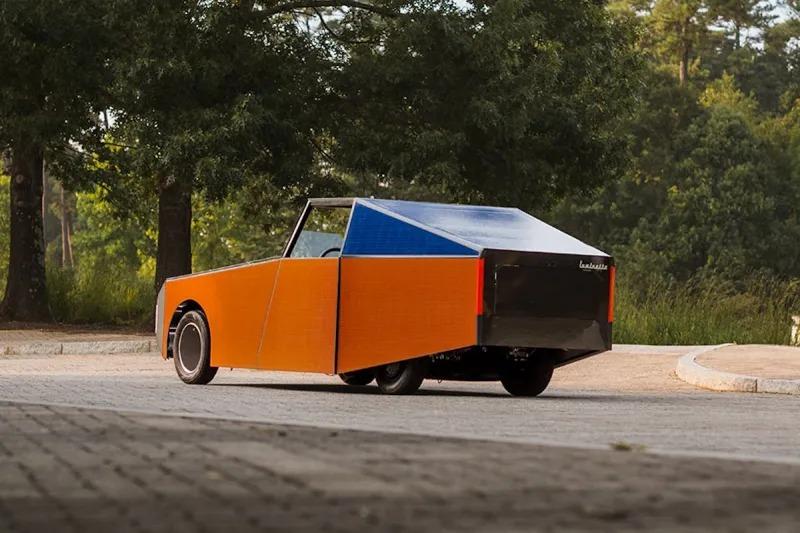
Graduate students at Clemson University have created an experimental solar-powered vehicle, dubbed Luminetta, that generates more electrical energy than it consumes during typical daily driving.
The Deep Orange 17 prototype was developed over two years at the university's automotive engineering department in South Carolina, with technical support from German automaker BMW. Weighing just 550 kilograms, the car generates up to 5.7 kilowatt-hours of electricity during a full day in direct sunlight.
According to calculations from the research team, a standard 20-kilometer daily trip requires only 1.6 kilowatt-hours of power. That leaves an energy surplus capable of providing roughly 50 kilometers of additional driving range each day.
Engineering and Solar Skin
To achieve its low weight, engineers designed a skeletal chassis linked by 3D-printed metal joints and covered with lightweight composite body panels. The total curb weight places the vehicle in the same class as minimalist track sports cars such as the Caterham 7 and Ariel Atom.
The vehicle features a specialized photovoltaic outer layer developed alongside the Fraunhofer Institute for Solar Energy Systems, a major solar research institute based in Germany. Instead of conventional rigid solar panels, the body is wrapped in a flexible, shadow-resistant solar skin.
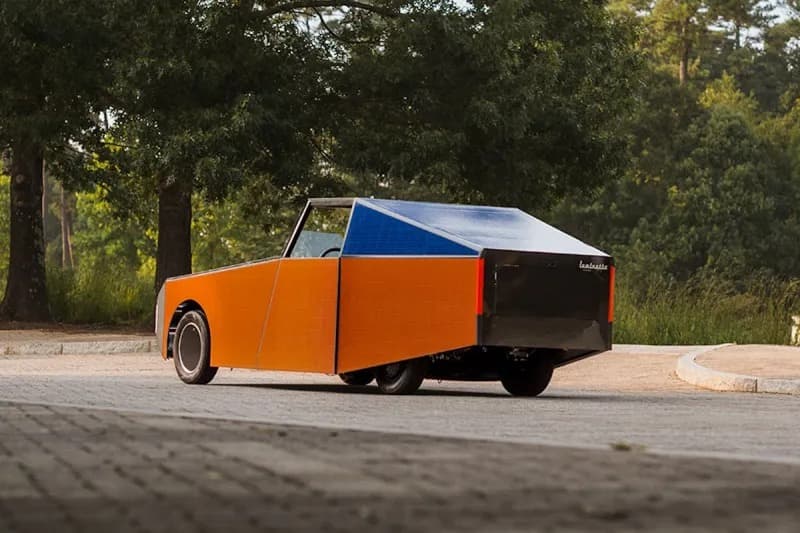
The angular design of the vehicle has drawn widespread attention for its unconventional appearance. Automotive journalists compared its blocky silhouette to structures built in the video game Minecraft, noting that even Tesla's stainless-steel Cybertruck appears organic beside it.
Testing and Practical Limits
Skeptics note that the vehicle's performance calculations depend heavily on ideal conditions. Maximum solar generation requires clear skies, open parking spaces, and complete freedom from shade cast by buildings or trees. The prototype also leaves open questions regarding occupant comfort and crash safety testing.
Designers emphasized that the Luminetta was never intended for commercial mass production. Instead, it serves as a radical engineering study exploring what happens when vehicle architecture prioritizes pure physics over traditional marketing, safety features, and aesthetics.
Stefan Augustin, project manager for research and new technologies at BMW, said the concept was a project the company had wanted to execute for years. He added that it was gratifying to see students overcome technical limits over a two-year period to build a working energy-positive vehicle.