


Lawyer David Jimenez has outlined how parents can legally leave a larger share of an inheritance to a child providing daily care.
Jimenez warned that without a customized will, assets are automatically divided equally among all descendants under standard inheritance law, leaving caregiving children with the exact same portion as siblings who did not assist.

The Madrid-based economist and inheritance lawyer explained that the division of an estate frequently creates friction within families when one sibling takes on sole responsibility for elderly parents. When a parent wishes to reward that ongoing dedication, following specific legal procedures is essential to ensure those wishes are respected.
According to Jimenez, failure to take formal legal steps means that claims by other family members for an equal split will prevail under statutory default rules, regardless of who provided care during the parent's final years.
Importance of a Customized Will
The first critical step identified by Jimenez is formalizing an estate plan tailored to the family's specific circumstances. He emphasized that opting for a generic template or failing to draft a will altogether results in all children inheriting equal portions.

To prevent a caregiving child from receiving the exact same share as siblings who provided no assistance, legal planning is mandatory. Jimenez noted that setting out clear, written instructions in a personalized document is the only legal mechanism available to override default equal distribution.
Distinguishing Disinheritance From Improvement
Jimenez stated that testators must understand the difference between two distinct legal mechanisms: disinheritance and the hereditary improvement portion. Choosing the wrong mechanism can create unnecessary legal hurdles or fail to achieve the intended result.
Disinheritance applies when a parent intends to leave a child nothing at all. Jimenez explained that this is a complex legal process that requires specific, legally validated grounds. Because of these strict requirements, disinheritance is rarely suitable when a parent simply wants to compensate continuous caregiving.

By contrast, the legal mechanism designed for compensating caregivers is the improvement share. Jimenez described improvement as the precise legal instrument that allows a testator to allocate a larger share of the estate to one co-heir over others.
Mechanisms for Benefiting Caregivers
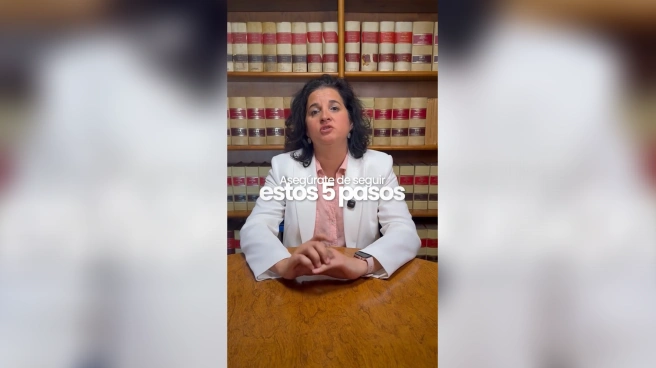
To put this financial protection into effect, Jimenez advised parents to execute a custom will that explicitly incorporates an improvement allocation favoring the caregiving child. By utilizing the one-third improvement share, known in Spanish law as the tercio de mejora, testators can legally guarantee fair treatment for their primary caregiver while preventing future family disputes.
Additional legal experts highlighted related inheritance considerations. Property lawyer Elisa T. Cardona advised that individuals inheriting real estate should immediately request a land registry extract to confirm ownership details and identify any existing encumbrances. Meanwhile, lawyer Nuria Ocana warned that provisions intending to favor a caregiver are invalid if contained in holographic, closed, or non-standard will formats.


