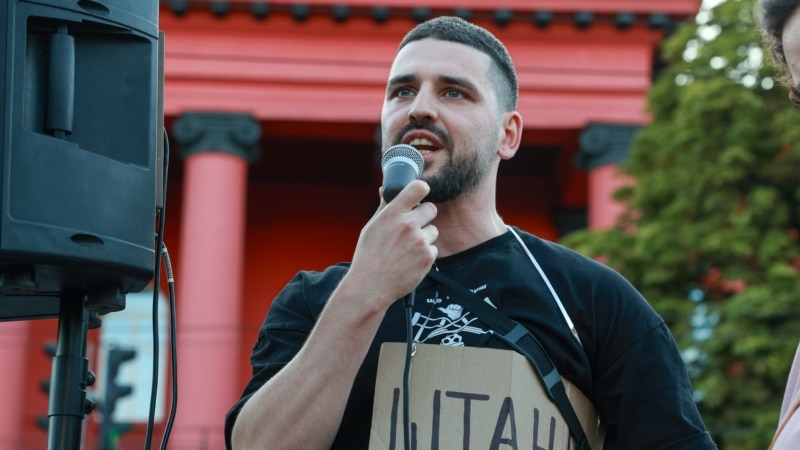
Ukrainian veteran and public activist Dmytro Koziatynskyi thanked protesters after nationwide demonstrations triggered by the removal of former Defence Minister Mykhailo Fedorov achieved key changes in military leadership.
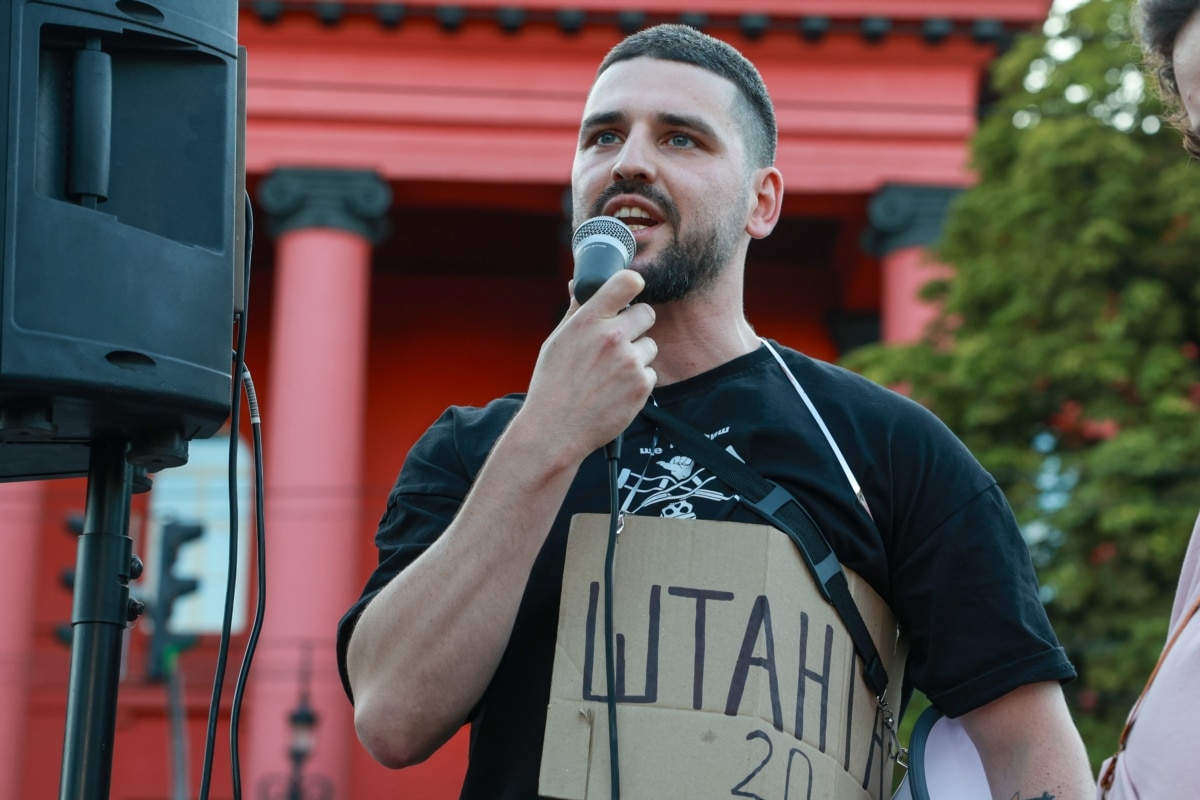
Writing on Facebook, Koziatynskyi stated that the public demonstrations were not in vain. He highlighted that protesters successfully secured the dismissal of Commander-in-Chief Oleksandr Syrskyi and the appointment of Mykhailo Drapatyi to replace him, an outcome he noted few expected a month earlier.
Protests began in Kyiv and other cities across Ukraine on July 16 following the dismissal of Fedorov. Demonstrators expanded their demands to call for the resignation of General Syrskyi, who was subsequently removed from his post and replaced by Drapatyi.
Parliamentary Action and Leadership Shift
The Ukrainian parliament, the Verkhovna Rada, voted on August 19 to approve Yevheniy Khmara as the new minister of defence of Ukraine. A total of 312 people's deputies voted in favour of Khmara's appointment to lead the defence ministry.
Koziatynskyi, a former combat medic with the Da Vinci Wolves battalion, was among the first figures in July to urge citizens to take to the streets. The Da Vinci Wolves battalion is a well-known Ukrainian military unit that has been actively deployed on the front lines.
Concerns Over Wartime Elections
Despite expressing satisfaction with the leadership changes, Koziatynskyi noted that authorities and society had failed to establish an effective dialogue. He stated that this complete absence of communication was the primary cause of the street protests.
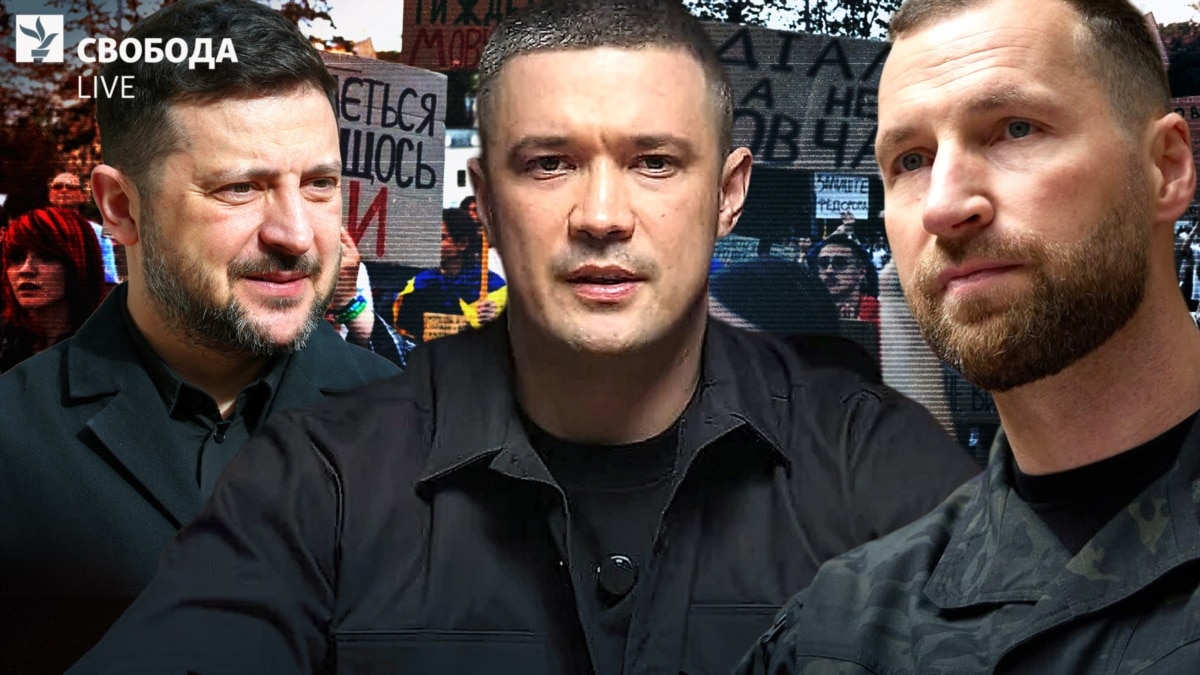
Koziatynskyi also voiced strong opposition to holding elections during the ongoing war, addressing a proposal raised by Fedorov the previous day. Fedorov had publicly declared the necessity of holding elections, sparking widespread discussion across political circles.
Expressing concern over the proposal, Koziatynskyi said he could not imagine how the state could technically enable thousands of soldiers currently serving on the front lines to vote or stand as candidates. He added that societal division during an election campaign frightened him and warned of its potential impact on the course of the war, concluding that street protests were not the appropriate venue for election discourse.