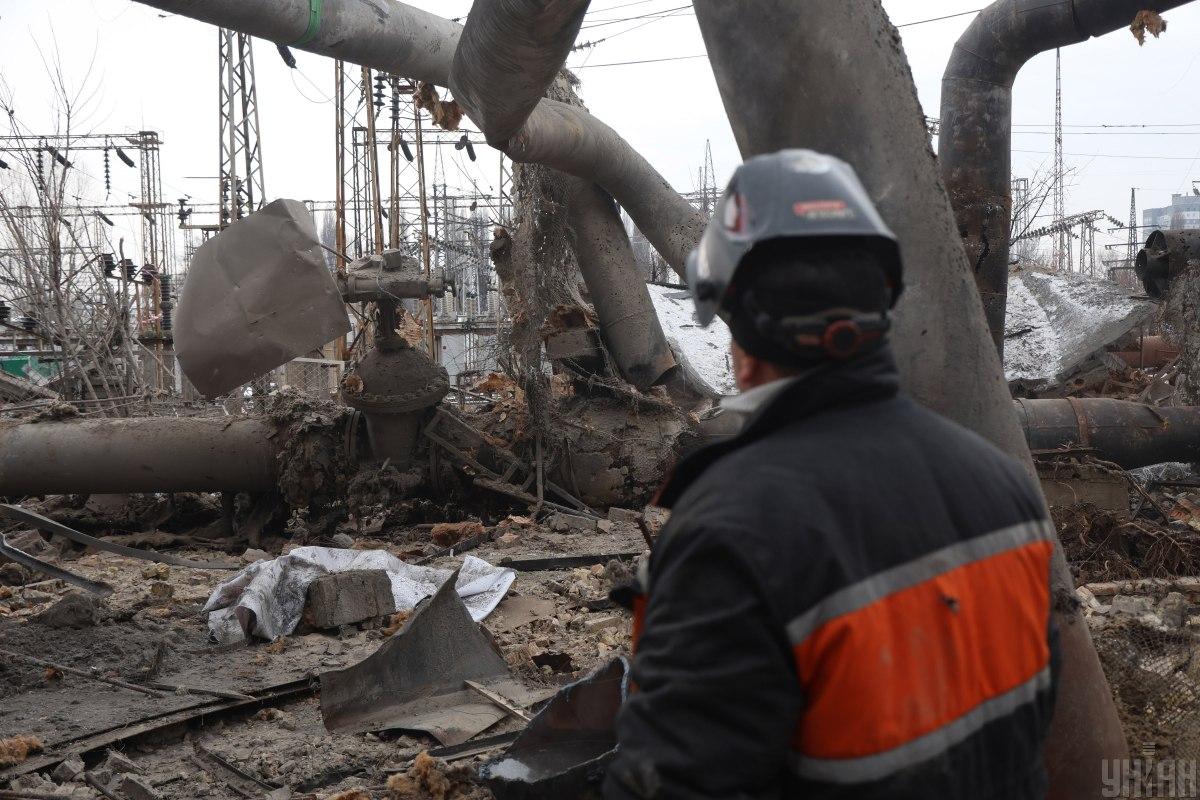

European Union natural gas reserves could drop to historic lows by the end of winter, the International Energy Agency warned on Tuesday, threatening a fresh supply crisis in 2027.
A report published by the Paris-based organisation stated that already constrained stockpiles across member states, combined with ongoing disruptions to energy supplies from the Middle East, will force countries to draw heavily on underground storage throughout the coming months.
The agency warned that European Union storage sites could conclude the 2026 to 2027 heating season with historically low volumes, warning that inventories risk falling below 10 percent of total capacity.
That drawdown would make refilling storage facilities during the summer of 2027 exceptionally difficult, according to the report. A steep decline in remaining fuel would substantially increase the quantities of gas that European buyers must secure and store ahead of the subsequent winter, prolonging tight supply conditions and raising the prospect of a new wave of price increases next year.
Futures markets signal supply alarm
European economies are already confronting natural gas prices hovering near their highest levels since the energy crisis that erupted four years ago. Although the continent is only at the beginning of its peak winter heating season, concerns over supply adequacy have already spilled over into derivative contracts for delivery in 2027.
Contracts for delivery in May 2027 are currently trading at higher prices than contracts for November 2027, reversing standard seasonal patterns where winter gas commands a premium over spring fuel. The price difference between those two benchmark contracts reached an all-time high in recent days as investors weighed the mounting risks.
Financial markets are pricing in the impact of ongoing hostilities in the Middle East alongside potential construction and commissioning delays for new energy production projects. The unprecedented spread reflects growing anxiety among traders that replacement shipments will remain scarce when European buyers enter the market in the spring of 2027 to rebuild exhausted stockpiles.
Role of European gas storage
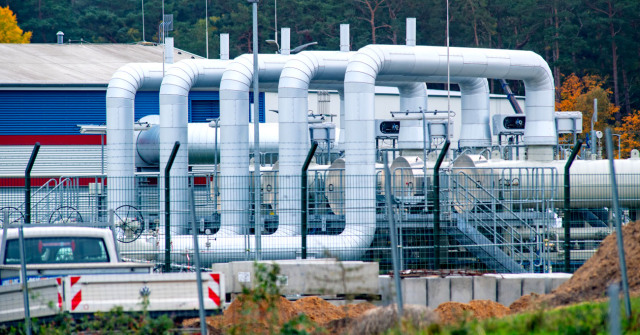
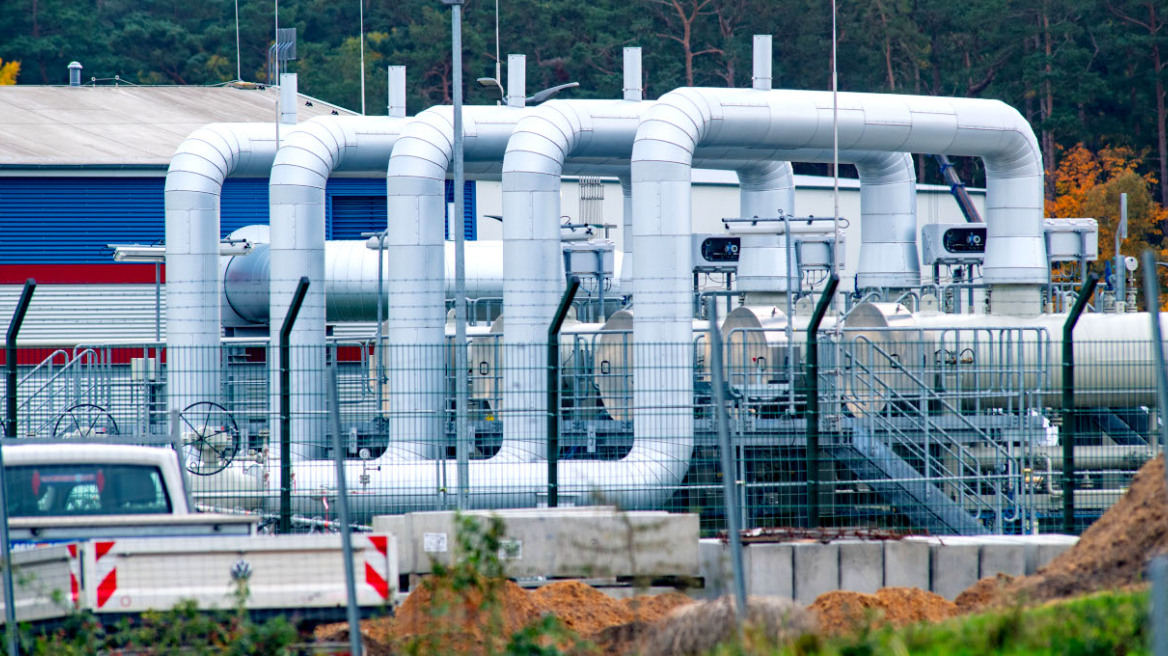
Underground gas storage facilities, which include depleted gas fields, aquifers, and excavated salt caverns, serve as Europe's central buffer against winter cold snaps and sudden supply disruptions. These sites allow utilities to inject surplus gas during periods of low summer demand and withdraw it rapidly when cold weather drives up space heating and power generation needs.
Following the energy shock that began four years ago, European authorities introduced strict storage regulations to prevent fuel shortages. Member countries are required to fill storage reservoirs to high targets before each winter begins, shielding households and industries from volatile global spot prices.
A drop below 10 percent would push European storage infrastructure close to its physical operational limits. When underground facilities reach very low pressure, the daily rate at which gas can be extracted declines sharply, leaving regional energy systems vulnerable to late-season freezes.
Import risks and global market pressures
Europe has become heavily dependent on seaborne cargoes of liquefied natural gas, or LNG, after sharply reducing pipeline imports following the 2022 market crisis. This reliance has linked European gas costs directly to global maritime shipping routes and geopolitical stability across major exporting nations.
The Middle East remains a vital exporter of liquefied natural gas, but regional hostilities have created persistent bottlenecks in maritime transit. Tankers diverting around conflict zones face extended voyage times, which ties up global carrier capacity and limits the flexibility of international supply chains.
The International Energy Agency, established in 1974 to help industrialised countries manage energy emergencies and secure reliable supplies, warned that these overlapping bottlenecks leave little margin for error. As reported by financial news outlet newmoney.gr, the agency concluded that without a stabilization in supply flows, the global natural gas market risks remaining under intense strain well into 2027.