Former soldier Richard Cassidy, who stabbed pensioner David Farish 14 times in the Scottish Borders, has died behind bars in Scotland aged 79.
Cassidy died on June 26 at HMP Shotts in North Lanarkshire. He was serving a 17-year prison sentence following a murder trial at the High Court in Glasgow in 2017.
The ex-soldier attacked 75-year-old Mr Farish at his home in February 2016 after being told that the pensioner had sexually abused a female friend when she was a child.

Military Background and the Attack
Cassidy had never met his victim until the day he killed him. He used techniques he had been taught by special forces to infiltrate terrorist cells in Northern Ireland in the 1980s to befriend Mr Farish.
Before the killing, Cassidy took Mr Farish to the shops twice to buy him cigarettes and alcohol. He then confronted the pensioner inside his home about the historical abuse allegations.
When confronted, Mr Farish reportedly told the ex-soldier that "the police could not prove anything to what happened to that b****." On hearing the response, Cassidy flipped and attacked him in what he described as a moment of madness.
Cassidy stabbed Mr Farish 14 times and slashed his throat. He then waited as the victim bled to death inside the house.
After the attack, Cassidy tidied up the crime scene and disposed of his bloodstained clothes and the knife. The weapon has never been found by police.

Abuse Allegations and Confession
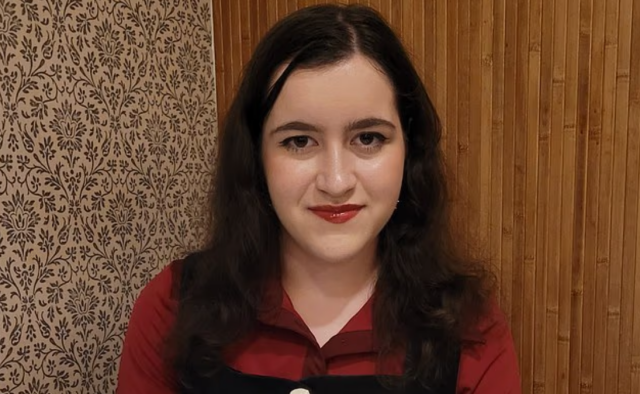
A 43-year-old woman told the court during the murder trial that she had been friends with Cassidy for a number of years. She confided in him that she had been regularly preyed upon from the age of seven, claiming Mr Farish once hit her so hard that he broke his hand.
Police had investigated the claims in 2006, but no charges were brought against Mr Farish. In February 2016, Cassidy decided to confront him directly.
The woman recalled being gobsmacked when Cassidy confessed to her that he was responsible for the killing. "He was really sad, I think because I have never seen a side like that in him," she told the court. "I could not believe what he was saying... that he was able to take a life. It was not his nature."
The woman drove Cassidy to the local police station, where he handed himself in. Although he phoned police and confessed to killing Mr Farish, he claimed throughout legal proceedings that his actions were culpable homicide, not murder.
While held on remand in prison, Cassidy sent letters to the woman stating there must have been a lot of "hatred and anger" in him to do what he did. He added that Mr Farish's "cocky" comment felt like an "admittance of guilt" that made him lose control. The woman said she did not intend to speak to Cassidy any more.

Court Trial and Sentences
Before standing trial at the High Court in Glasgow, Cassidy suffered a heart attack and a stroke while in custody on remand.
During the trial, defence QC Brian McConnachie said it was likely Cassidy would die in prison. "He had never been in trouble in his life before this incident," McConnachie told the court. "He lived a fulfilling life until what he describes as a moment of madness in February 2016."
Detective Inspector David Pinkney described the attack as a "heinous murder of a frail, elderly man in his own home." Presiding Judge Lord Summers described the murder as "a particularly brutal one" before sentencing Cassidy to 17 years in prison.
Prison Facilities and Scottish Legal Framework
HMP Shotts is a maximum-security prison located in North Lanarkshire, Scotland. Operated by the Scottish Prison Service, the facility holds long-term adult male prisoners serving sentences of four years or more.
The High Court of Justiciary is the supreme criminal court in Scotland. It deals with serious crimes such as murder and holds court sittings in cities across the country, including Glasgow and Edinburgh.
In Scots law, culpable homicide is a charge where an accused person has killed someone but lacks the full criminal intent required for murder, such as instances involving diminished responsibility or provocation.
Special forces operations in Northern Ireland during the 1980s took place during The Troubles, a period of conflict where specialized military units were deployed for covert surveillance and counter-terrorism operations.