


Spain's benchmark stock market index, the Ibex 35, fell 0.24% to close below 20,000 points amid a clear absence of market catalysts.
The downturn in Spanish equities reflected a widespread selling trend across European markets, while Wall Street experienced significantly steeper losses driven by sharp drops in technology stocks.
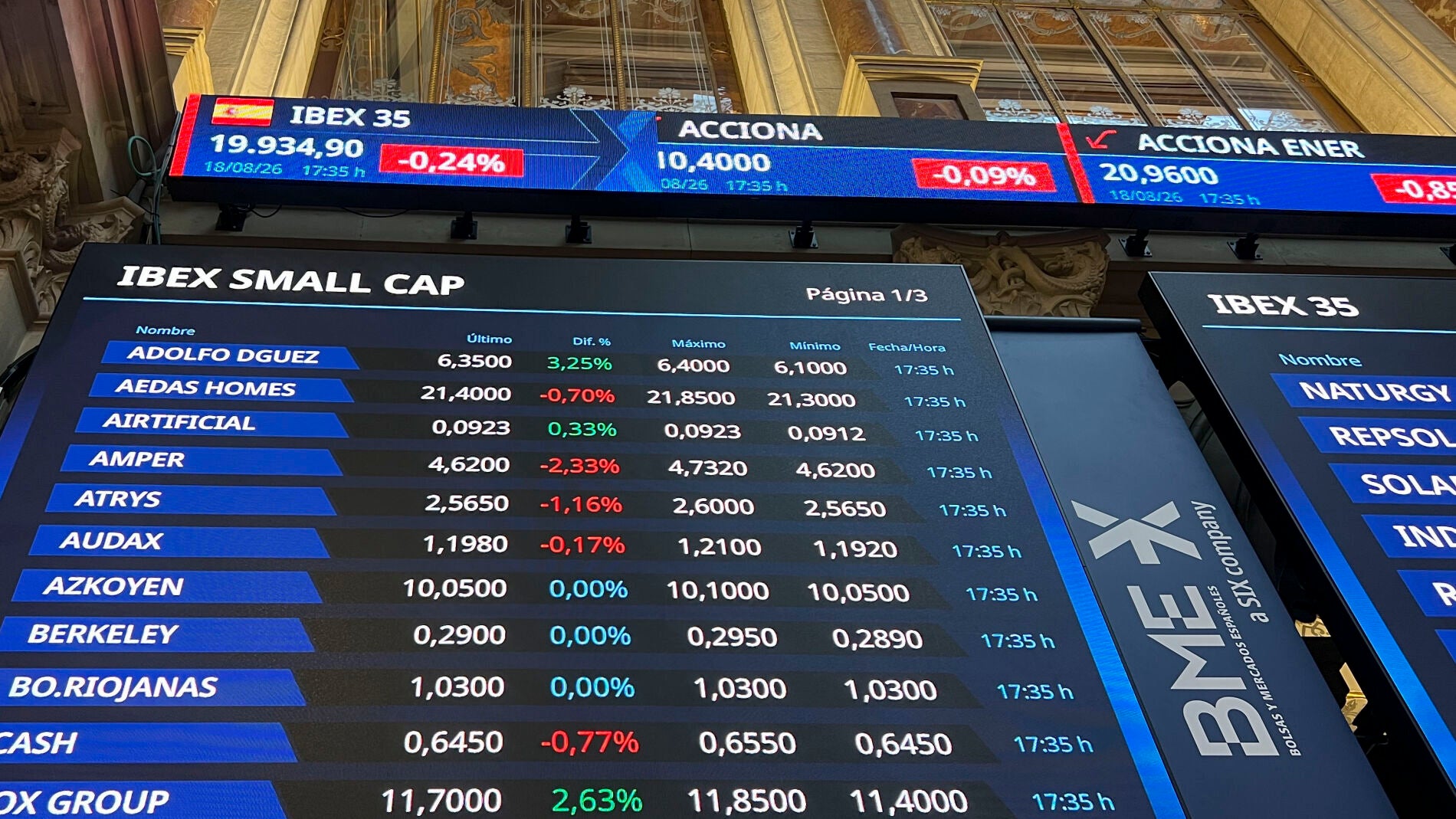
Energy supplier Naturgy led gains on the index, rising more than 2% following the launch of a new pilot plant designed to generate renewable gas from biomass and industrial waste. Solar power developer Solaria and oil major Repsol also traded in positive territory, with Repsol benefiting from higher crude prices.
In contrast, heavy losses in the steel sector dragged down the broader market. Steelmakers Acerinox and ArcelorMittal fell as rising energy costs pressured margins and investors engaged in profit-taking after recent price increases.
Index heavyweights also registered notable declines during the session. Airline group IAG and commercial lender Banco Santander both recorded losses exceeding 2%.
Wall Street and global bond market pressures
Across the Atlantic, US equities faced a sharp sell-off, with the tech-heavy Nasdaq 100 dropping more than 1 percentage point as sovereign bond yields surged. The yield on the US 30-year Treasury bond climbed to its highest level since 2007, driven by inflation fears, fiscal imbalances, and heavy corporate bond issuance related to artificial intelligence projects.
The fixed-income market tension quickly spilled over into Europe, pushing the yield on 30-year German government bonds to levels not seen since 2011. Financial markets displayed growing skepticism over public debt sustainability and rising corporate leverage across the technology sector.
A steepening yield curve indicated that investors were pricing in a prolonged period of elevated price inflation rather than economic expansion derived from artificial intelligence.
Commodities and currency movements
In commodity trading, Brent crude oil consolidated above $90 per barrel. The benchmark oil price has averaged 2% higher in August compared to July, threatening to exacerbate global inflationary pressures.
Amid the broader risk-off sentiment, safe-haven precious metals gold and silver both traded lower. Meanwhile, the US dollar failed to capitalize on the rally in energy assets.
The Ibex 35 is Spain's principal stock index, tracking the 35 most liquid companies traded on the Bolsa de Madrid. European stock markets remain closely tied to international bond yields and crude oil prices, which heavily influence corporate earnings and central bank monetary policies.


