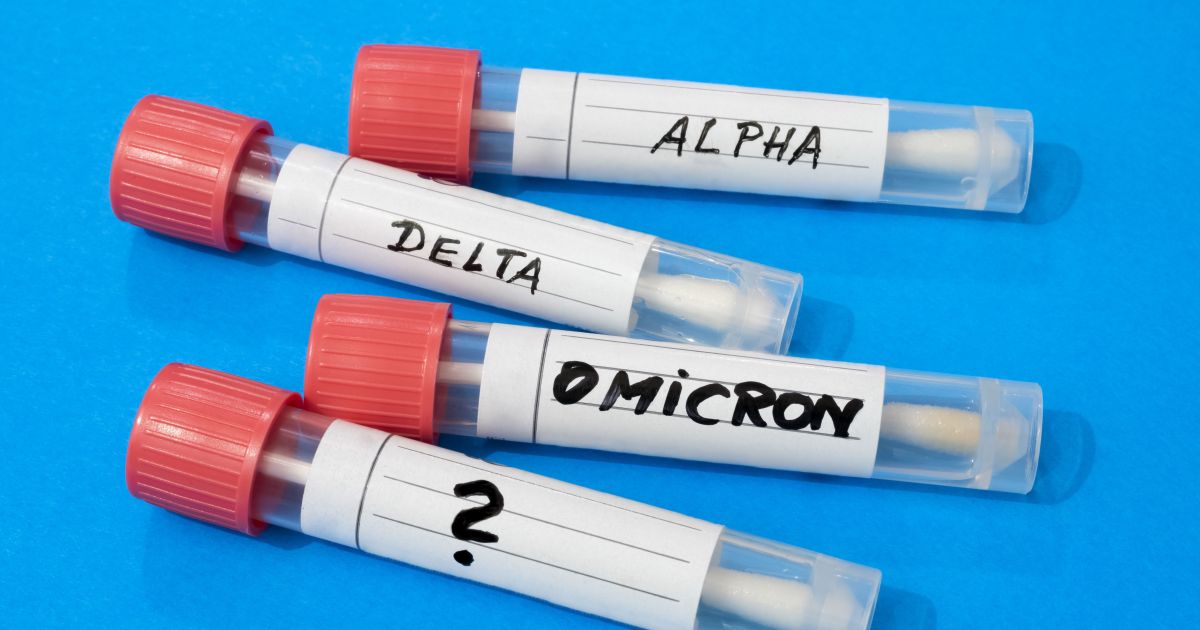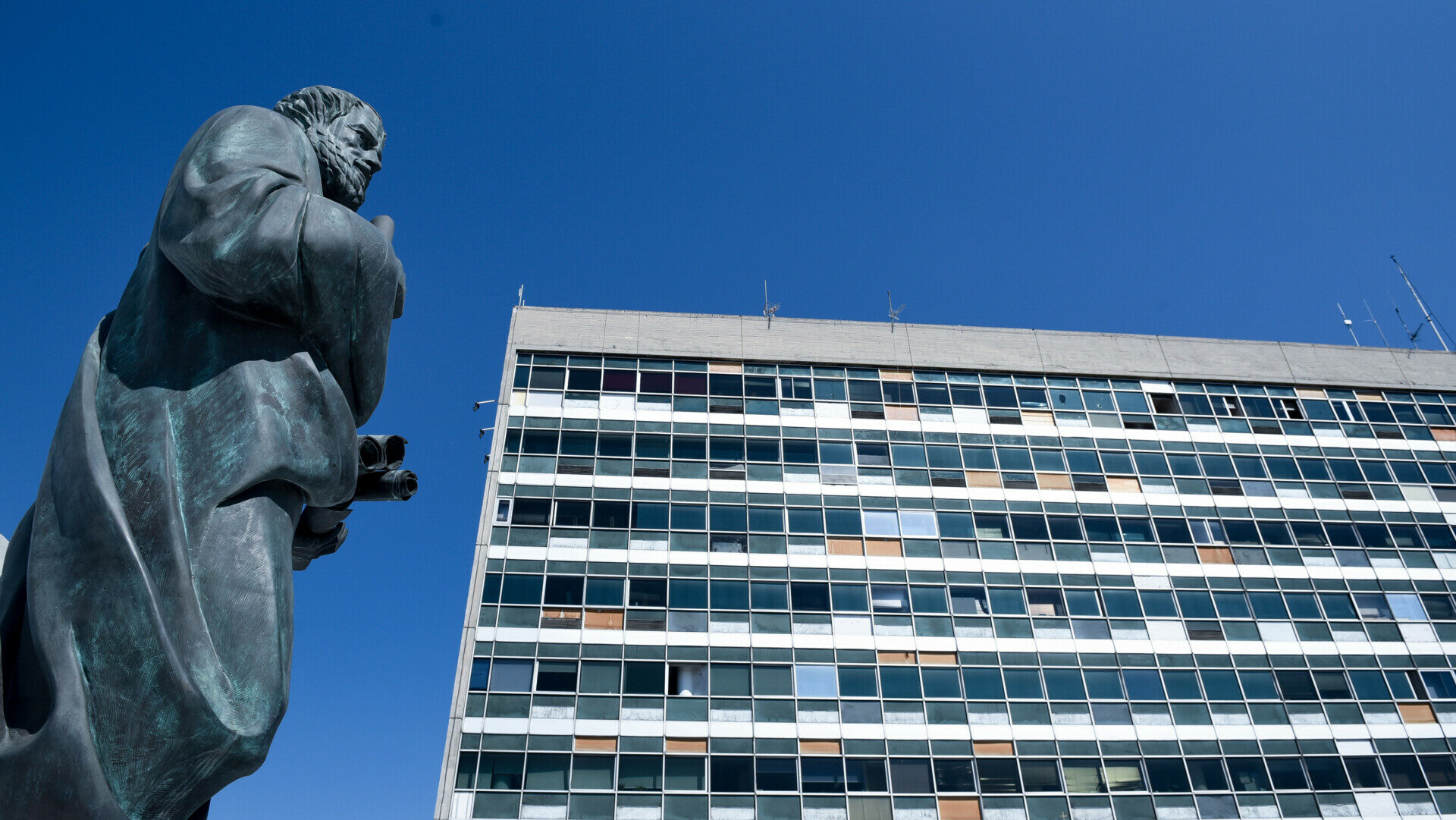
The iGEM Thessaloniki student team from the Aristotle University of Thessaloniki has won a gold medal in Paris for a new lung cancer research proposal.
The team earned the distinction at the iGEM Competition 2026, the world synthetic biology contest held in the French capital from 13 to 16 November with more than 400 research teams from around the globe, according to the Athens-Macedonian News Agency.
Their project, named AETh3R, presents an experimental method to combat lung cancer by removing specific proteins that help malignant cells grow and multiply.
Originally launched at the Massachusetts Institute of Technology and now run by an independent international foundation, the annual International Genetically Engineered Machine competition challenges university and student groups to build engineered biological systems that solve complex problems in healthcare, industry and the environment.
The AETh3R lung cancer project
The AETh3R proposal focuses on non-small cell lung cancer, which is the most common form of the disease. Clinicians divide lung cancer into two main categories based on how the cells appear under a microscope, and non-small cell cases account for the vast majority of diagnoses worldwide.
Conventional targeted cancer drugs typically work by inhibiting disease-causing proteins, attaching to them to block their activity temporarily. The central idea behind the Thessaloniki team's synthetic biology approach is to go beyond inhibition and physically clear those harmful proteins out of the cancer cells.
To achieve this, the students used PROTAC technology, short for proteolysis-targeting chimeras. These specially engineered two-headed molecules recognise specific proteins inside a cell and direct them to the body's natural degradation machinery, where the unwanted proteins are broken down and eliminated.
Target proteins KRAS and MDM2
The research proposal targets two specific proteins, KRAS and MDM2, both of which play a major role in the development and survival of several forms of cancer.
In healthy cells, KRAS acts as a molecular switch that regulates cell division. However, specific mutations in the KRAS protein lock that switch into an active state, sending continuous signals that drive cancer cells to multiply uncontrollably.
The second target, MDM2, interferes with the body's natural defences against tumours. MDM2 restricts the action of the p53 protein, a crucial tumour suppressor that serves as a built-in protective mechanism by halting the growth of cells with damaged DNA.
The students designed two distinct PROTAC molecules, each tailored to recognise one of the two proteins. By degrading both targets at the same time, the system aims to cut off the signals driving cancer cell proliferation while restoring the protective activity of p53.
Lipid nanoparticle delivery to the lungs
Transporting the therapeutic molecules safely inside cancer cells is an equally vital component of the blueprint. Large or fragile molecules often break down in the bloodstream before they can reach a tumour inside an organ.
To overcome this hurdle, the team proposes encapsulating the molecules inside lipid nanoparticles. These microscopic, fat-based carriers protect their cargo during transit and deliver it across cell membranes, a delivery method widely used in modern messenger RNA vaccines and experimental oncology treatments.
The team's design also incorporates targeting mechanisms to steer the nanoparticles directly toward lung tissue and recognise cancerous cells upon arrival.
The proposal remains at an early research stage and does not constitute a ready clinical treatment. Its effectiveness and safety will have to be investigated through further studies before any potential application in patients is considered.
Team members and medal record since 2017
Founded in 1925 in northern Greece, the Aristotle University of Thessaloniki is the largest university in the country. Its iGEM Thessaloniki team has taken part in the international competition since 2017, winning gold medals in 2017, 2019, 2025 and 2026, alongside silver distinctions in 2018, 2022, 2023 and 2024.
The 2026 roster consists of eight undergraduate students drawn from four university departments and one postgraduate student enrolled in the Interdepartmental Postgraduate Programme in Biomedical Engineering.
The School of Medicine was represented by Erriketti-Theodora Moumka, Ilias-Evangelos Theocharous, Taxiarchis Kosmas and Anna Filindri. They were joined by Margarita Papastergiou from the Department of Biology, Dimitrios Kouknakos and Iro-Foteini Papazachou from the Department of Electrical and Computer Engineering, Eirini-Melita Lampropoulou from the Department of Agriculture, and postgraduate biomedical engineering student Alexandros Vlachos.
Professor Michail Aivaliotis of the School of Medicine served as the team's scientific supervisor for the sixth year. He also coordinates the interdisciplinary Functional Proteomics and Systems Biology group, known as FunPATh, at the university's Center for Interdisciplinary Research and Innovation. Doctoral researchers Konstantina Psatha and Stefania Maniatsi from the School of Medicine also guided the team.
What happens next
Further studies must investigate the effectiveness and safety of the early-stage AETh3R research proposal before any potential application in patients is considered.
Test yourself
Which two proteins does the AETh3R project target for removal from lung cancer cells?
How does the team propose delivering the PROTAC molecules into lung cancer cells?
How many gold medals has the iGEM Thessaloniki team won since it began competing in 2017?
Where it happened
Thessaloniki, Greece