

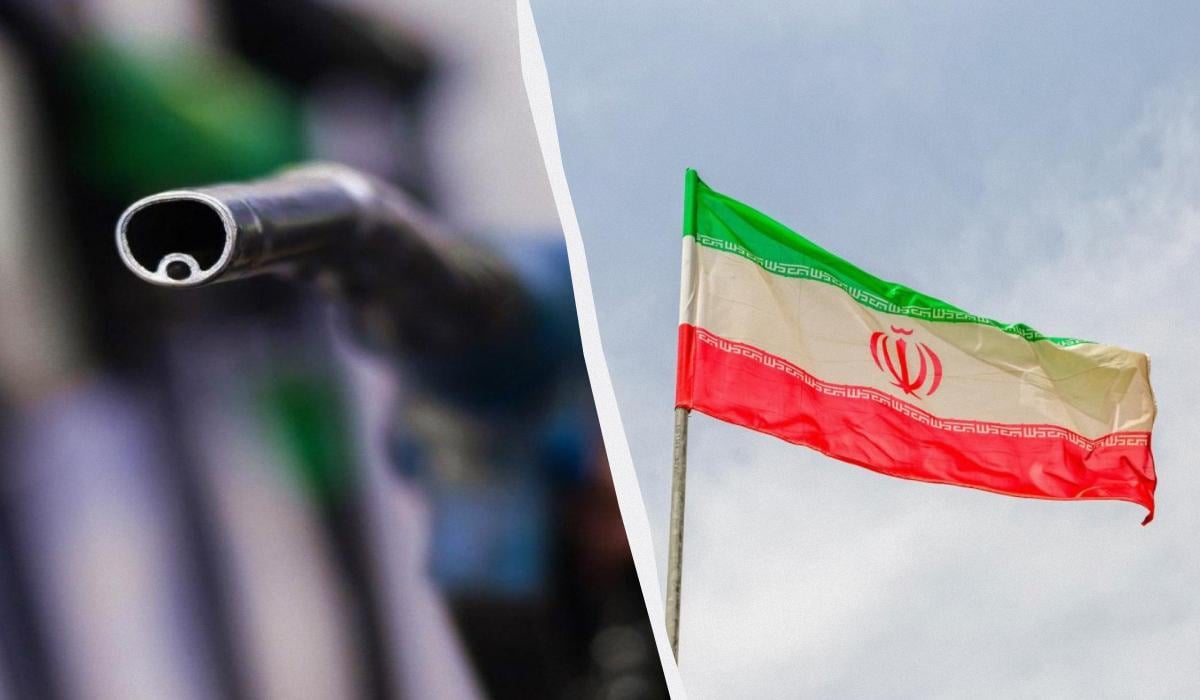
Long queues have formed at petrol stations across Tehran as Iran suffers a widespread fuel crisis triggered by a United States naval blockade.
Panic buying has taken hold in the capital after the administration of US President Donald Trump announced a new campaign of economic warfare against Tehran, according to a report by the Financial Times. Motorists have flooded filling stations across the city, worsening severe fuel shortages caused by military actions and trade restrictions.
Iran currently faces a daily deficit of 15 million litres of petrol, with total national demand reaching 135 million litres per day, according to the Energy Consumption Optimization Organization. The Iranian state body responsible for managing fuel resources described the national supply deficit as critical.
Drivers in Tehran face a strict purchase limit of 20 litres per vehicle, forcing motorists to return repeatedly to fuel stations. A petrol station worker in the capital said drivers are rushing to refuel before their tanks run empty out of fear that military conflict could resume or prices could spike.
Iran is a major oil-exporting nation in the Middle East, but it has long relied on foreign petrol imports to offset shortfalls in domestic refining capacity. The country of 90 million people has historically provided heavy state fuel subsidies, keeping domestic petrol prices among the cheapest in the world.
A naval blockade imposed by the United States on July 14 has severely restricted Iran's ability to purchase fuel overseas. Supply pressures were further compounded earlier in the conflict when joint American and Israeli air strikes destroyed a portion of the country's oil refining capacity.
Fuel import routes and price pressures
Attempts to import petrol through northern trade routes have also encountered major obstacles. Supply disruptions caused by the war in Ukraine and Russia's loss of a significant portion of its oil refining capacity have limited alternative fuel deliveries into Iran.
Iranian drivers currently pay between 15,000 Iranian rials ($0.0075) and 50,000 rials per litre for petrol. Iranian officials said the subsidy framework has worsened the shortage, with the government warning that current quota systems are no longer sustainable alongside rapid inflation and war-related supply disruptions.
Iranian President Masoud Pezeshkian said earlier this month that selling petrol below market prices puts immense pressure on state resources needed to subsidise food and support workers. On August 24, Pezeshkian's chief of staff, Mohsen Haji-Mirzaei, stated that the government intends to reduce fuel quotas, adding that citizens may have to pay higher prices for fuel consumed beyond their allocated limits, although no final decision on pricing has been reached.
Economic collapse and wartime resilience
The prospect of fuel price increases is a highly sensitive issue for a public struggling with record losses in purchasing power. The Iranian rial recently dropped to a record low of 2 million rials to the US dollar, while annual inflation has approached 90 per cent and food inflation stands at around 130 per cent.
The Iranian government is expected to continue taking short-term measures to secure fuel supplies while attempting to expand public transport, domestic vehicle manufacturing, and oil refining infrastructure over the longer term.
The conflict with the United States has intensified pressure on Iran's fragile economy, heightening public fears of steep price increases and rising unemployment. However, experts cited by Foreign Policy said Tehran retains the financial resources and mechanisms to bypass sanctions and fund its military operations despite severe economic hardship.


