Spanish trade unions CCOO and UGT have agreed to propose a 24-hour general strike across Spain this autumn to demand fair wages and affordable housing.
Union leaders have not yet fixed a specific calendar date for the national stoppage, which remains subject to formal ratification by the governing bodies of both organizations.
The planned action aims to unite labor demands for higher pay with growing social calls for affordable housing across the country.
Union Coalition for Housing and Wage Demands
Both Comisiones Obreras (CCOO) and the Unión General de Trabajadores (UGT) plan to build a broad social coalition ahead of the strike. They intend to bring in outside social organizations, including the Tenants Union (Sindicato de Inquilinas), to connect wage negotiations with housing rights.
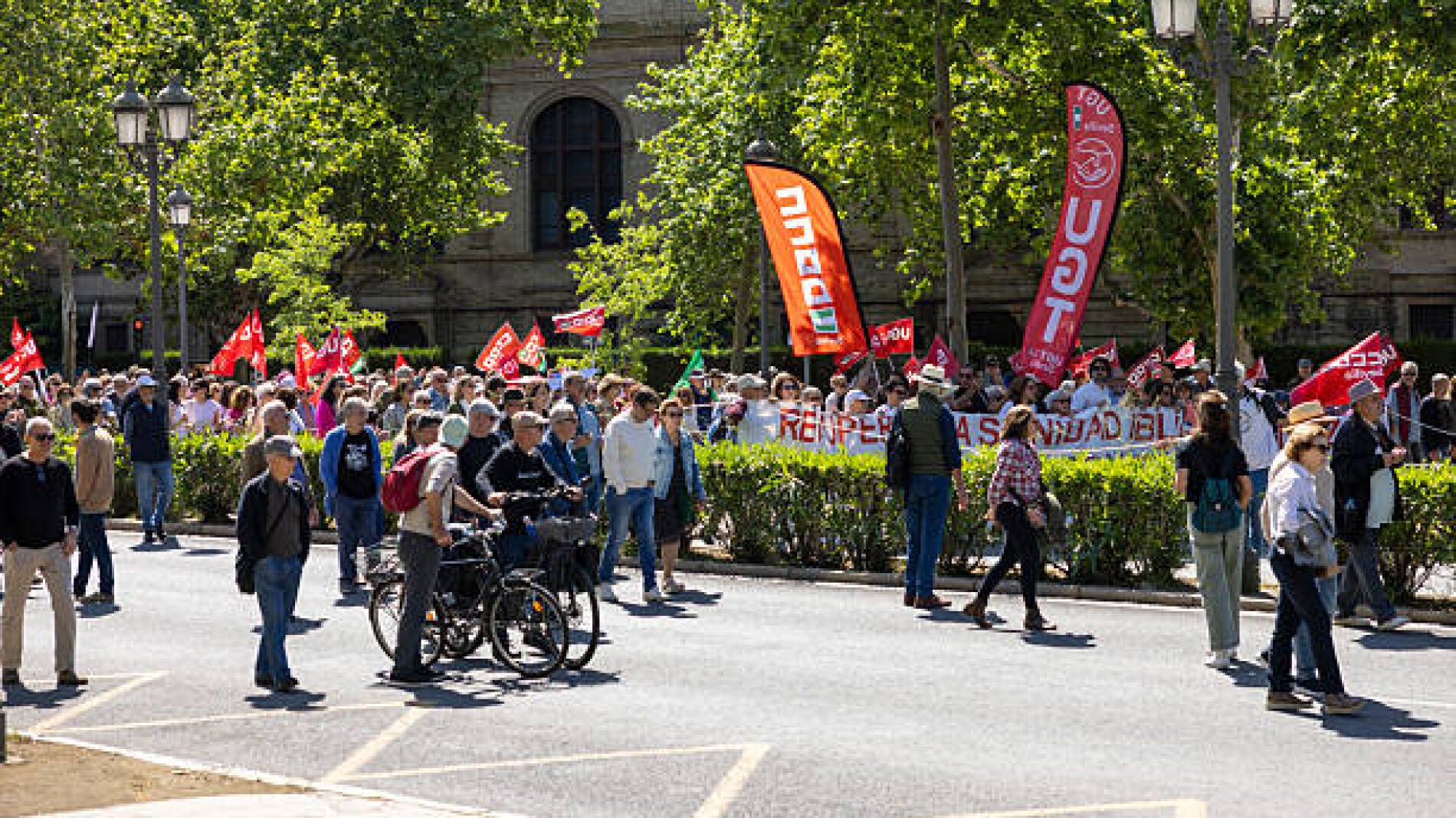
UGT representatives said recent public demonstrations demonstrated the strength of citizen demand for living wages and accessible housing, adding that a collective response must be built together by all supporting organizations.
Legal Framework for Spanish Strike Deductions
As Spanish workers consider participating in the potential stoppage, the financial impact on monthly paychecks remains a central concern. Under Spanish law, participating in a lawful general strike suspends an employee's work contract for the duration of the action.
The legal consequences of industrial action are defined in Royal Decree-Law 17/1977, which regulates the right to strike in Spain. Article 6.2 of the decree explicitly states that an employment contract is considered suspended during a strike, and workers have no right to receive salary for hours or days not worked.
How Payroll Deductions Are Calculated
Payroll deductions apply proportionally to base salary as well as associated compensation linked to the period of absence. This includes proportionate reductions to extra annual bonus payments, known as pagas extra, and paid weekly rest periods.
For employees working a standard five-day weekly schedule, payroll software applies a standard corrective factor of 1.4. This formula deducts the daily wage for the strike day plus an additional 40 percent reflecting the proportional loss of paid weekend rest.
The exact reduction varies according to each worker's individual salary and contractual conditions, meaning the net economic impact differs from employee to employee across the workforce.
Social Security and Statutory Worker Protections
Contract suspension during a strike also affects employer contributions to Spain's public Social Security system. Employers stop making mandatory Social Security contributions for the days an employee participates in the stoppage.
Despite the financial loss, workers participating in a legal strike enjoy statutory protection under Spanish employment law. Companies are legally prohibited from disciplining, penalizing, or retaliating against any employee for exercising their right to strike.
Background on Spanish Labor Unions and Regulations
CCOO and UGT represent the two largest trade union federations in Spain, holding significant influence over collective bargaining agreements and national labor policy. Royal Decree-Law 17/1977 was enacted during Spain's political transition to democracy, establishing the fundamental statutory boundaries governing labor disputes.
In Spain, employment contracts typically structure annual compensation across 14 payments per year, comprising 12 monthly salaries alongside mandatory summer and Christmas bonuses. Strike deductions proportionally reduce these extra payments alongside base earnings.
Next Steps for the National Stoppage
The proposed 24-hour general strike must now pass formal voting within the internal executive councils of both CCOO and UGT before official notice is filed. Once ratified, union leaders will announce the exact date for the autumn mobilization while finalizing coordination with tenant groups and social movements.