

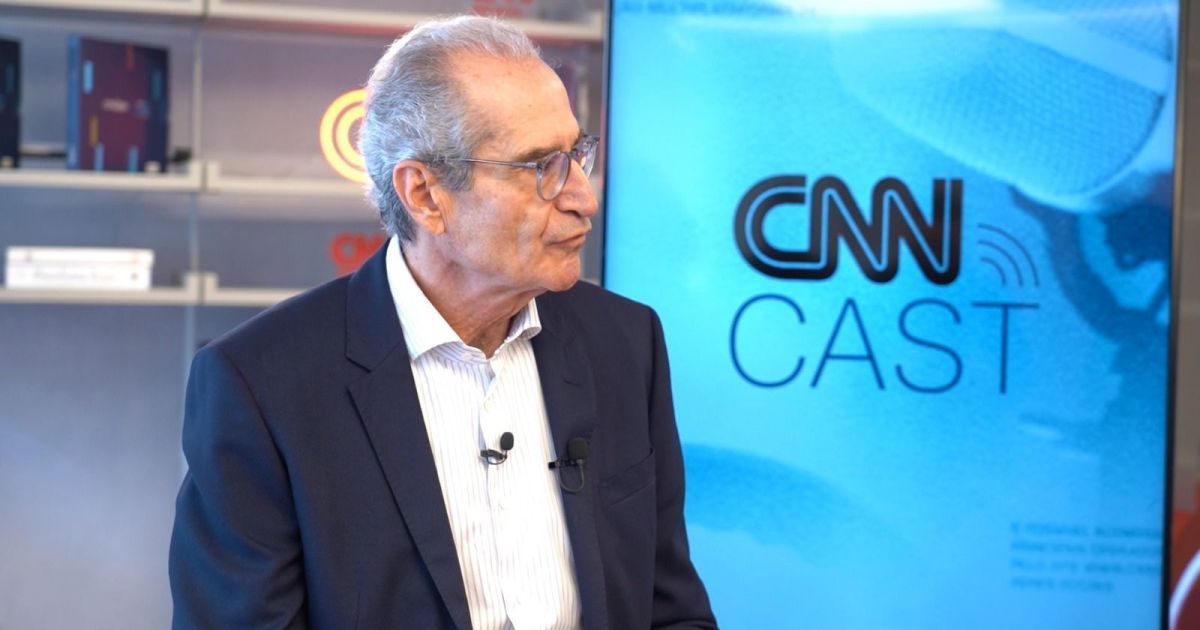
Brazilian investment holding company Itaúsa is prioritizing resilient infrastructure assets to balance its portfolio, Board of Directors Chairman Raul Calfat announced on CNN Brasil.
Speaking during the group's annual meeting, Calfat explained that while infrastructure investments require high capital commitments, the sector offers long-term cash flow predictability that balances volatility in consumer markets.
The Sao Paulo-based conglomerate has undertaken a strategic transformation over recent years, shifting from a traditional passive holding company into an active portfolio manager with major stakes in financial services, sanitation, infrastructure, and consumer goods.
Strategic portfolio diversification
Calfat stated that Itaú Unibanco remains the principal asset and primary financial driver within the Itaúsa portfolio. However, executive leadership has deliberately structured non-banking investments to balance contrasting risk and return profiles.
Consumer goods companies within the portfolio are highly sensitive to macroeconomic oscillations, meaning economic cycles can either hurt or boost their earnings. By contrast, infrastructure assets provide steady, contracted demand that anchors the group during economic downturns.
Calfat emphasized that building this balanced portfolio mix was a deliberate process guided by strict internal criteria for financial resilience and long-term capital growth.
Historically centered on banking operations, holding companies often diversify into physical infrastructure to generate stable dividend streams. In emerging markets like Brazil, long-term utility concessions offer defensive revenue profiles that complement the cyclical performance of commercial lending and retail sales.
Regulatory targets driving sanitation investments
To illustrate the defensive qualities of infrastructure investments, Calfat highlighted Itaúsa's commitments in the basic sanitation sector, where investee utility companies operate under strict regulatory mandates.
Under targets established by Brazil's national regulatory framework, sanitation providers must reach universal coverage goals by the end of 2033. These statutory benchmarks require operators to deliver potable water access to 99 percent of the population and treated sewage services to 90 percent.
Calfat noted that fulfilling these mandated targets ensures guaranteed contracted demand for investee companies over the next decade, securing reliable long-term revenues despite short-term economic shifts.
Brazil's federal basic sanitation framework was enacted in 2020 to attract private capital into municipal water supply and wastewater management. The legislation established binding legal requirements for service coverage by 2033, driving significant private investment and concession auctions across Brazilian municipalities.
Active corporate governance and risk modeling
In most of its portfolio holdings, Itaúsa operates as a minority partner. Calfat explained that the company chooses solid, successful controlling partners while providing institutional expertise in corporate governance, compliance, strategic planning, and commercial vision.
These rights are formally established through shareholders' agreements that secure Itaúsa's representation on boards of directors and advisory committees. However, Calfat stated that Itaúsa representatives routinely exceed their formal contractual obligations by leading key board committees and taking on expanded responsibilities across portfolio companies.
To guide investment decisions, Itaúsa recently instituted a sophisticated risk-return analysis model. The system uses a chart plotting profitability against risk metrics for each enterprise, allowing the holding company to evaluate how potential investments affect the consolidated portfolio.
Calfat pointed out that while many investment firms evaluate projects solely on projected financial returns, Itaúsa devotes equal attention to analyzing underlying risks. This analytical method recently led Itaúsa to expand its equity stake in an existing portfolio business rather than acquiring a company in a new sector, as the risk-return profile of the existing holding was more favorable.
Future investment pipeline and board governance
Looking ahead, Calfat confirmed that Itaúsa maintains an active pipeline of potential investment opportunities under continuous review.
The company is monitoring potential macroeconomic changes and stands ready to execute investments when market conditions align, Calfat said. He did not specify which corporate sectors or asset classes are currently under evaluation.
Calfat also detailed internal governance practices at Itaúsa, noting that 50 percent of all board meeting time is dedicated strictly to strategic discussions regarding portfolio companies. At every regular session, the board invites a senior representative from one of its investee businesses to participate.
Furthermore, Itaúsa's strategy committee convenes one week before full board meetings to prepare directors for upcoming agenda items. Calfat added that if an executive chief executive officer fails to bring up a specific strategic topic during discussions, board members actively raise and evaluate the issue themselves.


