

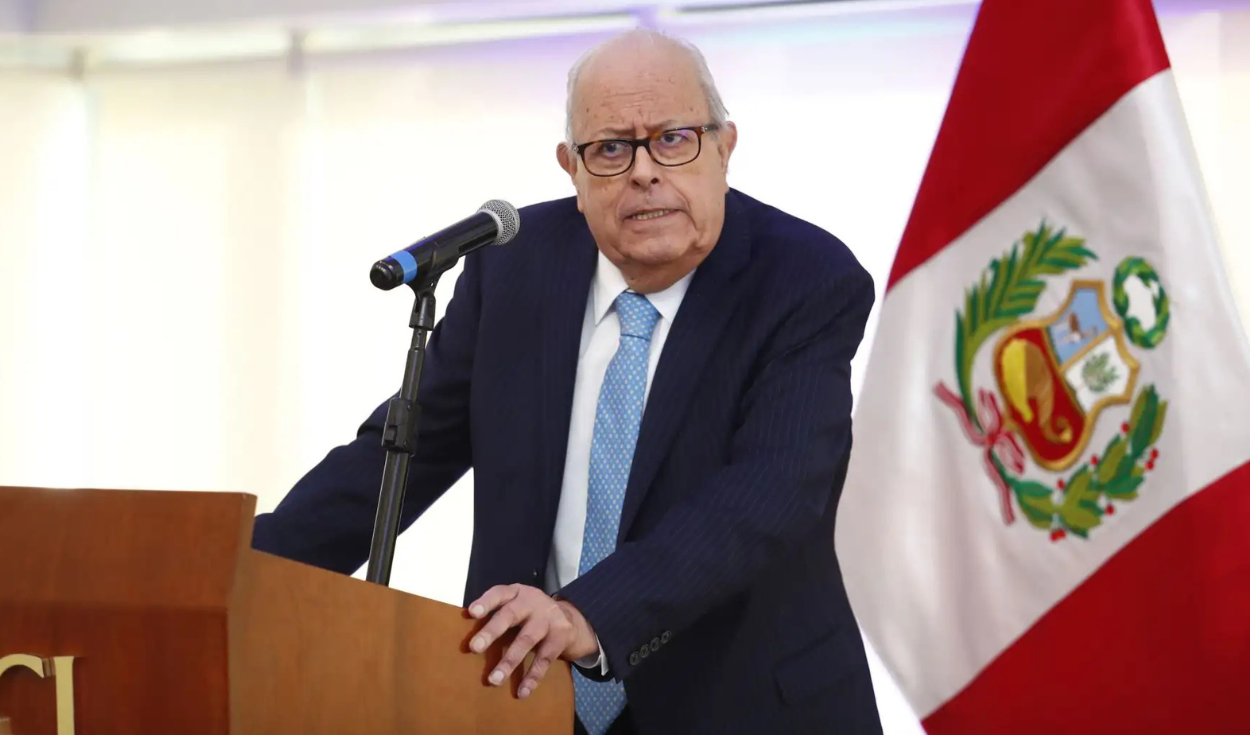
Julio Velarde, the president of the Banco Central de Reserva del Perú, appeared before the Special Procedures Commission of the Senate of Peru on Wednesday to begin formal parliamentary proceedings for his confirmation to a new five-year term leading the central bank.
The legislative committee has set a deadline of September 9 to vote on an official report that will recommend whether the full Senate should ratify or reject his appointment for the 2026 to 2031 mandate.
The proceedings follow the formal nomination of Velarde by the Executive Branch through Supreme Resolution No. 258-2026-PCM, which was published on August 21. Under Peruvian parliamentary procedures, the committee session on Wednesday was an initial evaluation step rather than a final confirmation.
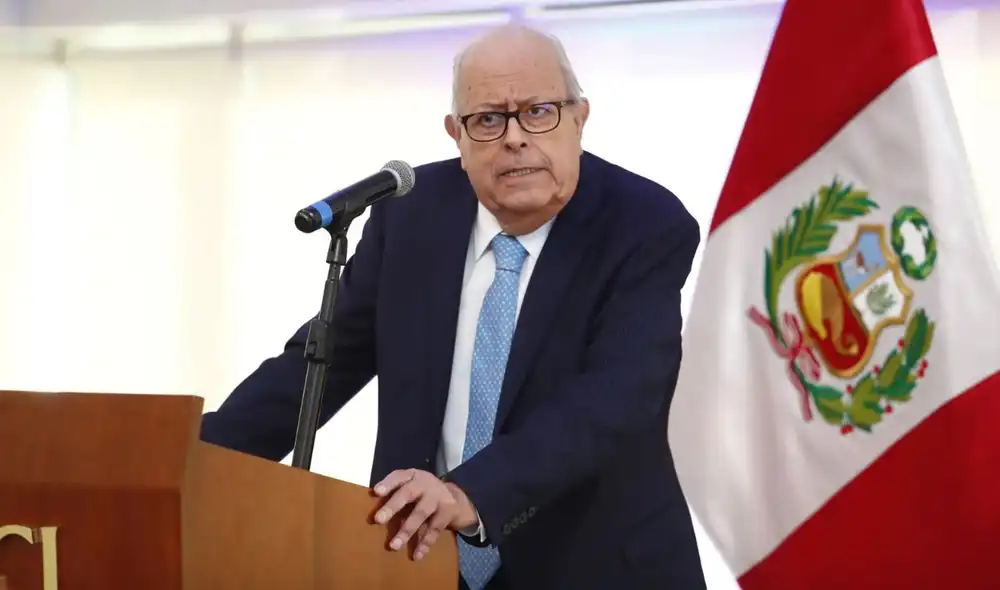
Once the committee approves its evaluation report, the document will be sent to the Board of Spokespersons to be placed on the agenda of the Senate Plenary. The full chamber will then vote on his continuity, which requires approval from more than half of the legal number of senators to confirm Velarde in office.
Legislative Evaluation and Leadership Record
Velarde has served as president of Peru's central bank since 2006, having been ratified for successive terms across multiple presidential administrations over the past two decades. The Banco Central de Reserva del Perú functions as the nation's independent monetary authority, responsible for preserving currency stability and managing inflation in the South American country.
Addressing lawmakers regarding the relationship between his personal leadership and public trust in the financial system, Velarde emphasized the institutional foundation of the central bank. He told committee members that stability rested with the institution itself rather than with any single person.
Exchange Rate Policy and Foreign Exchange Operations
During the evaluation session, senators questioned Velarde on the central bank's foreign exchange interventions and the movement of the United States dollar against the Peruvian sol. Velarde explained that the central bank does not intervene in the market to establish a specific price level for the dollar.
He stated that the monetary authority acts only to prevent sharp and erratic currency movements that could harm the broader economy. He clarified to the panel that the central bank was not seeking a particular exchange rate target.
Central bank interventions are frequently interpreted as efforts to sustain a fixed exchange rate, but Peru's monetary framework allows the currency to float based on market conditions while dampening excessive volatility. The Peruvian sol has experienced a relatively favorable market environment throughout 2026. Velarde had previously noted in June that dollar trends cannot be predicted reliably because they depend on both domestic conditions and external factors, including monetary policy decisions by the United States Federal Reserve.
International Reserves and Public Spending Rules
Lawmakers also examined the role of international reserves managed by the central bank. Velarde rejected proposals to treat reserve assets as government funds that could be allocated freely toward public works, public spending, or state budget needs.
He explained that international reserves safeguard the country's external financial standing and allow the central bank to respond effectively during episodes of market volatility or currency pressure. A portion of the reserves managed by the central bank covers financial system liabilities and banking operations, distinguishing them legally and functionally from Public Treasury funds.
The distinction remains critical as lawmakers debate alternative methods to finance public infrastructure. Central bank officials maintain that evaluating reserve usage requires respecting the core duties of the monetary authority and preserving its independence.
Interest Rate Caps and Credit Access Risks
Velarde reiterated his long-standing criticism of mandatory legal caps on commercial interest rates, arguing that capping interest rates by law does not guarantee lower borrowing costs for consumers.
Financial institutions calculate interest rates based primarily on credit risk and borrower repayment probabilities. When legal caps prevent lenders from charging a rate that covers that risk, institutions choose to deny loans altogether rather than lower their rates.
This outcome disproportionately affects individuals and small business owners who have limited financial histories. Velarde warned lawmakers that interest rate ceilings risk excluding vulnerable borrowers from the formal banking system and driving them toward unregulated informal credit markets.
Senate Committee Support and Board Renewal Schedule
Several members of the Special Procedures Commission expressed support for Velarde during the hearing. Commission Secretary Martha Moyano declared her backing for his ratification, while Senator Alfonso López Chau expressed satisfaction with Velarde's management record.
Commission Vice President Absalón Vásquez highlighted the international prestige achieved by the central bank under Velarde's leadership. Legislative observers noted that while these statements demonstrate committee support, they do not determine the outcome of the September 9 committee vote or the subsequent vote in the Senate Plenary.
Alongside Velarde's evaluation, the committee launched the process to select three new members for the seven-seat BCRP Board of Directors. Official applications open on September 3, with candidate nominations submitted between September 4 and September 8. Shortlisted nominees will undergo personal interviews on September 22, 23, and 24, leading up to a final committee report on October 7.
The Senate will take its first formal vote on Velarde's continuity next week, while simultaneously conducting a partial refresh of the central bank's governing board for the upcoming five-year period.


