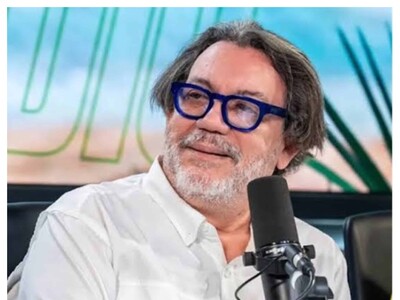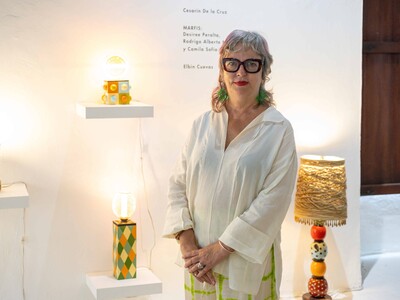
Spanish cultural manager María José Magaña has taken over as director of the Centro Cultural de España in Santo Domingo, introducing a strategy focused on community integration, historical memory, and decentralized regional projects.
Magaña assumed leadership of the venue in the Dominican Republic capital two months ago, following nearly 25 years at the Instituto Cervantes in Madrid, where she coordinated international visual arts networks. Her appointment comes as the institution marks 36 years of cultural programming in the Caribbean country.
The new director explained that her primary focus involves assessing changing audience needs while strengthening joint cooperation, democratic values, and civic dialogue across the nation. She noted that while her initial efforts center on the capital's historic district, projects will expand to cover cities and regions nationwide.
Community Collaborations and Historic Facilities
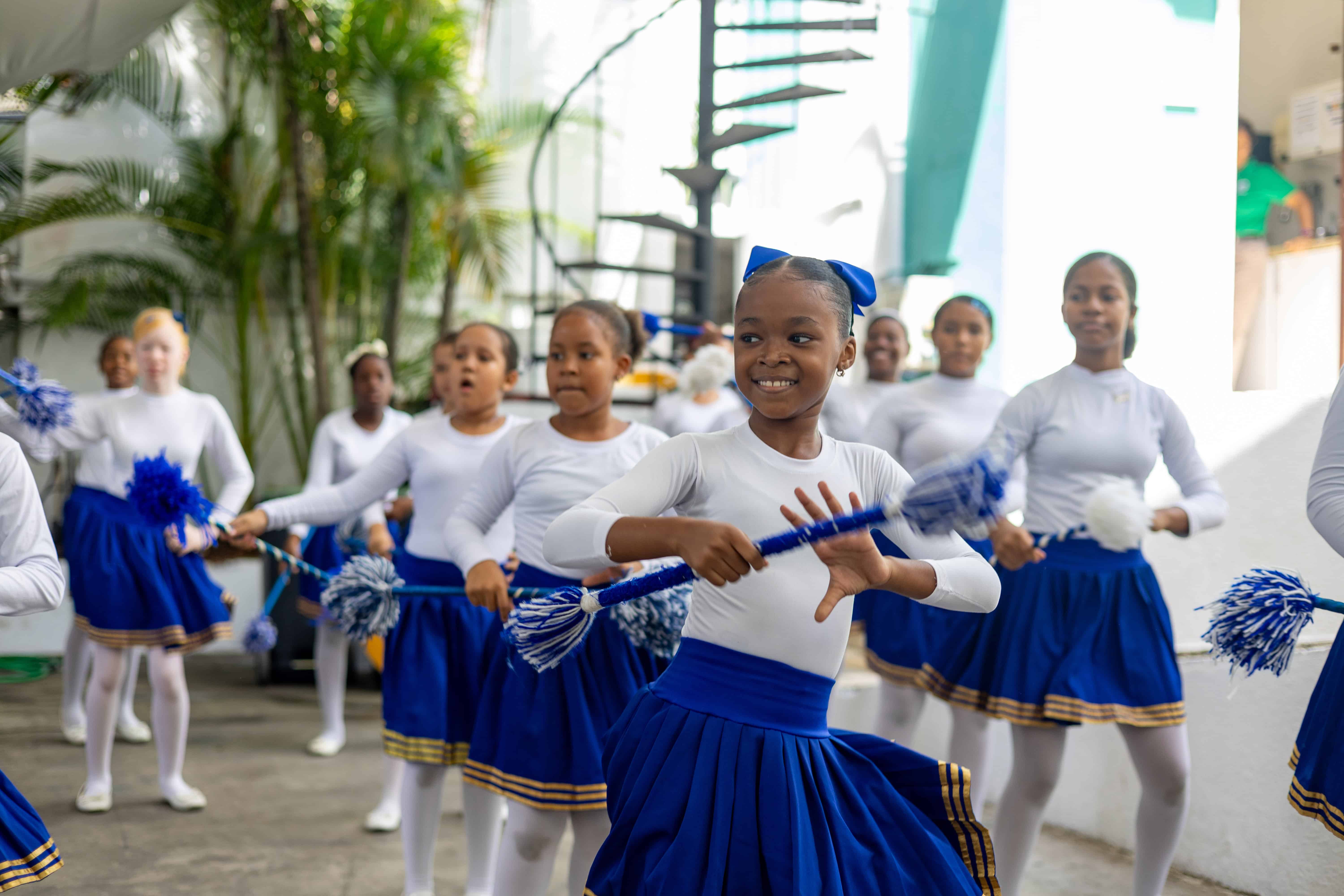
During a recent visit to her office, a youth baton ballet group from the Fundación Escuela de Arte Raíces, based in the municipality of Los Alcarrizos, toured the venue and delivered a short artistic performance.
The center also recently hosted a 15th anniversary celebration for Club Cultura, a local neighborhood association for elderly residents that meets at the facility. Members of the association presented the institution with a commemorative plaque during the event.
Magaña has begun meetings with local institutions, civil society groups, and neighbors to coordinate joint projects. Early discussions have involved Casa de Teatro, a prominent local cultural organization located adjacent to the center, as well as the Ministry of Culture, the General Directorate of Fine Arts, local museums, and public libraries.
The institution is participating in the Distrito Cultura plan, an initiative designed to establish unified cultural routes across the historic Colonial City, a UNESCO World Heritage district. Magaña stated that while walking conditions and security in the neighborhood have improved significantly, local traffic management remains an open issue. The cultural route model is planned for expansion to other parts of the city and country.
Historical Memory and Environmental Initiatives

The center's strategic plan includes dedicated historical memory programs. Planned initiatives will trace historical layers across the nation, including dedicated routes focusing on historic sugar mills and colonial discovery paths.
The Centro Cultural de España operates alongside the Spanish Cooperation Office, an affiliated bilateral development entity managed under Spain's international cooperation framework. The cooperation office will mark 40 years of operations in the Dominican Republic in 2027 and plans to publish a comprehensive report in early September detailing more than 100 development projects.
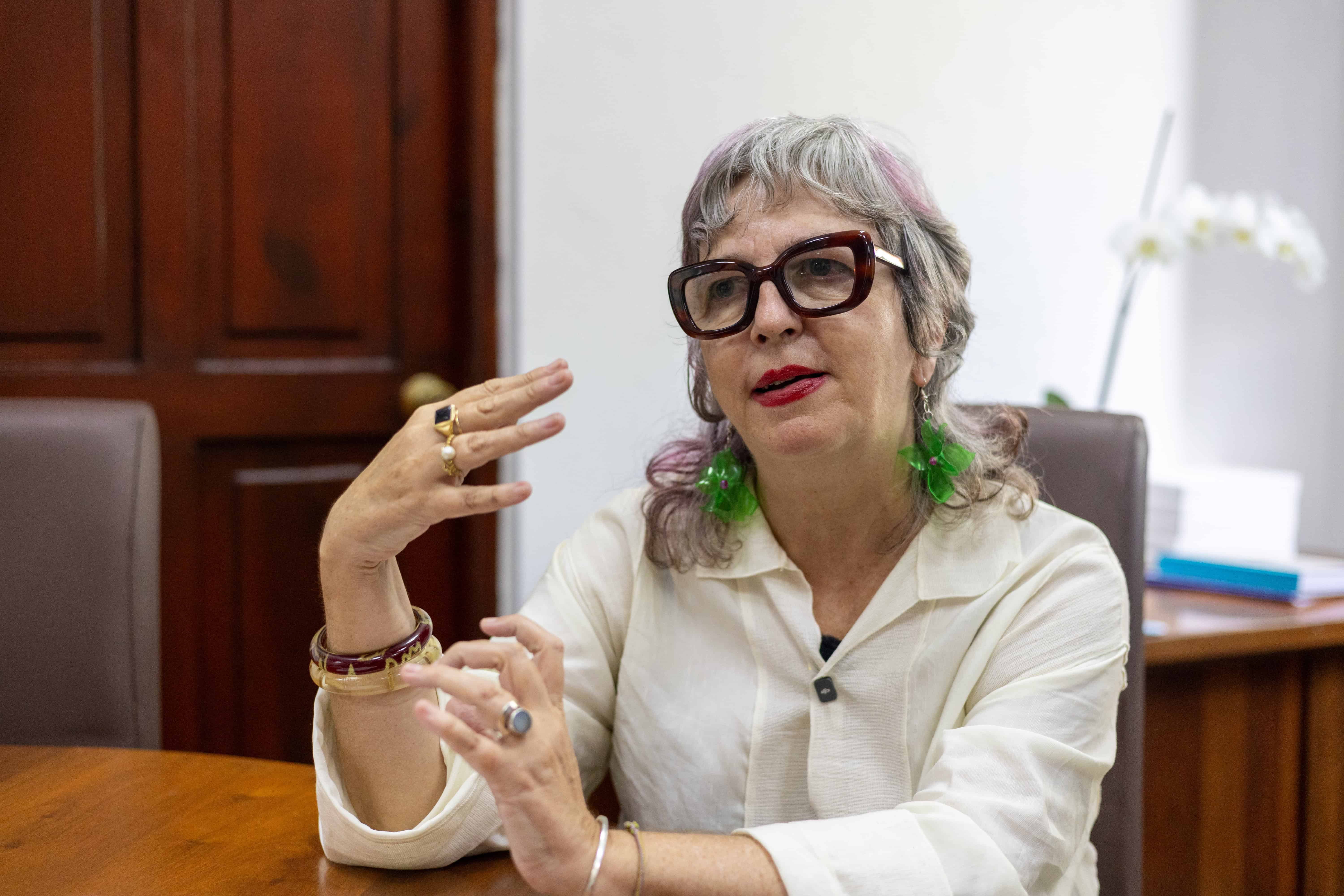
These bilateral projects include environmental initiatives tackling sargassum seaweed, waste recycling, food security, and water sanitation. Magaña noted that she was wearing earrings manufactured from recycled plastic bottles created during a workshop held with the Fundación La Merced.
The cultural center building itself combines elements of one of Latin America's oldest historical university structures with a 19th-century office annex. The restored facility features a central courtyard containing a mahogany tree near the coastline. Magaña noted that four years of restoration work preceded the center's official opening, setting up a 40th anniversary milestone for the building in four years.
Youth Engagement and Musical Programming
To reach younger demographics, the institution is emphasizing music, dance, and literature alongside visual arts, theater, photography, and performance art. Magaña explained that music in the country carries deep historical roots across the Atlantic, far beyond superficial tourist perceptions.
The center recently hosted a courtyard concert beneath its mahogany tree featuring traditional Dominican musical artists La Fiera and Fefita. Magaña remarked that although her personal musical background leans toward electronic music, she is studying regional genres, including differentiating traditional merengue from bachata.
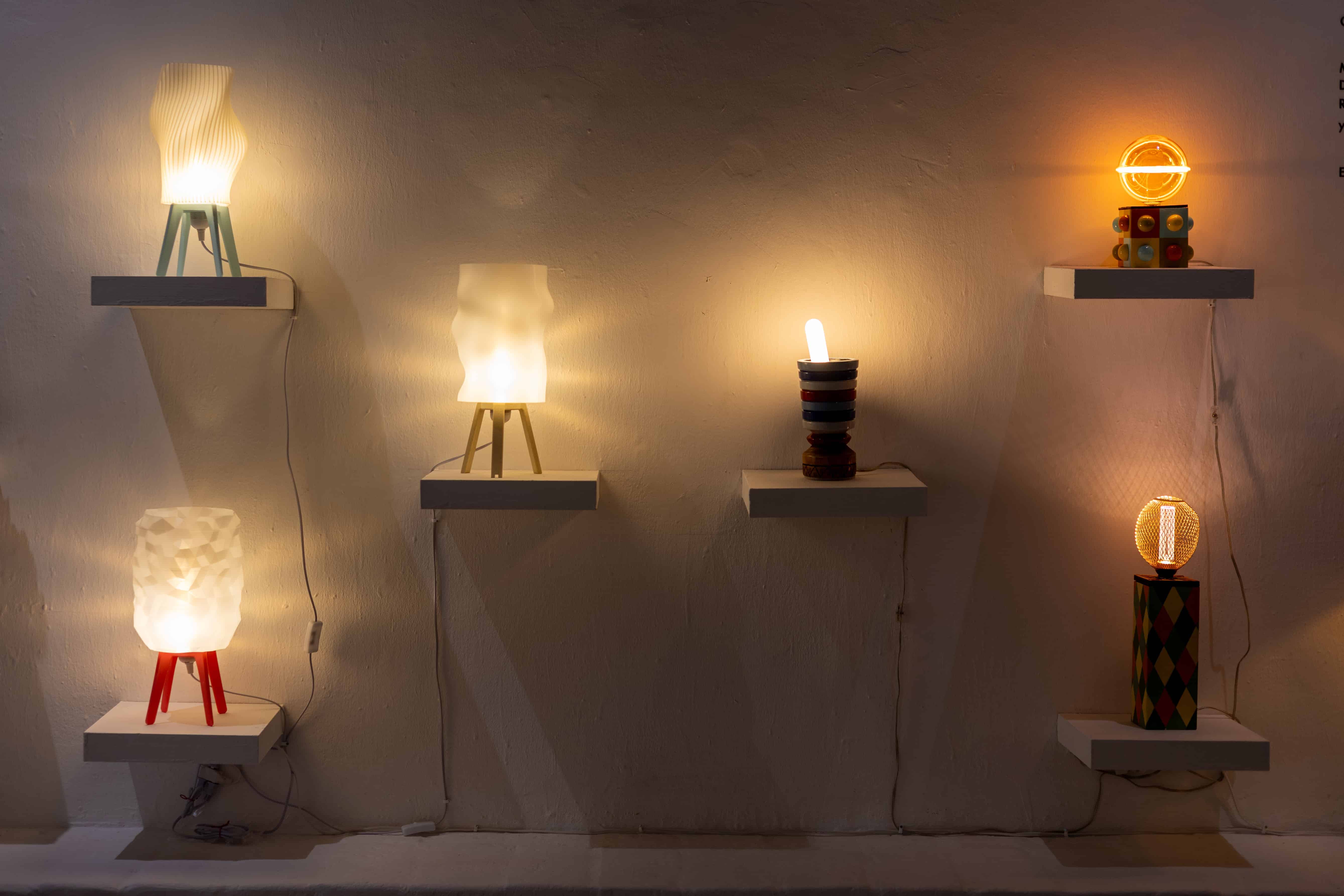
The venue is currently hosting an industrial design exhibition titled What We Use, What We Are: Dominican Republic Design in partnership with the Instituto Tecnológico de Santo Domingo. The showcase displays design pieces and functional items created by both university students and established professional designers.
The center has also expanded its social media outreach, particularly on Instagram, reporting increases in follower counts and video views aimed at engaging younger audiences.
Human Rights Focus and Upcoming Schedule
The institution treats cultural access as a fundamental human right linked to environmental protection, public education, anti-violence initiatives, and social inclusion for women, children, and teenagers. Ahead of upcoming anniversaries for the cooperation office in 2027 and the cultural center in 2030, leadership is positioning culture as a key tool for social development.
Through Spain's Acerca professional exchange program, six Spanish specialists visited the country this summer to conduct training courses. Topics covered included neuroscience in coordination with Fine Arts, film accessibility for deaf and visually impaired audiences, choral music, and performance art.
Upcoming schedule highlights include an invitation-only performance by Spanish singer Silvia Pérez Cruz at the Sala Aída Bonnelly on Tuesday, August 25. Organized in collaboration with the Fundación de Amigos del Teatro, the event includes an educational session on concert tour management for students.
The center recently concluded its Pride programming for the LGBTI community, which culminated in late August with the wrapping of the courtyard mahogany tree in fabric woven by community participants in pride colors. The venue will also participate in the Casa de Teatro Jazz Festival, events at the Cinemateca, the Mar de Palabras festival, and the annual Book Fair.
Additionally, Santo Domingo will host the 12th Ibero-American Museum Meeting from September 14 to 16. Following 11 previous regional gatherings, the conference will convene museum professionals from across Ibero-America to address museum management, regional diversity, and sustainable development.