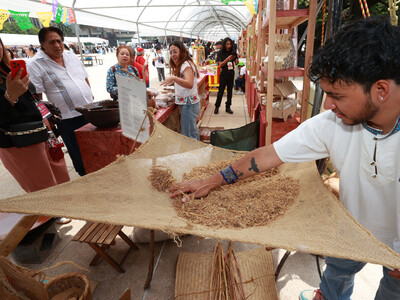
Farmers from Xochimilco, Tláhuac and Milpa Alta launched an amaranth fair at Mexico City's Monument to the Revolution on Friday to protect their ancestral grain.
The inaugural event brings harvests directly from rural farming families to the capital's central plaza, showcasing a seed cultivated for more than 4,000 years that faced colonial persecution over its ties to indigenous rituals. Amaranth, a nutrient-rich pseudocereal native to Mesoamerica, was historically combined with honey to create sacred statues during pre-Hispanic religious ceremonies.
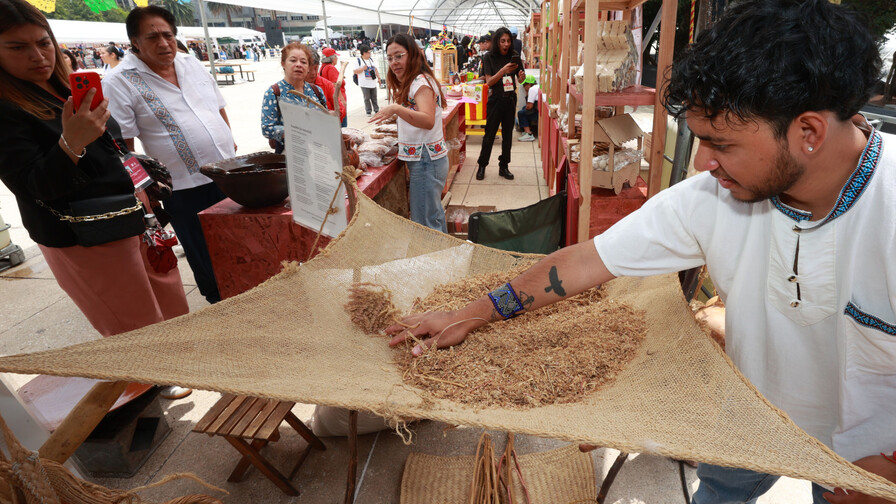
Atziri Itzayana, speaking on behalf of the amaranth sector at the inauguration, said the event represents an act of historical justice for an ancestral seed that never stopped blooming despite adversity. She pointed out the symbolic importance of the grain's survival for rural farming communities in the south of the capital.
Itzayana added that each grain holds history, nutrition, and hope, and said the responsibility of preserving the crop rests in the hands of young people. She emphasized the critical need to secure a generational handover across peri-urban agricultural fields surrounding Mexico City.
Threats from real estate speculation
Amaranth serves as an indispensable socio-ecological and historical foundation for Mexico City, playing a key role in food sovereignty, underground aquifer recharge, and biodiversity conservation across southern rural zones. However, the agricultural fields where the seed germinates face constant pressure from construction firms and unchecked urban sprawl.
Sustaining the cultivation of amaranth acts as the final natural buffer shielding the capital's designated Conservation Land against real estate speculation. These protected ecological zones comprise over half of Mexico City's total territory, providing vital environmental services and water replenishment for the urban basin.
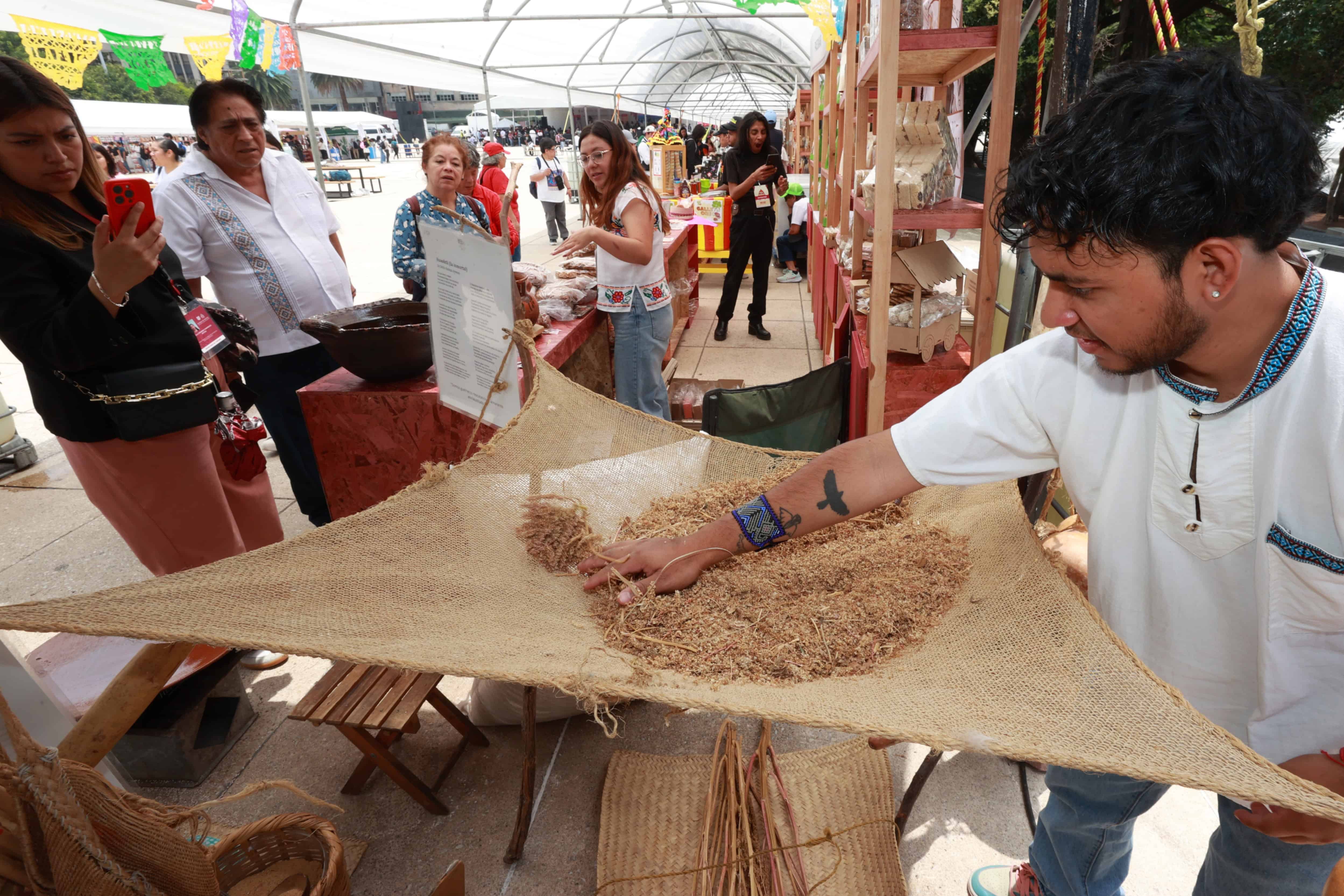
Officials from Mexico City's Secretariats of Culture, Tourism, and Economic Development attended Friday's opening alongside representatives from companies investing in the fair. The event offers local producers an opportunity to sell their harvests directly to consumers without reliance on intermediaries, helping secure their family livelihoods and dignifying rural agricultural labor.
Plans to expand crop area
Humberto Adam Peña Fuentes, the head of Rural Development for Mexico City, welcomed the presence of farmers occupying iconic capital spaces for direct trade. Peña Fuentes proposed doubling the current 85 hectares of amaranth cultivation across the capital region.
Peña Fuentes said city authorities want to advance the expansion project so that the conservation land remains the green heart of the capital. He added that the grain would save the population during future water shortages, describing amaranth as a food of both the present and future and praising its natural resilience against water crises brought on by climate change.
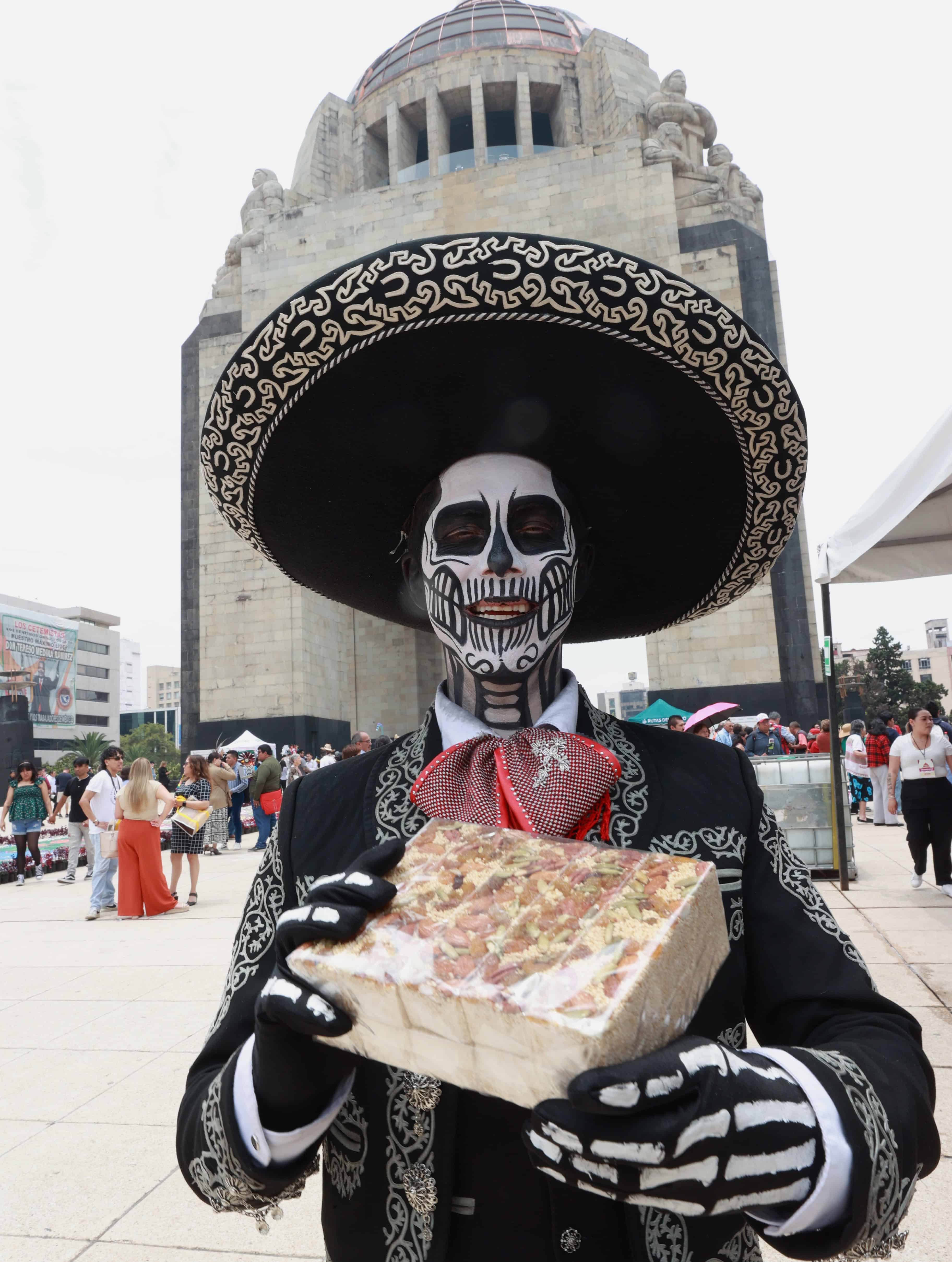
César Cravioto, Mexico City's Secretary of Government, announced that the Amaranth Fair will run for five days on the Monument to the Revolution esplanade. Cravioto stressed that supporting farming families is vital to halt the encroachment of the urban footprint onto agricultural land.
For local farming families, the gathering at the Monument to the Revolution, a prominent public landmark built in central Mexico City's Republic Square, provides a historic platform to defend a farming legacy that has endured for millennia. Producers noted that direct sales allow them to keep agricultural traditions viable in the face of ongoing economic and urban pressures.