

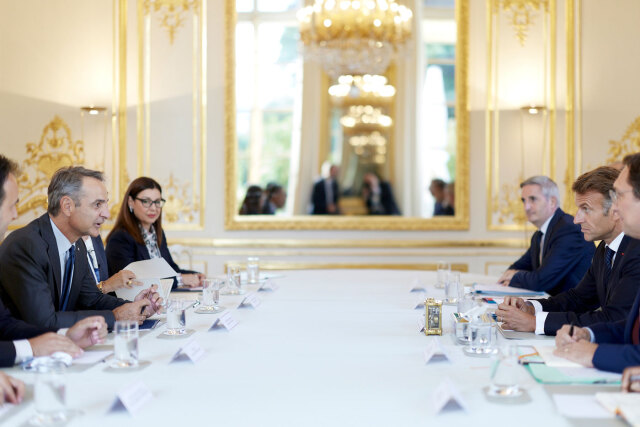
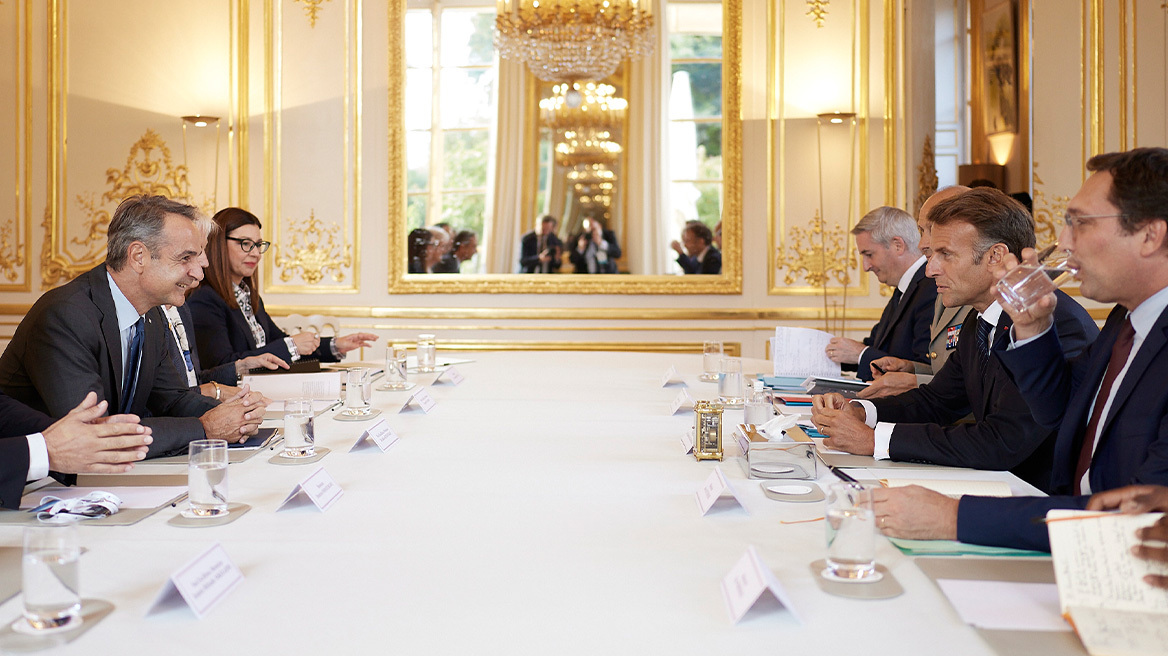
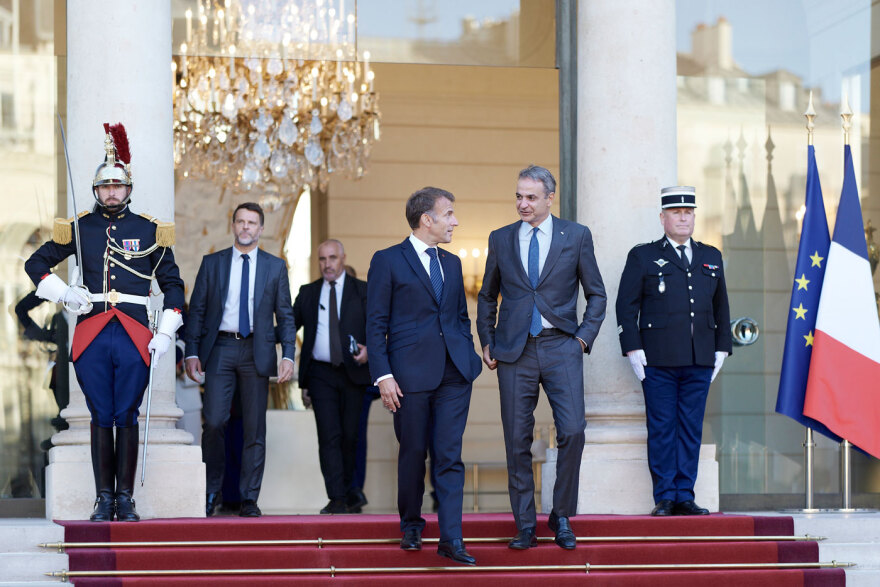
Greek Prime Minister Kyriakos Mitsotakis and French President Emmanuel Macron discussed the future of the Great Sea Interconnector, the planned undersea power cable linking Greece and Cyprus, when they met at the Élysée Palace in Paris on September 9, 2026.
The talks focused on the expanding role of Meridiam, the French infrastructure investment group that has become majority shareholder in the company set, under the original plan, to build the cable. The change creates new circumstances for a project of wider European and geopolitical importance.
Meridiam's stake in the Great Sea Interconnector
Mitsotakis and Macron discussed the next steps for delivering the electrical interconnection between Greece and Cyprus now that Meridiam holds a majority stake in the company designated to develop it. Meridiam is a Paris-based investment firm that finances and manages public infrastructure projects around the world.
The Great Sea Interconnector is a subsea electricity cable project designed to link the Greek and Cypriot power grids. Cyprus is currently isolated from the electricity networks of neighbouring European Union countries, which is part of why the project has been treated as strategically important in Athens and Nicosia.
Eastern Mediterranean, Iran and the Strait of Hormuz
The meeting also carried a broader geopolitical and energy agenda. Mitsotakis and Macron exchanged views on developments in the Eastern Mediterranean, Iran and the Middle East more widely.
Mitsotakis briefed Macron on meetings he had held a day earlier in Egypt with President Abdel Fattah el-Sisi and Cyprus's President, Nikos Christodoulides.
The Greek prime minister also raised the effect of the ongoing crisis in the Strait of Hormuz on energy costs, telling Macron that initiatives were needed at the level of the European Union. The Strait of Hormuz, between Iran and Oman, is one of the world's key routes for oil and gas shipments, and disruptions there have historically driven up global energy prices.


