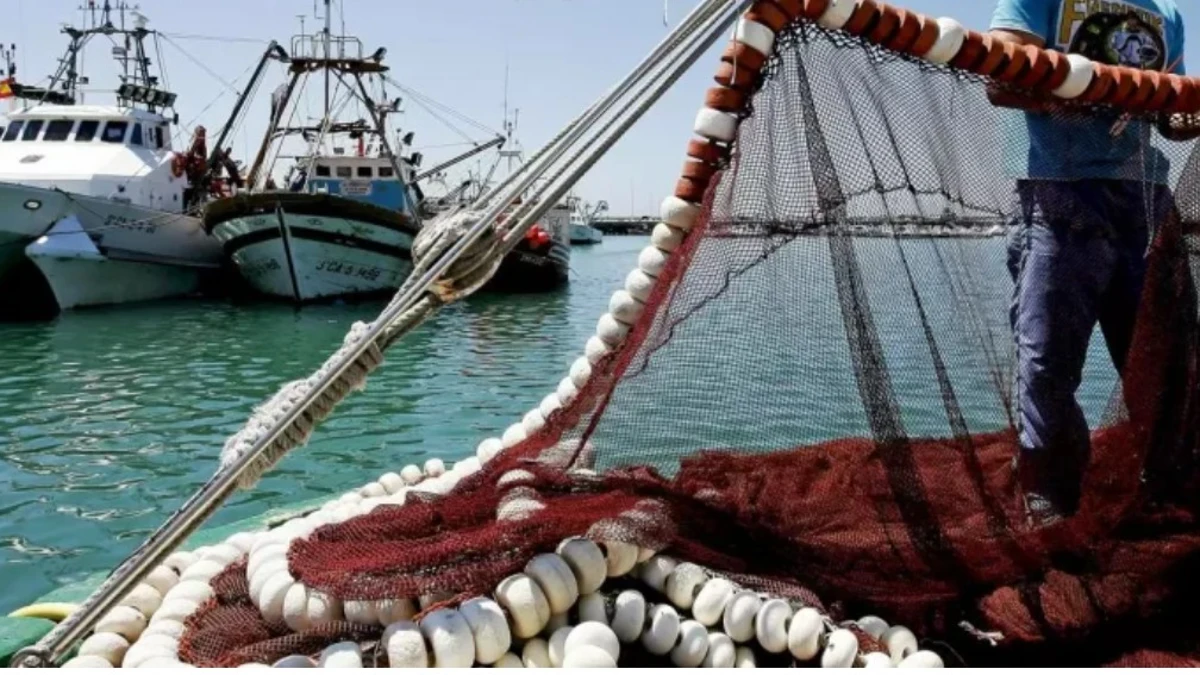
Morocco's maritime fishing sector produced 15% less in 2025 than it did the previous year, while the value of its seafood exports fell 8%, according to official sources.
Despite the decline in production and exports, the industry added jobs and expanded. The number of people employed on land rose from about 128,000 to roughly 135,000, the sources said, while the number of fishermen working at sea stood at around 135,000 as well. Taken together, that puts the total number of jobs tied to fishing, on land and at sea, at roughly 270,000. The number of industrial units linked to the sector also grew.

Fishing remains a major employer
Officials said the rise in employment and industrial capacity, even as catches and exports fell, showed the continuing economic and social importance of maritime fishing in Morocco, despite the pressures weighing on both production and overseas sales.
Morocco has one of the longest Atlantic coastlines in Africa, stretching from the Strait of Gibraltar in the north down past the Western Sahara in the south. Fishing has long been central to the economy of towns along that coast, and the sector is one of the country's largest sources of jobs outside agriculture. Morocco is often cited as Africa's leading fish-producing nation. Ports such as Agadir and Safi have for decades been major centers for sardine fishing and canning, helping make Morocco one of the world's leading exporters of canned sardines.
Successive Moroccan governments have tried to develop the sector under a national strategy known as Halieutis, which aims to raise both the volume of catches and their value by expanding processing industries such as canning and fishmeal production. The European Union is among Morocco's largest trading partners for fish products, under a fisheries partnership agreement between the two sides.
Catches rebound in 2026
Data for the first nine months of 2026 point to a recovery after the previous year's decline. The volume of fish landed rose 17% compared with the same period a year earlier, while the value of those landings increased by around 5%, according to the sources.
The improvement was driven mainly by pelagic fish, the surface-dwelling species such as sardines, mackerel and anchovies that account for the bulk of Morocco's catch. Landings of pelagic fish jumped 85% over the nine months, with sardines behind much of the rise. The abundance of sardines off Morocco's Atlantic coast is linked partly to the Canary Current, a cold-water current that flows south along the coastline and supports some of the richest fishing grounds in the world.
Catches of molluscs, a category that includes octopus and squid, also increased, climbing 9%, the sources said. White fish, which covers bottom-dwelling species such as hake and sole, moved in the opposite direction, with catches down 18%. Morocco also enforces periodic bans on octopus fishing to allow stocks to recover.
Exports shift towards processed goods
The nine-month figures also showed a shift in what Morocco sold abroad. Exports of frozen seafood fell 14% by volume, while exports of canned and semi-canned products rose 20% in volume and 34% in value, according to the sources. Canned sardines, in particular, have been exported from Morocco for more than a century, making the country one of the longest-established players in the global canning industry.
The value of exports of fishmeal and fish oil, byproducts made from fish waste and used mainly in animal feed, increased by 90% over the same period, the figures showed.
Morocco is also one of the world's largest exporters of octopus, much of it sold to markets including Spain and Japan, alongside its long-standing trade in canned sardines and frozen fish.