

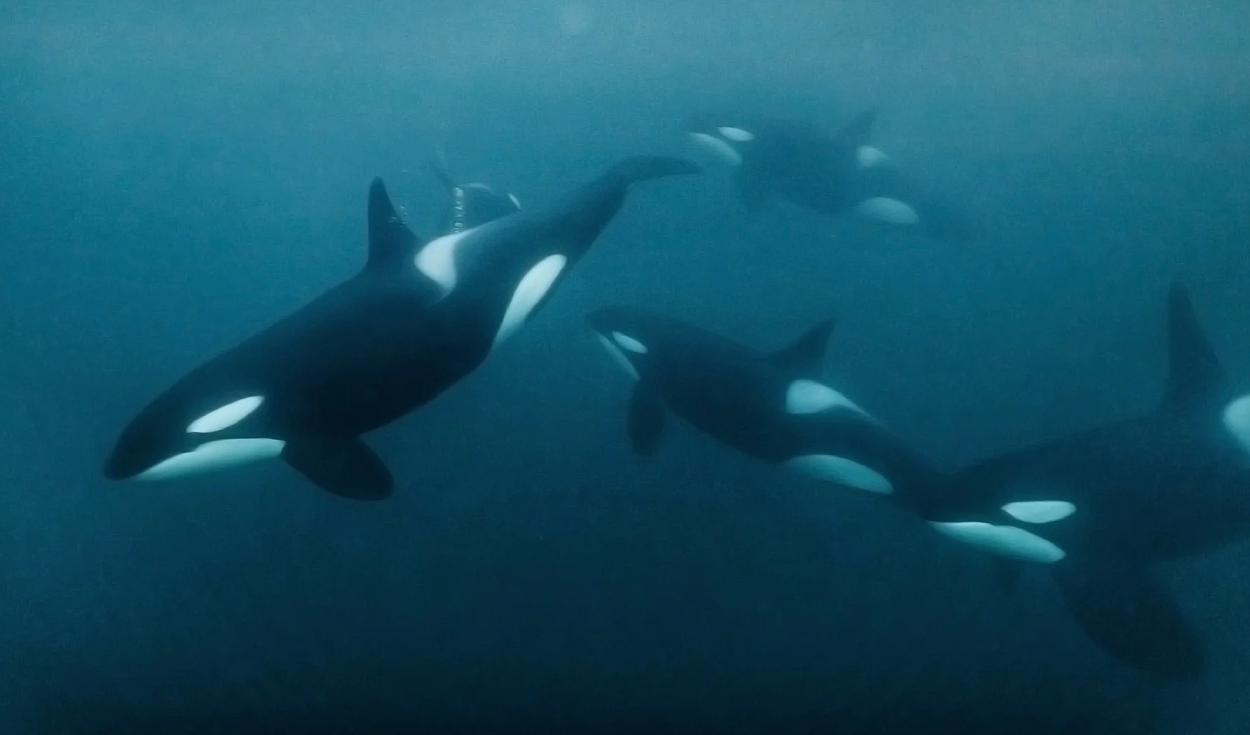
Orcas retreat immediately when they hear or encounter long-finned pilot whales, according to research published in the journal Scientific Reports in January 2026. Observations conducted between 2004 and 2026 confirmed that killer whales move away despite being the supreme ocean predators. Researchers still do not know what causes this avoidance behavior.
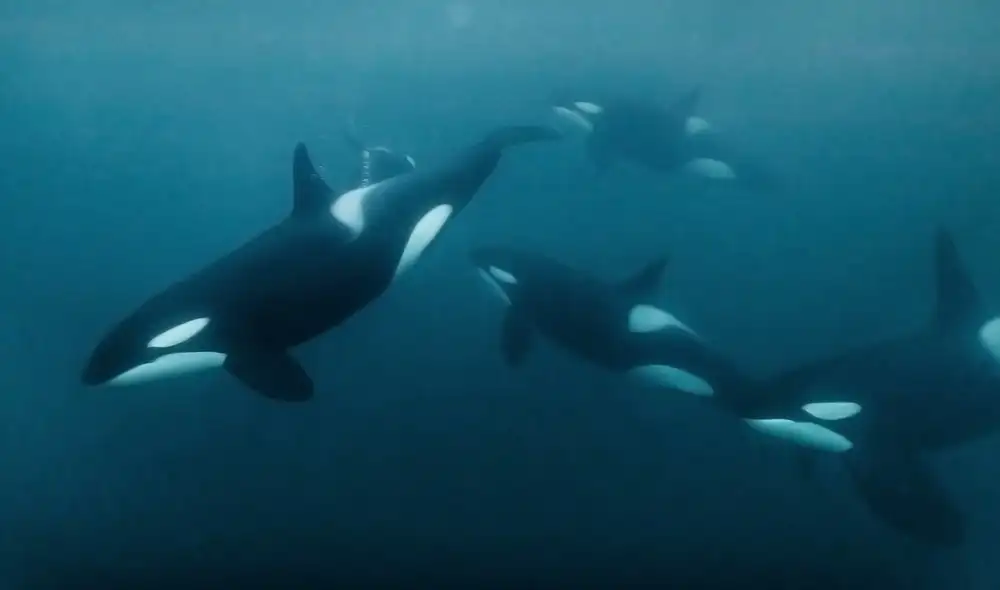
For a long time, orcas have been considered the main ocean predators due to their intelligence, group hunting, and ability to adapt to different marine ecosystems. Their diet includes fish, seals, and even white sharks. However, the smaller long-finned pilot whale, known scientifically as Globicephala melas, causes orcas to leave the area.
Initial clues surfaced in 2012 when a team led by marine biologist Charlotte Curé verified that long-finned pilot whales moved toward sounds made by orcas. In 2014, a group led by marine scientist Renaud de Stephanis of Spain's Higher Council for Scientific Research reviewed all documented encounters between the two species since 2004. They discovered an unexpected pattern where orcas chose to withdraw whenever pilot whales appeared.
Observations in Icelandic Waters
The finding surprised scientists because no clear ecological explanation existed. Both species do not compete for the same food and rarely attack each other. Furthermore, long-finned pilot whales are considerably smaller than orcas and do not pose an obvious danger, yet orcas consistently repeat the response.
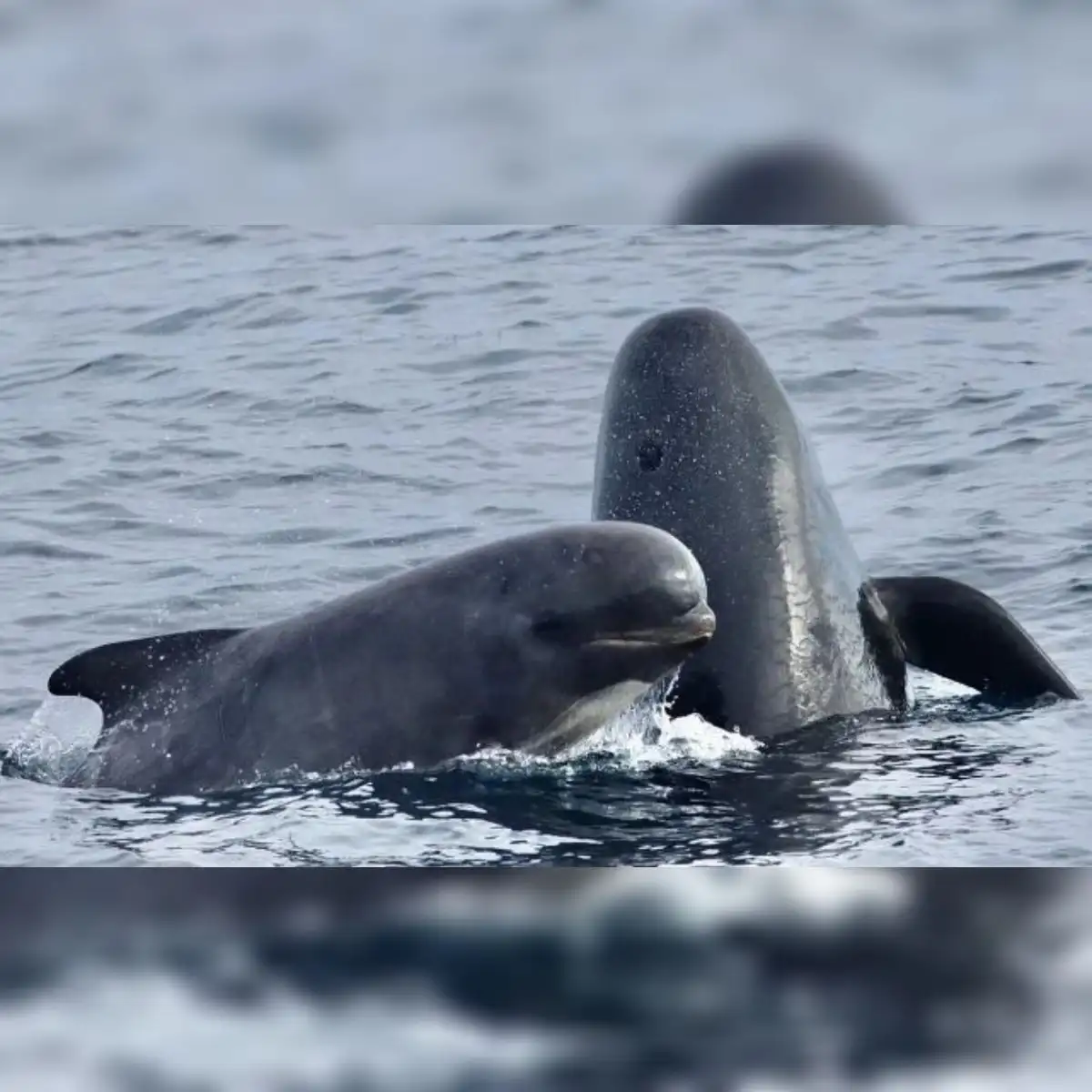
To analyze the behavior, marine biologist Anna Selbmann and her colleagues examined records collected between 2007 and 2020 across six regions of Iceland. Data gathered from research platforms and whale-watching vessels identified 24 encounters between the two species. In 68 percent of those encounters, orcas avoided contact by leaving the area before pilot whales arrived.
In another 28 percent of the documented cases, the two groups engaged in fast chases reaching speeds of up to 13.5 knots, equivalent to about 25 kilometers per hour. The researchers then conducted an experiment to test whether orcas reacted to the physical presence of pilot whales or strictly to their sounds.
Acoustic Experiment and Mobbing Behavior
Selbmann's team played recordings of pilot whale vocalizations to orcas fitted with tracking devices. The response was immediate as the animals modified group formation, changed vocal behavior, turned around, and increased their swimming speed. The authors reported that acoustic signals alone were sufficient to trigger a clear avoidance response.
Despite observations gathered over more than two decades, the exact reason for this behavior remains unknown. Researchers noted in the study that direct physical attacks by pilot whales against orcas have never been documented. This absence of direct confrontation makes the interaction one of the most striking among large cetaceans.
One leading hypothesis suggests pilot whales practice mobbing, a collective behavior common in some birds where several animals harass a potential predator until it leaves. Scientists are also evaluating alternative explanations, including competition for specific resources or calf protection, leaving the relationship open to ongoing research.


