Pepe Álvarez, the general secretary of Spain's UGT union, has called a nationwide general strike for November 11 alongside the Comisiones Obreras federation.
The industrial action represents the first general strike called in Spain during the premiership of Pedro Sánchez, who has led the country since 2018.
The stoppage has been directed primarily against political opposition parties rather than the national executive, with union leaders framing the mobilisation as a defence for anyone who feels they are losing social and workplace rights.
Disruptions linked to the protest began on Tuesday, November 10, across selected economic sectors ahead of the full national walkout scheduled for Wednesday.
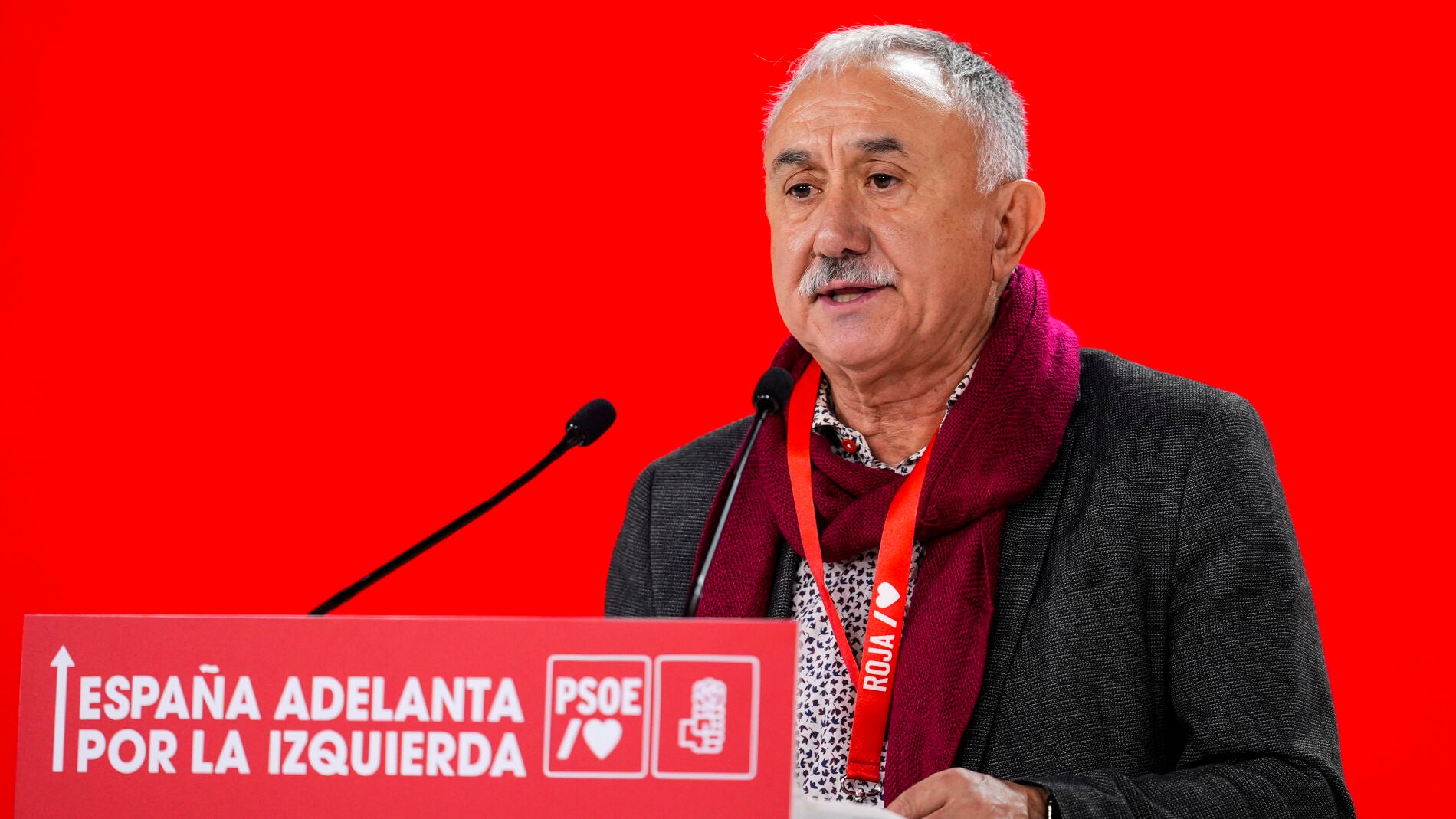
Leadership and Age at the UGT
Álvarez, who is 70 years old, is currently at the midpoint of his third and expected final term leading the Unión General de Trabajadores. Despite reaching an age when many workers retire, he has remained committed to front-line union leadership, having spent his entire professional life within the labour movement.
The veteran leader previously addressed public discussion surrounding his seniority two years ago, when he was 68. At that time, Álvarez remarked that while he was not ageist, he recognised that advanced age often carried greater weight in public opinion than it did in his own mind.
The UGT represents one of Spain's two major trade union federations, alongside Comisiones Obreras, known as CCOO. Founded in 1888, the organisation has historically maintained close ideological ties with the ruling Spanish Socialist Workers' Party, known as the PSOE, which currently governs the country in a left-wing coalition.
Mandate Extended Through 2028
Álvarez has confirmed that he plans to stay in his post until at least 2028, ensuring his continued leadership through the remainder of his four-year mandate. Speaking in an interview with the union publication UGT Políticas Europeas, he reflected on his lifelong commitment to the labour federation, stating that he owed everything to an organisation where he had spent decades working and campaigning as a member.
When delegates re-elected him to his third consecutive term as general secretary, Álvarez noted that both he and the union leadership concluded his continued presence would add value. He explained that the movement was passing through an optimal moment for organised labour, creating favourable conditions for stability at the top.
The union chief also emphasised that he felt energetic and determined to continue leading the organisation during what he described as its strongest period in years. Álvarez added that he deliberately sought to prevent internal debates over individual leaders from distracting members or slowing down the federation's organisational growth.
Surge in State Subsidies
The timing of the general strike has drawn attention to the substantial public funding allocated to Spain's two dominant labour groups. Direct government subsidies to the UGT and CCOO have climbed by 263 percent since Sánchez took office at the Moncloa Palace in 2018.
Over that eight-year span, the two trade unions received a combined total of 110 million euros in state assistance. The payments coincided with an extended period of labour peace in which neither federation mounted major confrontations against the PSOE administration, which has governed alongside left-wing partners such as Podemos and Sumar.
The 110 million euros represents historic funding, marking the highest level of direct state financial backing ever granted to both organisations. Together, the UGT and CCOO accounted for 74 percent of all direct government subsidies distributed among trade unions nationwide.
Álvarez rejected suggestions that the financial relationship compromised union independence during his 2024 interview. He dismissed claims that trade unions were propped up by public money as a false rumour, maintaining that his organisation did not depend on the state to survive. While acknowledging that he had asked Sánchez for additional funding, Álvarez maintained that he was merely demanding that authorities pay what the unions were legitimately owed.
Cost of Living Pressures Behind Walkout
During a press conference in Barcelona on Monday, Álvarez presented findings from an internal union survey indicating that 72 percent of citizens believe sufficient grounds exist to justify calling a nationwide stoppage.
Even so, the general secretary conceded that actual turnout on picket lines might prove somewhat lower than polling suggested. He acknowledged that many workers were struggling financially or felt anxious about losing wages during difficult economic times.
Álvarez explained that household budgets were under intense pressure because a series of financial burdens linked to ordinary earnings had all turned unfavourable at the same moment. He pointed out that ordinary families could no longer make ends meet on current pay packets.
He also blamed the declining quality of public services for worsening living standards across the country. Álvarez observed that deteriorations in public healthcare and state education had forced working families to turn to private providers, placing heavy additional expenses on household budgets.
He expressed confidence that Catalonia would prove to be one of the autonomous communities providing the strongest public support for the strike. Catalonia, centered on the metropolitan and industrial hub of Barcelona, has long served as a stronghold of Spanish trade unionism and industrial action.
Legal Rights for Striking Workers
Ahead of the widespread industrial action, labour lawyer Juanma Lorente clarified the legal rules governing employee participation in the November 11 stoppage.
Lorente explained that Spanish workers are under no legal obligation to tell their employers in advance whether they plan to take part in the strike, nor are they required to confirm their workplace attendance beforehand.
Under Spanish labour law, the right to strike is established as a fundamental constitutional right, meaning employees cannot be sanctioned simply for joining an official union stoppage. While certain essential services are required to maintain minimum operational staffing levels during a general strike, individual employees retain legal discretion regarding their participation on the day.
With several economic sectors already feeling the initial effects of the stoppage on Tuesday, the broader mobilisation on Wednesday will test the union's ability to rally workers around social demands across Spain.