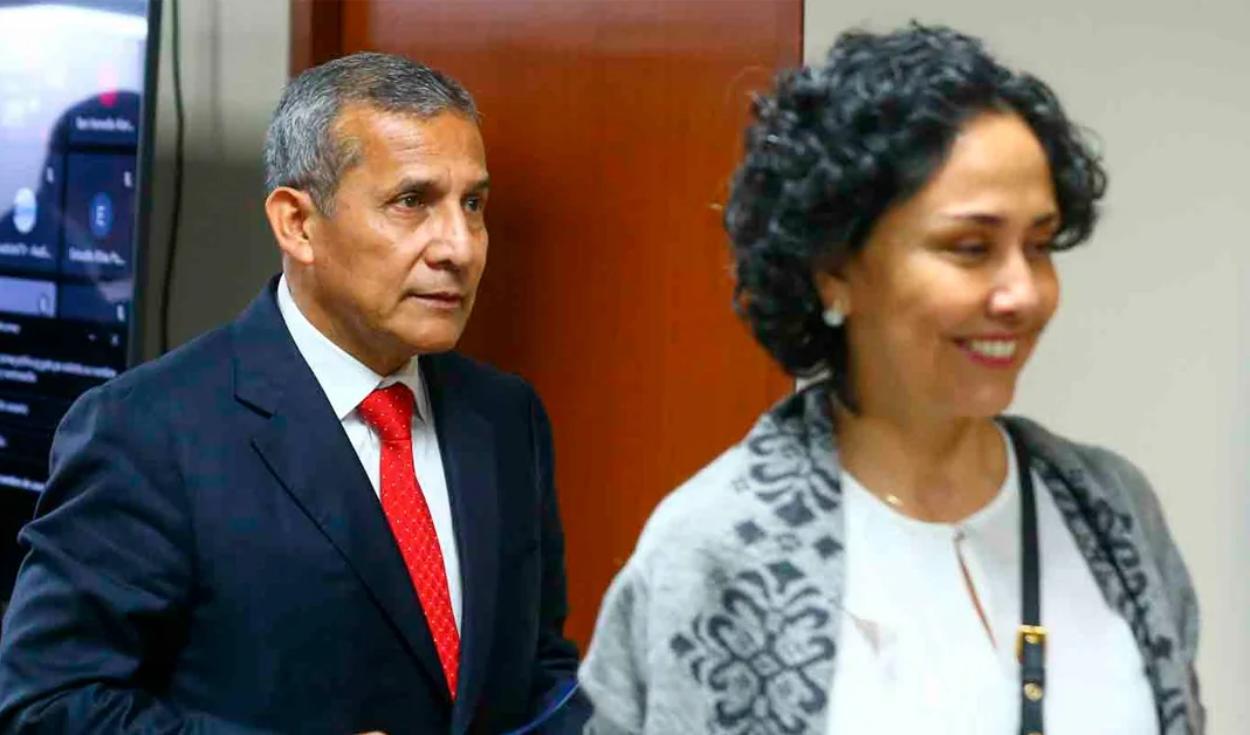
Peru's Sixth National Preparatory Investigation Court has dismissed the criminal investigation against former president Ollanta Humala and former first lady Nadine Heredia over allegations of aggravated collusion tied to the Gasoducto Sur Peruano pipeline project, ruling that prosecutors failed to produce sufficient evidence to send them to trial.
The ruling also benefited four other defendants: Jorge Barata, the former representative in Peru of the Brazilian construction conglomerate Odebrecht, David San Frutos, Jesus Saldana Fernandez, and the company Enagas Internacional SLU, which had been added to the investigation over the same allegations.
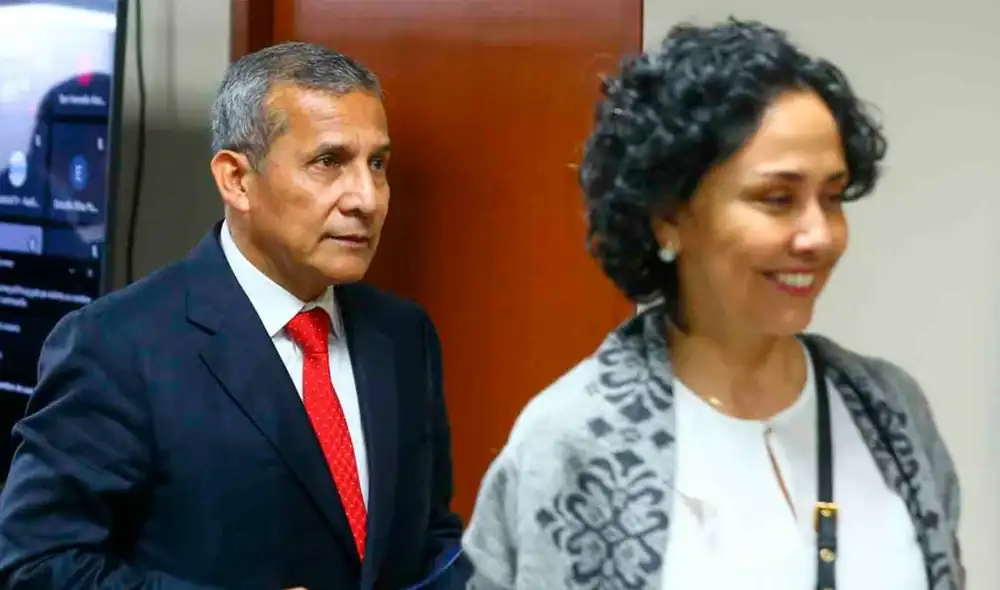
The court ordered that the personal precautionary measures imposed on the six individuals investigated for aggravated collusion be lifted. The dismissal of the criminal case does not clear the seven defendants of all judicial scrutiny, however. The judge ordered that they remain linked to the case file over possible civil liability, since Peru's Attorney General's Office, known as the Procuraduria, maintains its claim for reparations over alleged damage to the state.
Judge questions prosecution's evidence
The ruling was issued on November 19, 2026, by judge Leodan Cristobal Ayala, following hearings held on September 28 and on October 5 and 12.
One of the court's main arguments was that prosecutors failed to concretely link their evidence to the five alleged collusion agreements attributed to Humala. The accusation cited meetings with Odebrecht representatives, coordination over the Kuntur gas project, and decisions tied to the concession of the Gasoducto Sur Peruano pipeline. The judge found that much of the evidence presented was generic or taken out of context and did not support the specific charges.
Humala served as president of Peru from 2011 to 2016, with Heredia, his wife, as first lady. Odebrecht is the Brazilian construction company at the center of corruption scandals across Latin America. The Gasoducto Sur Peruano was a planned pipeline project meant to carry natural gas from the country's southern gas fields, with a concession originally awarded to a consortium that included Odebrecht.
During the proceedings, prosecutors argued there was an agreement between Humala and Barata to benefit Odebrecht. Among the evidence cited were meetings at the Government Palace, campaign contributions of between two and three million dollars, and commitments tied to a performance bond for the Kuntur project worth $66.7 million. The Procuraduria also opposed the dismissal, arguing that the administrative acts in question should be assessed together with the alleged prior agreements.
The judge found that the accusation did not reach a sufficient level of suspicion to send Humala to trial. He also noted that prosecutors had not corrected deficiencies he had previously flagged regarding the need to specify what evidence backed each fact attributed to the former president, and ruled that this failure could not be excused by the expiration of procedural deadlines. He added that the closure of this part of the case stemmed from shortcomings in how prosecutors had formulated the accusation.
Dismissal extends to Heredia and other defendants
Regarding Heredia and the other defendants accused of aggravated collusion, the court found that the charges against them depended on the accusation against Humala. In other words, without sufficient evidence to try the former president, there were no grounds to continue the case against those accused of acting as his accomplices, since their alleged involvement was tied to his conduct as a public official.
This legal standard, known as the principle of limited accessoriness, led the judge to extend the dismissal to Heredia, Barata, San Frutos, Saldana and Enagas.
What happens next
The case continues on civil grounds, as Peru's Attorney General's Office maintains its claim for reparations over alleged damage to the state.
Test yourself
Which court dismissed the criminal case against Ollanta Humala and Nadine Heredia?
What crime was at the center of the dismissed case?
What legal principle led the judge to extend the dismissal to Nadine Heredia and other defendants?
Have your say
Do you agree with the court's decision to dismiss the collusion case against Humala and Heredia?
Where it happened
Lima, Peru