

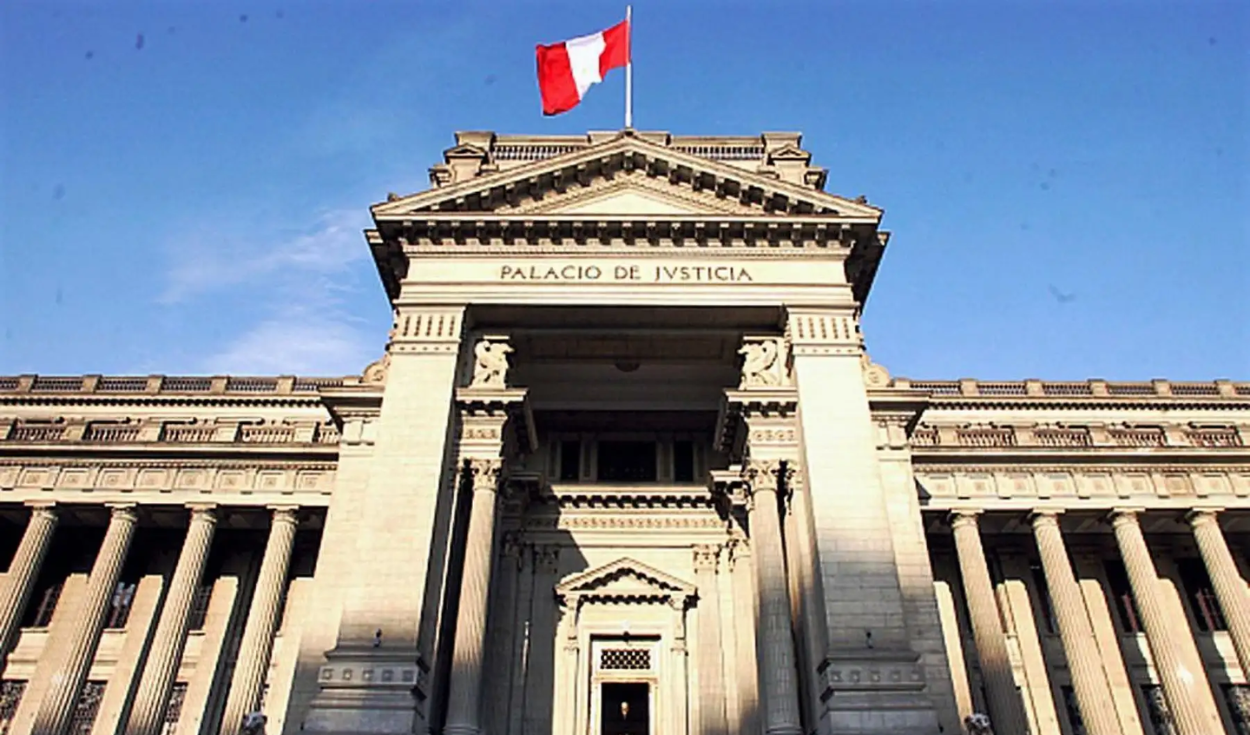
Judge Leodan Cristobal Ayala has dismissed aggravated collusion charges against 14 former Peruvian ministers and ProInversion officials in the Gasoducto corruption case.
The ruling comes after a 12-year criminal investigation into the awarding of the Southern Gas Pipeline project during the administration of former President Ollanta Humala. Prosecutor Geovana Mori failed to prove that any of the 14 accused individuals committed a crime, prompting the court to throw out the case against them.
Judge Cristobal declared the criminal cause fully concluded for all 14 defendants and ordered the immediate lifting of all restrictive measures previously placed on their liberty.
Ex-ministers and agency directors cleared
The decision clears several top cabinet members who served under President Humala between 2011 and 2016, including former economy minister Luis Miguel Castilla, former energy and mines ministers Jorge Humberto Merino Tafur and Eleodoro Octavio Mayorga Alba, and former transport minister Carlos Eduardo Paredes Rodriguez.
The ruling also absolves former ProInversion directors and state officials Edgar Bartolo Ramirez Cadenillas, Maria del Rosario Raquel Patino Marca de Alvarez, Guillermo Lecarnaque Molina, Elda Patricia Diaz Gazzolo, Percy Olivas Lazo, Omar Duenas Cardenas, Luis Renato Sanchez Torino, Dicki Edwin Quintanilla Acosta, Erick Portuguez Echegaray, and Alfredo Juan Carlos Dammert Lira.
ProInversion is Peru's private investment promotion agency, tasked with designing and executing public-private partnerships and major infrastructure concessions. The Gasoducto investigation centered on allegations that officials rigged the bidding process for the multimillion-dollar gas pipeline in southern Peru to benefit foreign contractors.
Prosecution cited for structural defects
In his ruling, Judge Cristobal highlighted critical structural defects in the indictment presented by prosecutor Geovana Mori. He noted that prosecutors relied on a generic, boiler-plate accusation that each official participated in a collusive pact between President Humala and former Odebrecht executive Jorge Henrique Simoes Barata, combined with administrative irregularities, without detailing specific collusive actions committed by each person.
The magistrate emphasized that the court had warned the prosecution about these structural flaws as early as Resolution Number 25 on January 22, 2026. The court returned the indictment ex officio for correction, but prosecutors re-submitted the filing while retaining the exact same structural errors.
On May 6, 2026, through Resolution Number 34, the court declared the aggravated collusion charges unamendable for six defendants: Castilla, Merino, Patino, Quintanilla, Diaz, and Olivas. During subsequent exception hearings, prosecutors attempted to fix the flaws orally by introducing legal doctrines such as collusion by adherence, parallel authorship, continued authorship, and successive execution.
Judge Cristobal rejected these efforts, stating that none of these legal theories appeared in the written indictment. He added that the prosecution failed to detail the forbidden conduct or demonstrate that the accused had prior knowledge of any agreement between Humala and Barata.
Weakened case continues against core defendants
The dismissal further weakens a prosecution that had already been severely damaged in July 2026, when Judge Cristobal archived separate charges against the officials for criminal organization and illicit association.
While the 14 former officials have been fully excluded, criminal proceedings will continue against a smaller group of core defendants. Remaining individuals facing charges include former president Ollanta Humala, former first lady Nadine Heredia Alarcon, former Odebrecht executive Jorge Henrique Simoes Barata, David San Frutos Tome, and Jesus Luis Saldana Fernandez.
The case also continues against two corporate entities: Brazilian construction giant Odebrecht and Spanish energy company Enagas Internacional.


