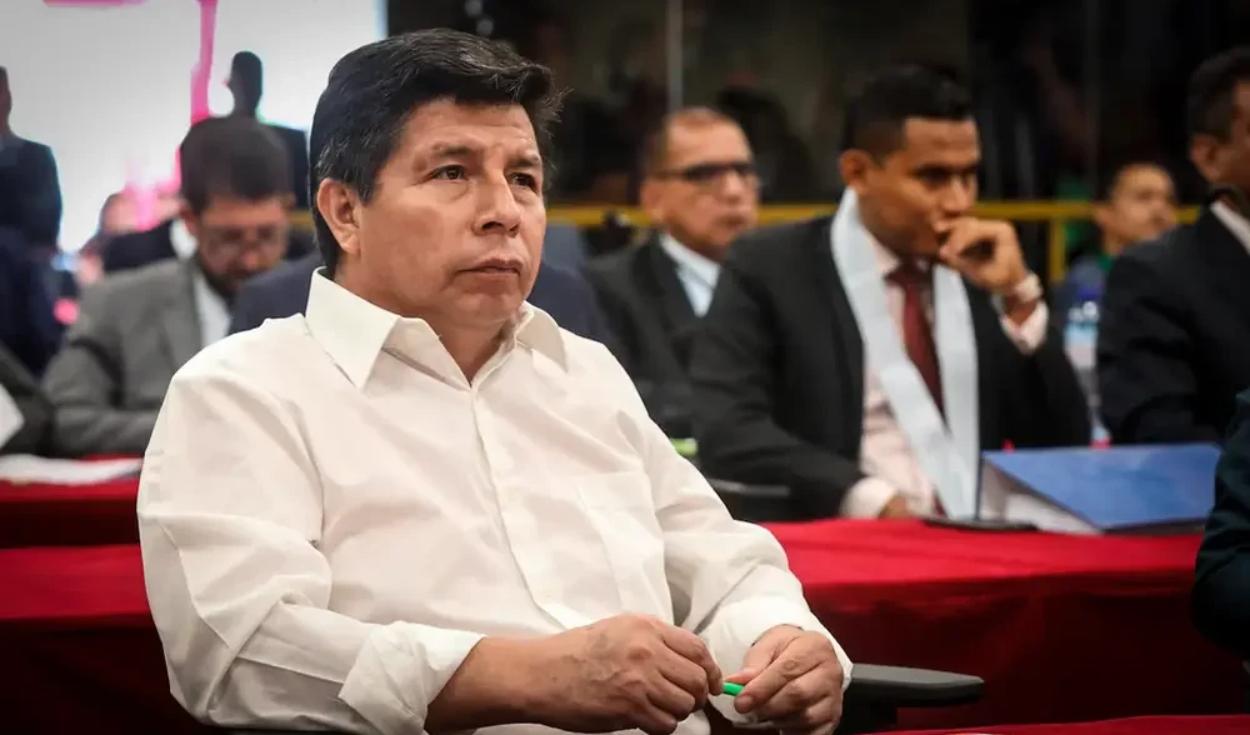
Two congresswomen from Peru's Cívico Obras party, Jeenny Gonzales Samanez and Andrea Medina Stein, have withdrawn their signatures from a bill that would grant amnesty to former President Pedro Castillo over the political crisis Peru has faced since July 2021.
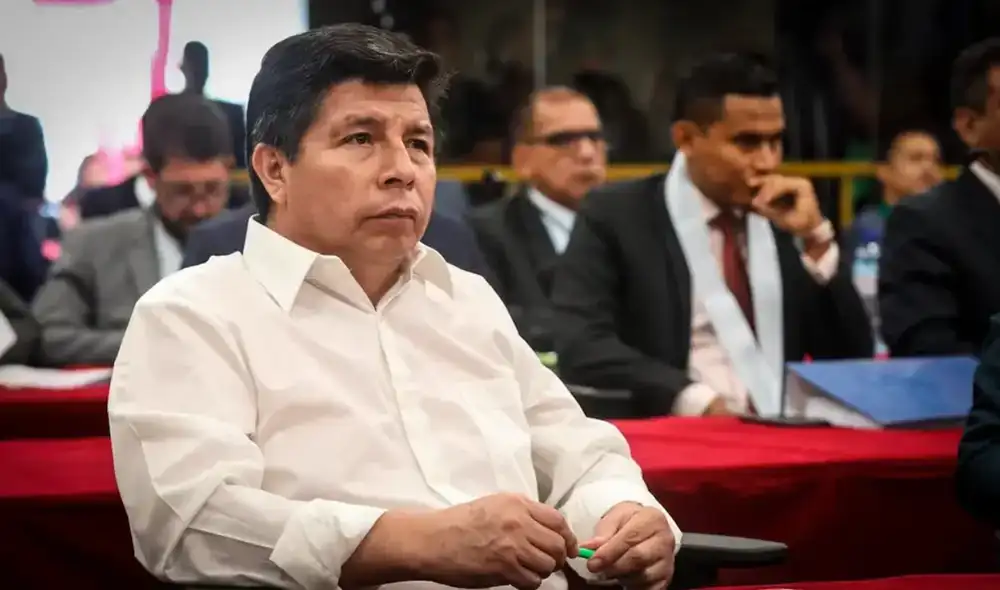
Hugo Rovira Zagal, the chief clerk of Peru's Chamber of Deputies, the official responsible for managing the chamber's records, ordered that the two signatures be treated as withdrawn after each lawmaker submitted a memorandum. Gonzales Samanez's signature was removed on November 4, and Medina Stein's on November 9.
A bill signed, then unsigned
Both lawmakers had signed the original bill, numbered 00719-2026-2031-CD for the 2026-2031 legislative period, when it was introduced in the Chamber of Deputies on October 30. The chamber is the lower house of the bicameral Congress that Peru restored in 2026 under a constitutional reform reinstating a two-chamber legislature. The bill was driven by the Juntos por el Perú bloc, a left-wing parliamentary group, and was backed by several Cívico Obras deputies, including Gonzales Samanez and Medina Stein.
In the original document, the two congresswomen signed on the same page as their Cívico Obras colleagues Víctor Piñán, Adrián Alvarón and Henry Arbañil.
What the bill would do
The bill grants amnesty for acts connected to the political crisis Peru has faced since July 28, 2021. That scope covers the message to the nation that Castillo read on December 7, 2022, the broadcast for which he was later sentenced to more than 11 years in prison.
Under the bill, Peru's National Penitentiary Institute, known as INPE, would have to release anyone granted amnesty within 24 hours of being notified of the ruling. The amnesty would not apply to intentional homicide, serious injury, sexual violence, torture, forced disappearance or crimes committed by state agents in the use of force.
Castillo's time in office and in custody
Castillo, a former primary school teacher and union leader, was elected president of Peru in June 2021 and took office the following month. He was removed from office and arrested on December 7, 2022, hours after he used that same televised address to the nation to announce he was dissolving Congress and installing an emergency government, a move lawmakers rejected as an attempted coup. He has been held since that day at the Barbadillo prison in the Lima district of Ate.
On November 27, 2025, the Supreme Court's Special Criminal Chamber sentenced Castillo to 11 years, 5 months and 15 days in prison for conspiracy to commit rebellion. He appealed, and the appeal was admitted on December 29, 2025. The sentence is not yet final.
Why amnesty would not free him yet
An annex to the bill states that the amnesty, even if approved, would not secure Castillo's release while he remains under a 36-month pretrial detention order in the combined Petroperú, Puente Tarata and Ministry of Housing cases, corruption investigations into his presidency involving the state oil company Petroperú and a bridge project known as Puente Tarata. That detention order was extended by twelve months on February 27, 2026.
The bill's explanatory memorandum draws on an opinion from the United Nations Working Group on Arbitrary Detention, a panel of independent experts that reviews complaints of unlawful detention from around the world. The group found that Castillo's deprivation of liberty was arbitrary.