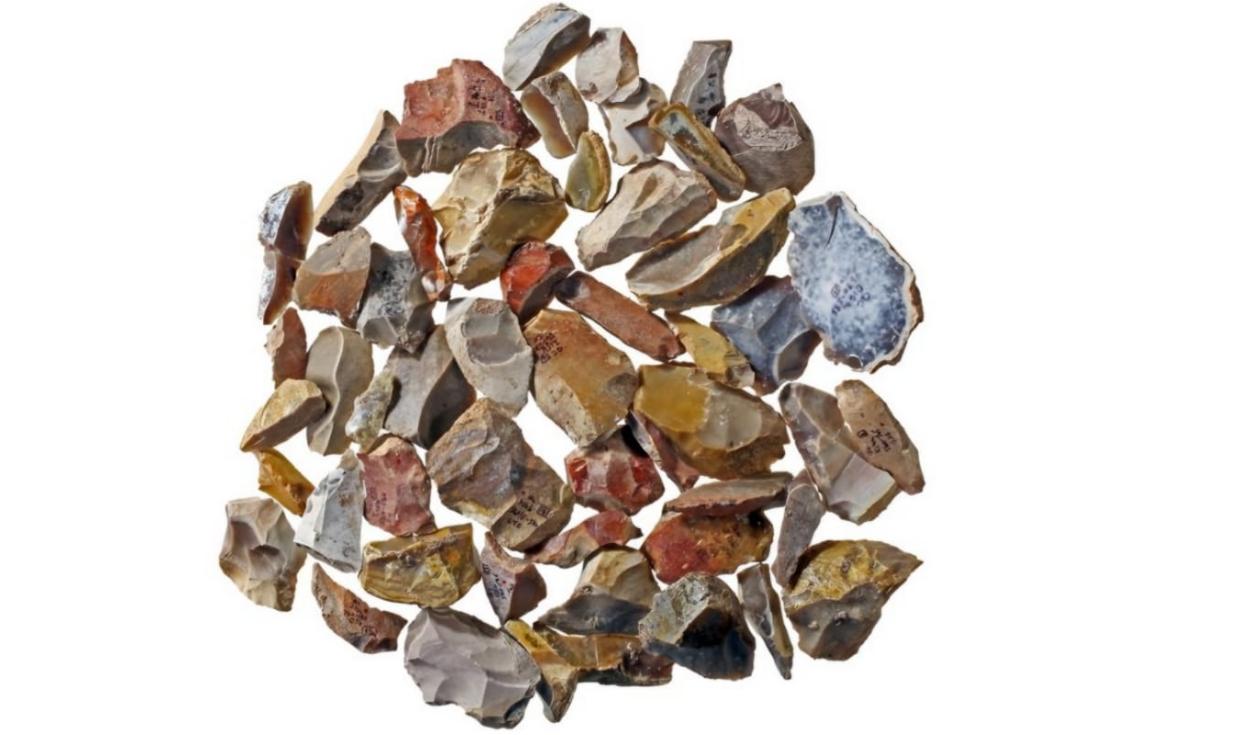
Archaeologists in Peru have uncovered an ancient burial complex roughly 600 years old containing the remains of 38 people along with numerous valuable artifacts, Fox News reported. One burial in particular has drawn the attention of researchers because the body was positioned in an unusual way that may point to a human sacrifice.
The tomb was found at Chan Chan, an ancient city built by the pre-Columbian Chimu civilization near Trujillo, about 563 kilometers north of Lima. Peru's Ministry of Culture announced the discovery earlier this autumn, saying the almost undisturbed burial complex had remained hidden for more than six centuries.
Three chambers, 38 burials
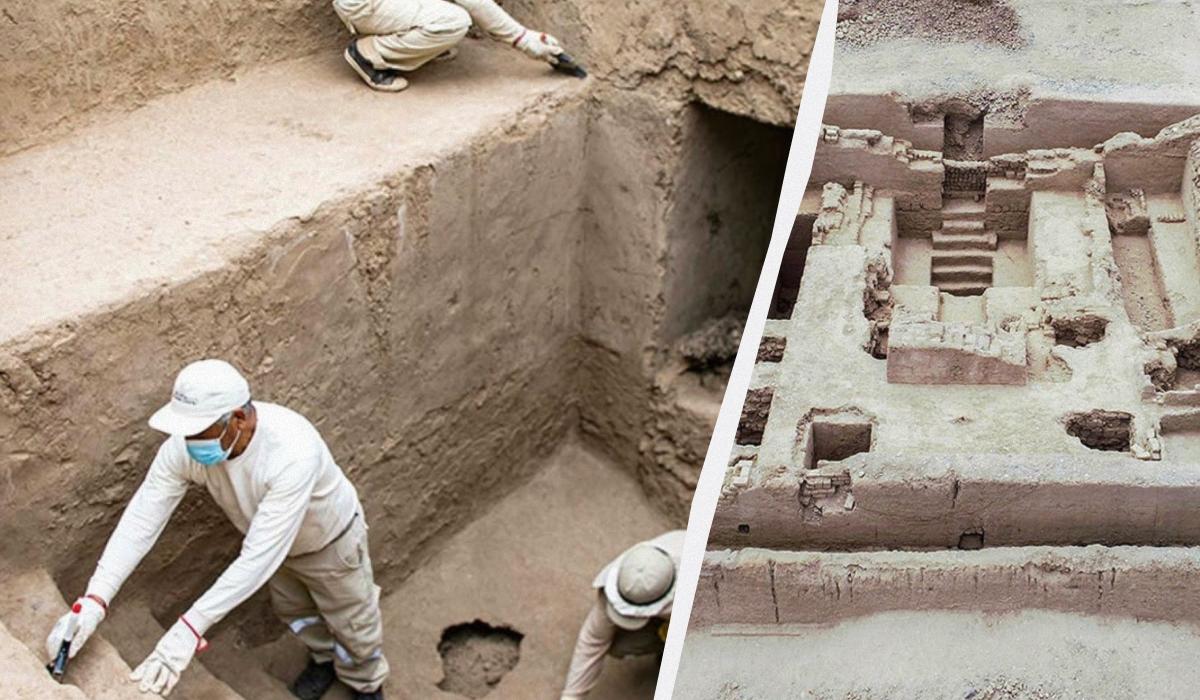
Photographs released by the ministry show a range of ancient ceramic pieces, including decorated pitchers and vessels shaped with molded figures. Other images show the complex from above, revealing a network of chambers, walls and staircases.
According to the ministry, the complex consisted of three chambers. A single person was buried in the central chamber, surrounded by objects made of shell and metal. A second chamber held weapons and metal emblems, while a third contained the remains of 20 people. In total, archaeologists found 38 burials across the site.
An unusual skeleton
One skeleton in particular caught researchers' attention. The person had been buried in an extended position, which is atypical for the Chimu culture, whose dead were usually buried in a bent or seated posture.
The ministry said in a statement that the unusual feature raises new questions about the circumstances of the person's death and has prompted researchers to consider several hypotheses, including the possibility of a ritual sacrifice or an extremely high social status compared with the other people buried at the site.
Among the burial goods, researchers found metal headdresses, earrings, necklaces, carved wooden boxes and ritual objects made from sea shells and quartz. Red pigment was also found on the heads of some of the buried individuals. Ministry representatives said the pigment was used exclusively in burials of the highest social classes in Andean civilizations.
Fragile remains, careful excavation
The ministry stressed that the remains are in a very fragile state and must be thoroughly documented before they can be removed. Because skeletal and organic remains have become extremely fragile after centuries of exposure to time and coastal humidity, scientific protocols require that no material be removed until it has been carefully studied and documented in its original context, the ministry said.
Researchers will first take hundreds of photographs to build a detailed three-dimensional model of the burial complex. Only after that will the remains and artifacts be carefully removed by hand.
A rare, undisturbed find
Jorge Meneses, an archaeologist with Peru's Ministry of Culture, said the find offers a rare chance to study Chimu burials that have barely been disturbed. He said earlier understanding of the civilization's elite burials was based mostly on burial platforms that had been looted and damaged since colonial times, which disrupted the archaeological context and sent valuable objects into museum and private collections.
Meneses said archaeologists now have the opportunity to study the people and artifacts exactly as they were placed inside the platform nearly 600 years ago.
Chan Chan was the capital of the Chimu civilization, which thrived on Peru's northern coast before being conquered by the Inca Empire in the 15th century. The city is recognized as one of the largest earthen cities in pre-Columbian America.
What comes next
The Ministry of Culture plans to publish the full results of the study in a forthcoming book, which is expected to reveal new details about the Chimu civilization and its burial traditions.
Peru, rich in archaeological heritage, regularly produces new discoveries. Last summer, utility workers laying a gas pipeline in Lima found a well-preserved female mummy about a thousand years old, buried just 51 centimeters below the surface. In August 2025, utility crews working on a separate gas pipeline project in Lima uncovered two tombs, also around a thousand years old, in a single day.