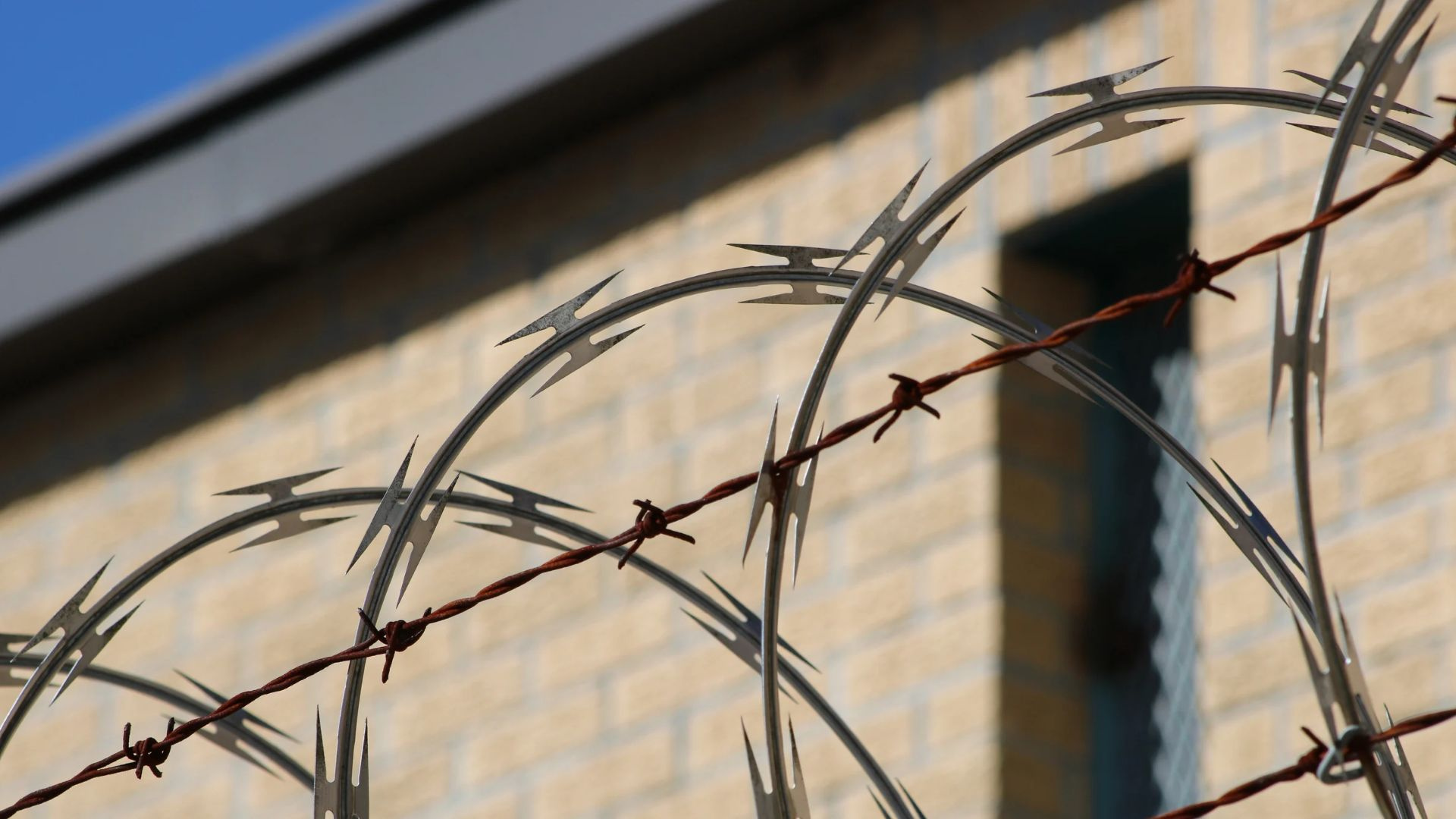
Pope Leo XIV has issued a new decree strengthening the Catholic Church's work in prisons around the world, creating a dedicated Vatican office to coordinate chaplains and volunteers, improve their training and help make prisons more humane places.
The document, a motu proprio titled "I Was in Prison and You Came to See Me" ("Estuve en la cárcel y vinisteis a verme"), names the Archbishop of Buenos Aires, Jorge Ignacio García Cuerva, as the first coordinator of the new service. A motu proprio is a decree issued by a pope on his own initiative to establish or reform Church structures and law.
José María Carod, head of the prison pastoral care department of the Spanish Episcopal Conference and chaplain at the Zuera prison in Zaragoza, northeastern Spain, described the announcement as "very, very good" in an interview on La Linterna de la Iglesia, a programme broadcast by the Spanish Catholic radio station COPE. He said he learned of the document's publication on the same day it came out.
Carod said the Pope had once again dignified people in prison, adding that no crime and no person, whatever they had done, should lose their dignity as a child of God.

Carod said the letter reaffirmed that prison pastoral care was part of the life of the Church, of its different communities and parishes, calling it "a wake-up call." He said Spanish chaplains had received the news with great interest and had been actively sharing it in their own groups, which he took as a sign of concern and of the Pope's intention to elevate the ministry.
A reference for other countries
Carod said prison pastoral care in Spain had become a reference point for many other countries, but insisted the Church would not rest on its laurels. He said the motu proprio placed emphasis on training priests and pastoral workers better and giving the ministry stronger theological grounding, calling it a reminder to the whole Church that prisoners are "the little brothers of Jesus."
No one, whatever they have done, should lose their dignity as a child of God, Carod said.
Carod said applying the plan in countries where human rights are violated was possible because the work belongs to the Church rather than depending on governments or politicians. He said it instead depends on the personal vocation and calling of each priest or volunteer. He stressed the importance of having, from Rome, a group for reflection and guidance that can support chaplains, who he said sometimes suffer loneliness, exhaustion and desolation.
A story of conversion in prison
Carod also shared the story of Joel, a young Argentine man who ended up in prison after taking on an easy job to help his father financially. He said that while imprisoned, Joel took part in a radio workshop and a retreat that helped him reconnect with the Jesus he had known as a child, leading him to ask for baptism.
Carod said Joel now works as a chef and regularly gets in touch to send him recipes and thank him for the support he received, writing in his messages that he will never forget what they gave him.
Carod said prison pastoral care acted as an "expansive wave" that reached not only prisoners but also victims, prisoners' families and victims' families, an impact he said often goes unnoticed by society.
Test yourself
What is the title of Pope Leo XIV's new decree?
Who was named coordinator of the new Vatican prison pastoral service?
Where is José María Carod a prison chaplain?
Where it happened
Zaragoza, Spain