


The Portuguese government will increase its ISP fuel tax discount next week by 0.11 cents per liter for diesel and 0.43 cents for petrol.
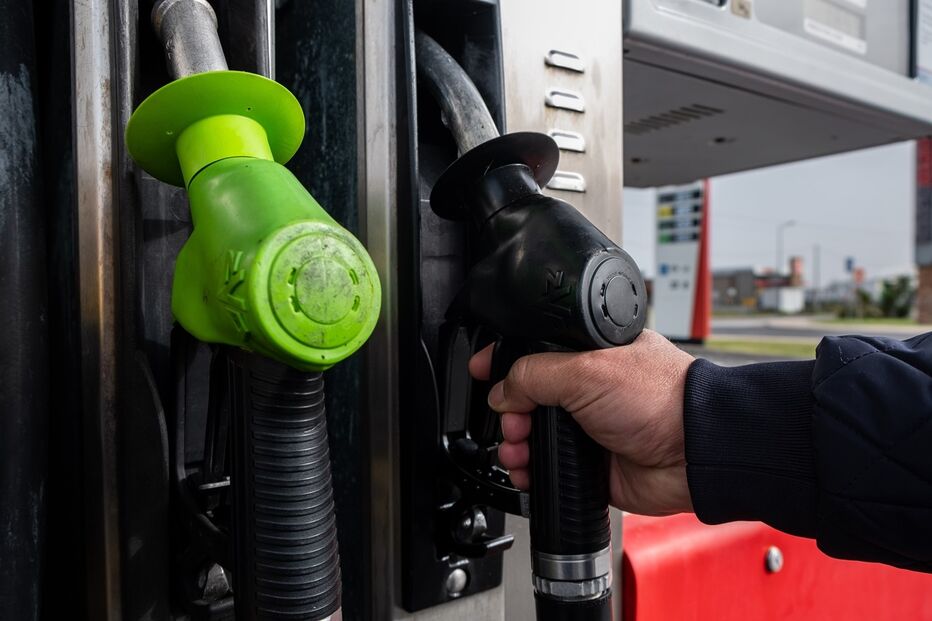
The measures were formally published on Friday in the government gazette Diário da República following forecasts of rising retail fuel costs. Official order documentation stated that the executive decided to adjust the extraordinary and temporary tax discount currently applied to road diesel and unleaded petrol in response to anticipated price hikes across mainland Portugal.
Under the revised temporary mechanism, the tax discount rate for road diesel will stand at 81.61 euros per 1,000 liters. The discount for unleaded petrol will be set at 53.98 euros per 1,000 liters.
Fuel Price Estimates and Retail Benchmarks
The tax adjustment comes as market bodies project significant increases at service stations next week. According to estimates provided to news agency Lusa by the National Association of Fuel Retailers, known as Anarec, diesel prices are expected to rise by about 3.5 cents per liter, while petrol is projected to increase by 2.5 cents per liter. The figures were calculated based on Thursday market closing prices.
The Automóvel Club de Portugal, the national motorist organization, reported identical price increase estimates for both fuel types.
Based on average prices calculated on Thursday by the Directorate-General for Energy and Geology, the average price for simple diesel is expected to reach 2.072 euros per liter next week. The average price for simple 95 petrol is projected to rise to 1.989 euros per liter.
Industry figures note that final daily averages remain subject to changes in international crude oil prices before closing. Final costs paid by drivers at the pump will also vary depending on the individual service station, fuel brand, and location.
Global Energy Markets and Supply Disruptions
Domestic fuel costs in Portugal continue to be heavily influenced by international geopolitical events. Current market pressure stems from the war in Iran and broader geopolitical tension across the Middle East.
Tensions in the region have led to the closure of the Strait of Hormuz, a critical maritime passage that handles 20 percent of global oil and natural gas trade. Supply constraints along this shipping corridor directly affect refined product benchmarks across European consumer markets.
Portuguese Energy Taxes and Regulatory Framework
The Tax on Petroleum and Energy Products, known locally as the ISP, is a key component of retail fuel prices in Portugal alongside value-added tax. The government uses temporary adjustments to the ISP mechanism to offset sharp swings in international oil markets and mitigate the direct impact on consumers.
Retail prices across mainland Portugal are monitored daily by the Directorate-General for Energy and Geology, which collects data from registered refueling stations. Official estimates from retailer groups such as Anarec and motorist bodies like the Automóvel Club de Portugal provide consumers and commercial fleets with advance warnings of weekly price adjustments.


