Reina Sofía University Hospital in Córdoba has integrated routine Doppler ultrasound testing directly into its Vascular Neurology consultations to improve stroke detection and patient care. The change enables clinical evaluations and blood vessel examinations to take place during a single medical appointment, eliminating the need for patients to schedule extra hospital visits or make additional journeys.
The streamlined diagnostic service is primarily intended for individuals who have suffered a stroke or a transient ischaemic attack, often referred to as a mini-stroke. It also serves patients with broader cerebrovascular conditions or vascular risk factors who require specialized medical monitoring.
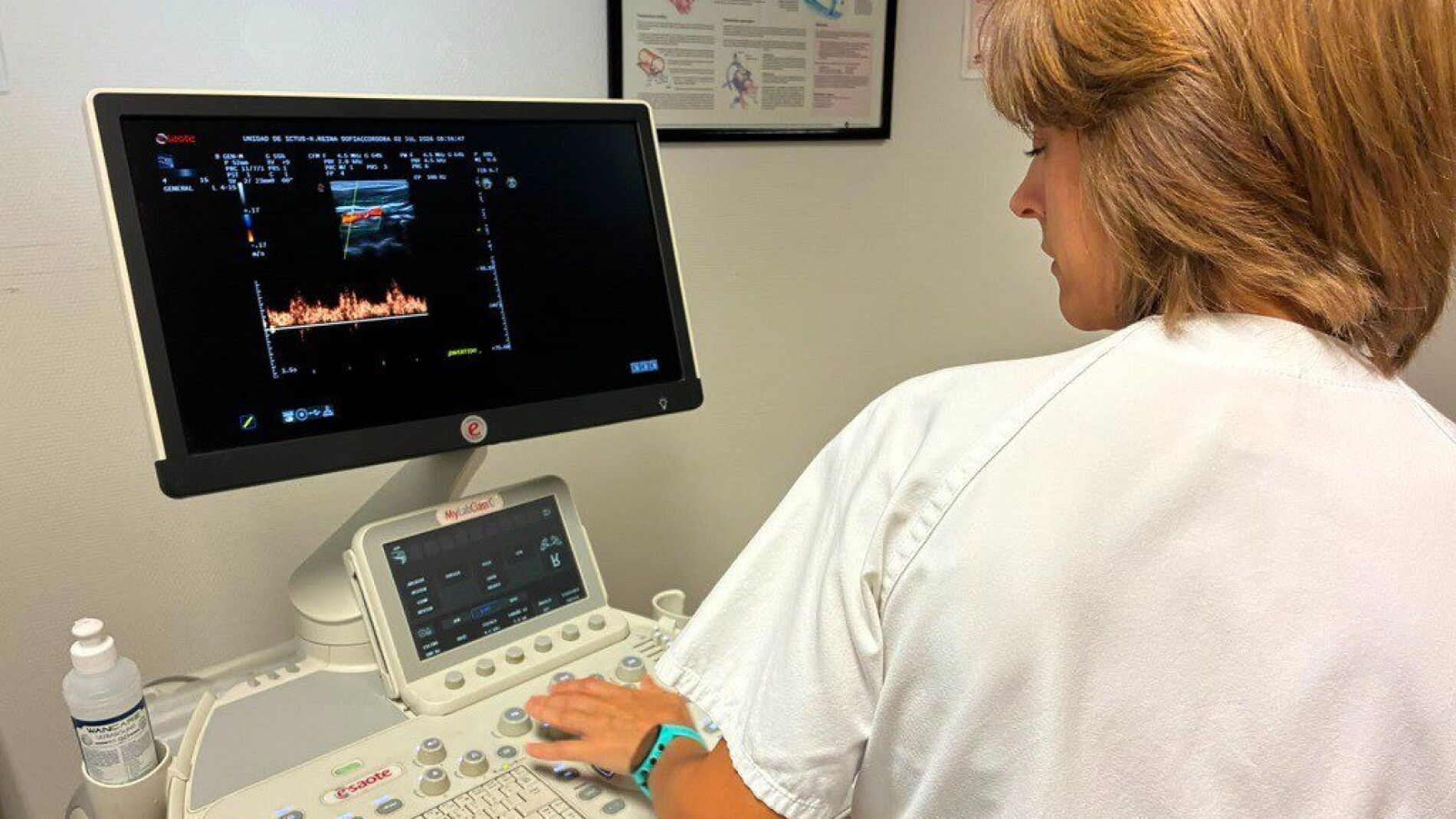
Hospital Universitario Reina Sofía is a major public teaching hospital located in Córdoba, a city in the southern Spanish region of Andalusia. Although the hospital's Neurology Service has a consolidated history in neurosonology, ultrasound scans were previously conducted separately rather than offered as a routine component of regular neurology consultations.
Diagnostic benefits in neurology visits
María José Álvarez, head of the hospital's Stroke Unit, said Doppler ultrasound imaging allows specialists to detect arterial stenosis or narrowing, blood vessel occlusions, and other abnormalities that elevate the risk of a first stroke or cause a recurrence.
Álvarez noted that conducting scans during routine appointments allows neurologists to assess patient data immediately. The instant availability of results helps specialists decide during the visit whether to expand diagnostic studies, adjust medication regimens, or alter the frequency of follow-up appointments.
Doppler ultrasound is a safe, painless, and non-invasive procedure that uses high-frequency sound waves to measure the velocity and direction of blood flow through blood vessels. In vascular neurology, doctors combine two complementary forms of the scan to evaluate blood supply to the brain.
Supra-aortic trunk Doppler scans inspect the carotid and vertebral arteries situated in the neck, which carry oxygenated blood toward the head. Transcranial Doppler scans examine blood circulation within the primary blood vessels inside the brain itself.
Preventing repeat strokes and risk management
For patients who have already experienced a stroke, identifying the condition of their arteries is a decisive factor in evaluating the risk of another episode occurring. The test also pinpoints vascular abnormalities in patients who have not suffered a cerebrovascular accident but possess risk factors that require closer supervision.
The Stroke Unit at Hospital Reina Sofía treats approximately 1,000 patients every year. Bringing ultrasound technology directly into Vascular Neurology consultation rooms simplifies the patient journey through the facility while equipping doctors with crucial information during clinical evaluations.
Hospital specialists emphasized that effective stroke care relies on seamless coordination across multiple emergency and hospital departments. When a stroke occurs, the care chain begins with outpatient emergency personnel and Spain's 061 medical emergency helpline, before continuing into the hospital's emergency and neurology units.
Depending on the patient's medical condition, care teams may also involve specialists from neuroradiology, intensive care units, rehabilitation services, and other medical disciplines.
Emergency protocols and daily prevention
To streamline emergency responses, the hospital utilizes an emergency protocol known as the Stroke Code, or Código Ictus. Activating the protocol from the initial alert coordinates all necessary resources and notifies the hospital of an incoming stroke patient, enabling staff to prepare diagnostic equipment and shorten treatment times.
A major focus of ongoing care at the Córdoba medical facility is preventing secondary strokes. Specialists at Reina Sofía stressed that preventing repeat episodes requires strict, daily management of cardiovascular risk factors.
Neurologists and medical specialists at the hospital reminded patients of the vital importance of keeping high blood pressure, diabetes, and cholesterol levels under control on a daily basis.