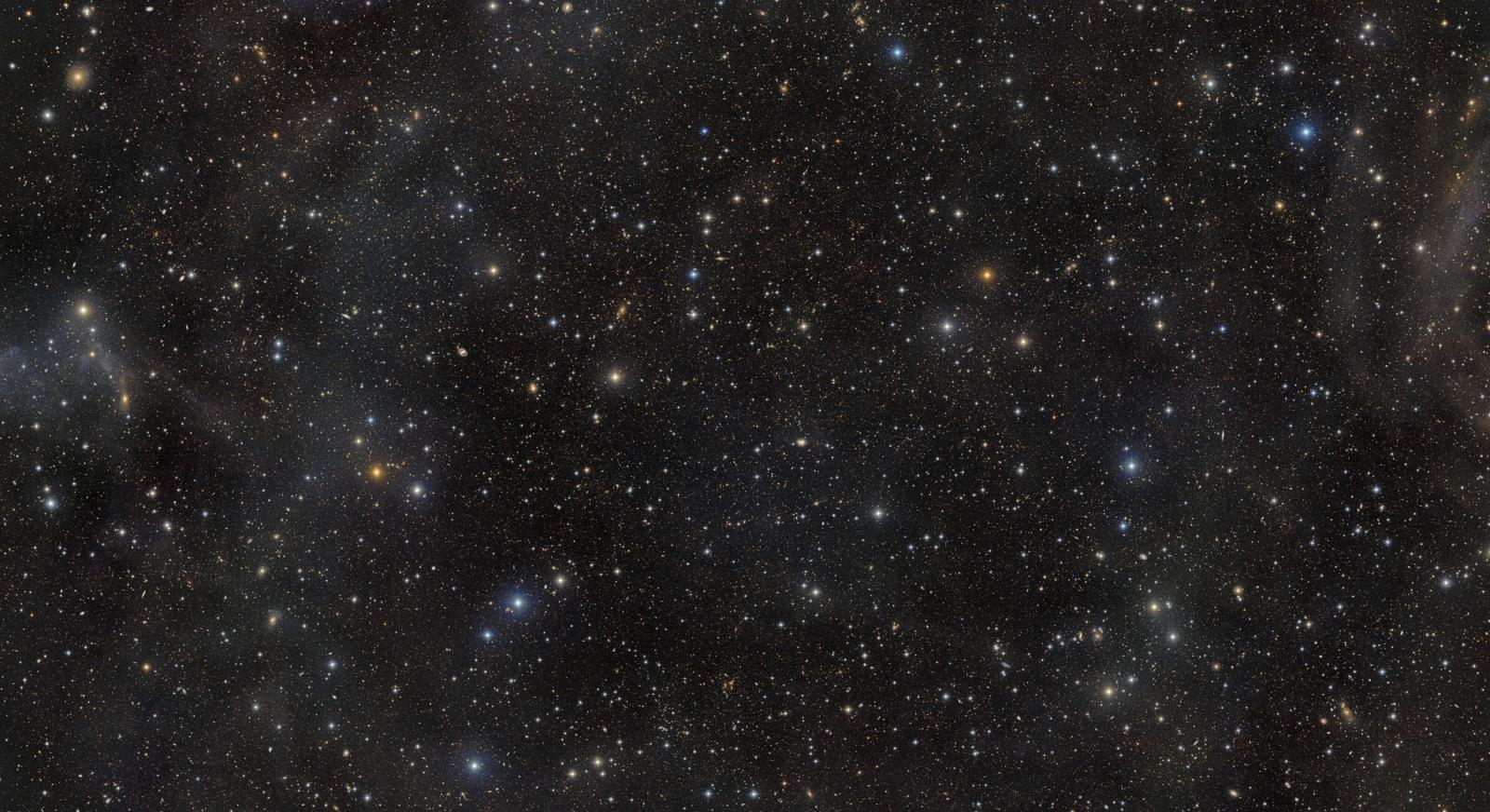
The Vera C. Rubin Observatory has released its first scientific image, captured with the LSST Camera, the world's largest digital camera, showing more than 500,000 galaxies and over 50,000 stars in a single frame.
The image covers the COSMOS field, a region of sky that astronomers have studied since 2003, when the Hubble Space Telescope first began observing it. Over two decades, dozens of major observatories have examined the area across the full spectrum from radio waves to X-rays, making it one of the primary reference fields for comparing astronomical data.
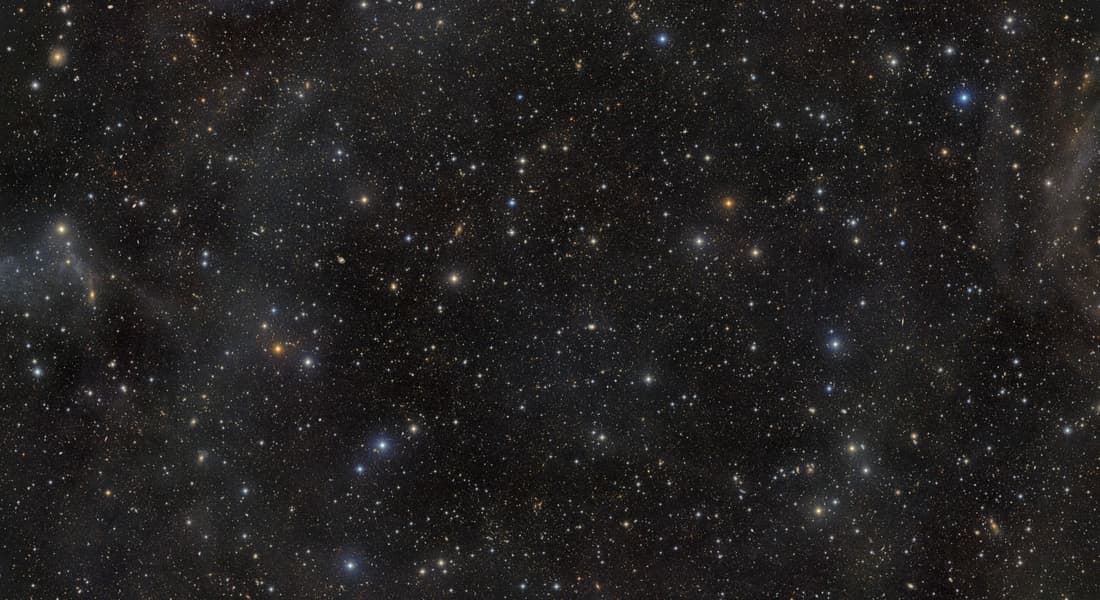
The image was built by combining hundreds of individual observations of a region located far from the plane of the Milky Way, where relatively few stars and little interstellar dust obstruct the view of distant galaxies. Light from those galaxies has traveled billions of years to reach Earth; the farther an object is, the earlier the era of the universe it represents.
The Rubin Observatory adds capabilities that earlier studies of the COSMOS field lacked: a combination of deep imaging, a wide field of view, and regular repeat observations. That combination will allow astronomers not only to study the structure of remote galaxies but also to track changes such as the appearance of supernovae and other short-lived cosmic events.
The release accompanies Early Data Preview 2 (EDP2), the first public demonstration of science data from the LSST Camera, covering observations made between April 2025 and January 2026. The catalog encompasses combined images of roughly 3,000 square degrees of sky, about one-sixth of the entire visible southern sky.
The full Legacy Survey of Space and Time (LSST), a 10-year program, has only recently begun, so EDP2 is not a main data release. Researchers can use it to test data-processing methods and prepare analysis tools ahead of the full survey. A second phase of EDP2, expected between October and December 2026, will publish individual-observation data including images that reveal changes detected by comparing frames taken at different times.
Access to the data is already open to scientific organizations in the United States, Chile, and international project partners. The data is set to become publicly available in two years.