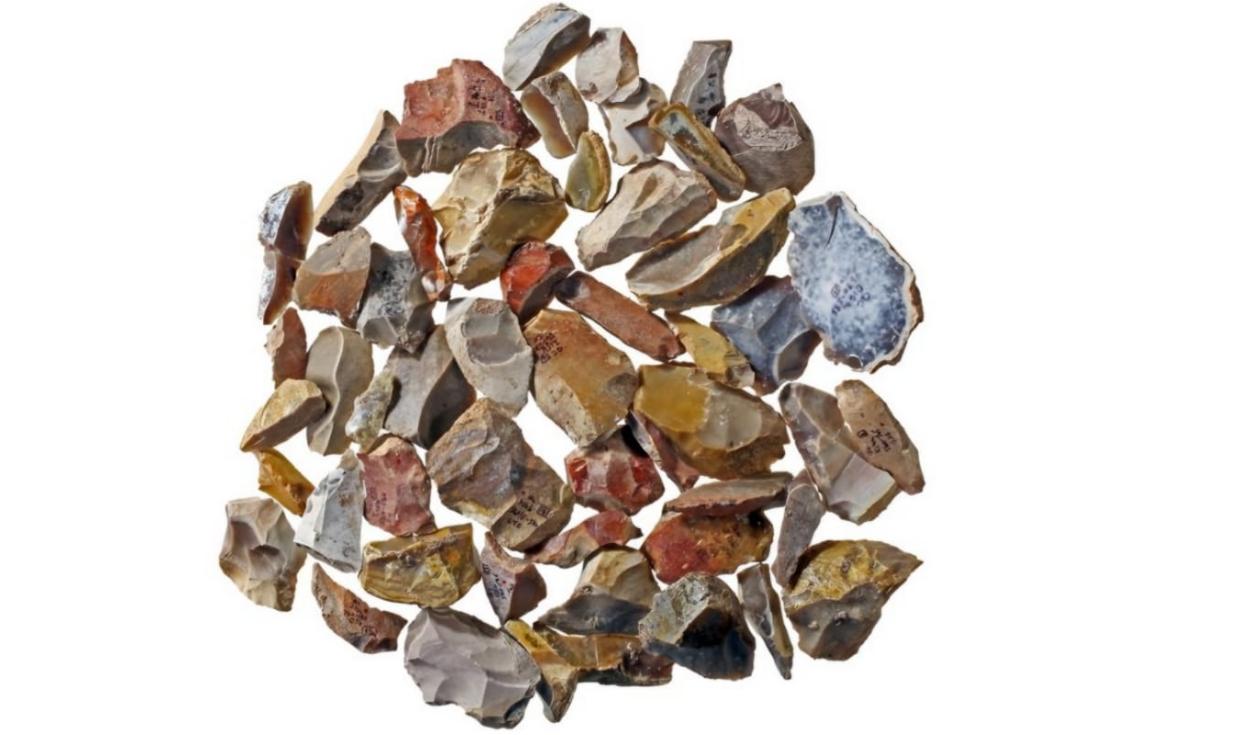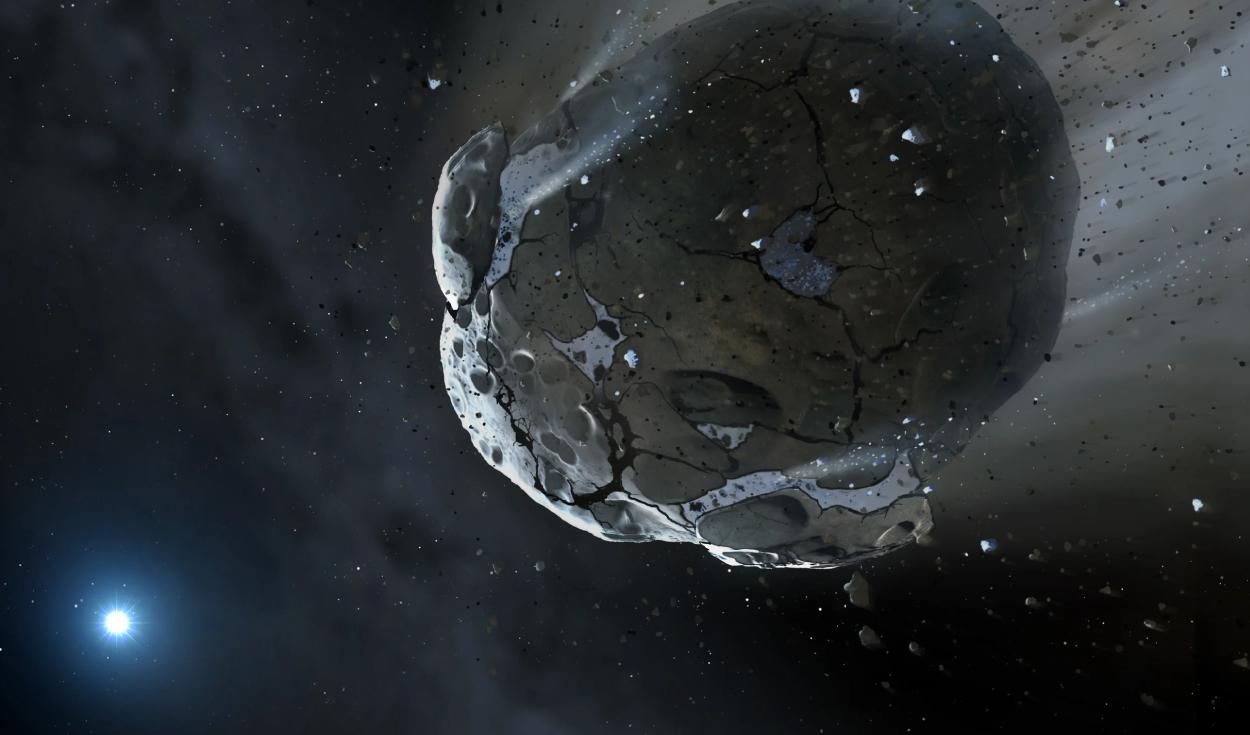
A team of scientists has identified chemical signatures of an ancient water reservoir in the Kuiper Belt, the icy region that extends beyond Neptune. The discovery came from analyzing 12 tiny grains of cosmic dust collected in Earth's stratosphere by NASA aircraft. The water itself disappeared billions of years ago, but minerals in the particles preserved an isotopic fingerprint that reveals its original composition and offers new clues about conditions in the early solar system.
The research, led by Lindsay Keller of NASA's Johnson Space Center, provides evidence that the outer solar system held a water reserve with characteristics distinct from materials found closer to the Sun. The findings, published in the journal Science Advances, also suggest that Saturn and the giant planets may have helped keep these materials isolated during the formation of the planets, roughly 4.5 billion years ago.
The Kuiper Belt is a vast, frigid band of icy bodies and dwarf planets, including Pluto, that lies beyond Neptune's orbit. Science Advances is a peer-reviewed, open-access journal published by the American Association for the Advancement of Science.
How researchers traced the dust to the Kuiper Belt
The samples Keller's team analyzed were 12 particles between 10 and 30 micrometers in diameter, recovered from atmospheric material using NASA's high-altitude aircraft. Determining where the particles came from was one of the study's biggest challenges, since such fragments can easily be mistaken for dust that originated in other parts of the solar system.
To solve that problem, the researchers examined microscopic marks left by energetic particles from the Sun on the crystal structures of the minerals. The longer a grain has been exposed to interplanetary radiation, the more of these marks it accumulates. The samples showed a density of marks roughly 100 times higher than what would be expected in dust from the asteroid belt or from Jupiter-family comets, a pattern consistent with a far more distant origin, such as the Kuiper Belt.

A further clue came from the grains' composition. The researchers found the particles contained about four times more carbon than certain carbonaceous meteorites. In addition, they detected hydrated minerals that revealed an ancient interaction between liquid water and rocky material.
What the chemistry of the water reservoir revealed
Among the minerals identified were saponite and serpentine, two types of clay that form through chemical reactions between water and rock. Their presence indicates that the bodies these particles originally came from held liquid water at some point in their history.
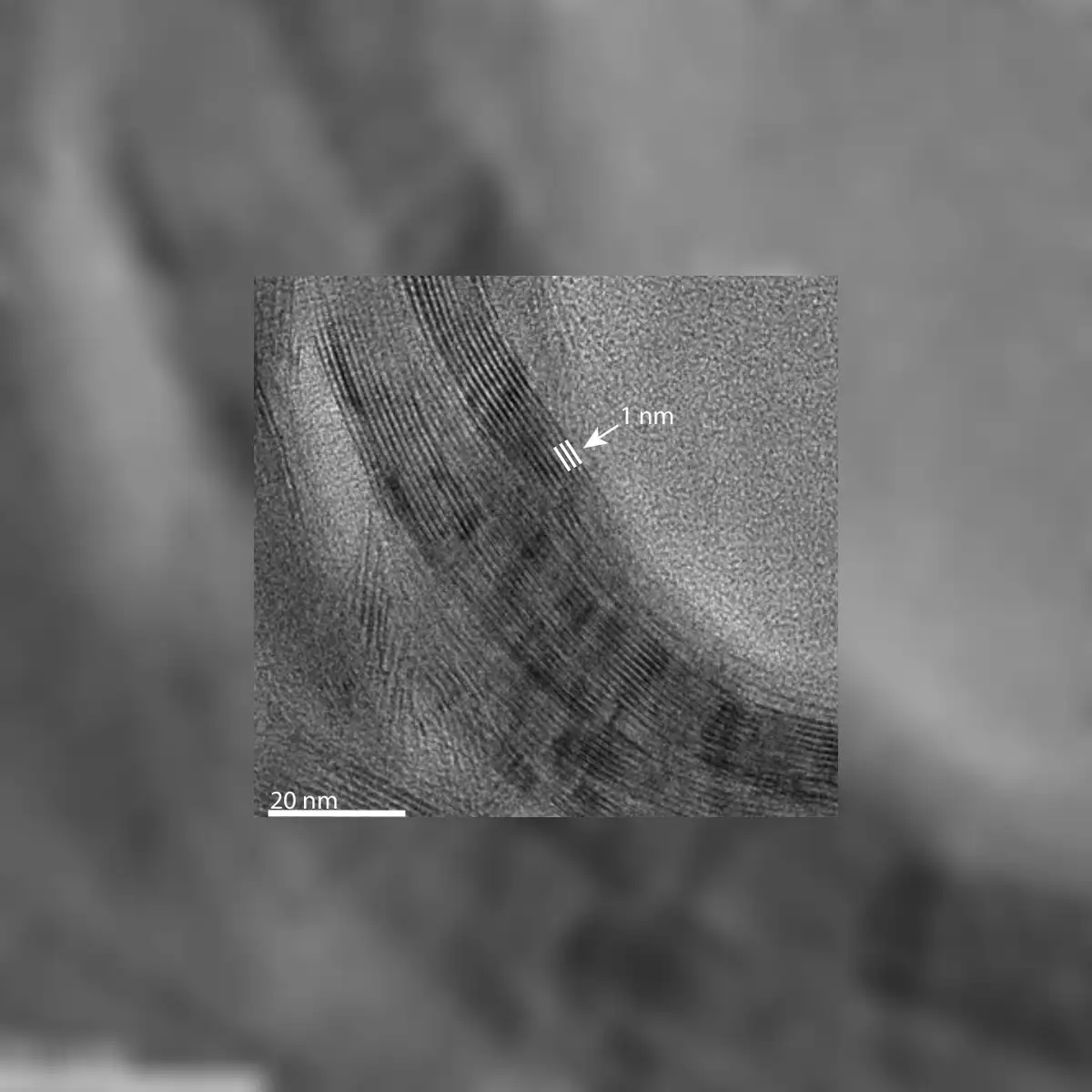
The most telling evidence came from oxygen isotopes. The researchers found an unusual enrichment of the heavier varieties, oxygen-17 and oxygen-18. Working from the reactions that produced the hydrated minerals, they reconstructed the composition of the water involved in that process.
The signal they obtained differs from the one associated with water found in carbonaceous meteorites. That distinction supports the existence of an independent reservoir in the outer solar system, one whose chemical makeup stayed relatively isolated from material in the inner regions.
Saturn's possible role in preserving primitive water
The researchers propose that Saturn may have played an important part in preserving this reservoir. According to models of the early solar system, the planet would have created a buildup of pressure in the disk of gas and dust that surrounded the young Sun. That structure could have slowed or blocked the movement of material toward the inner regions.
Together with the ice giants, Saturn would have helped keep substances in the outer solar system separated from those closer in. Meanwhile, radioactive decay and heat generated by collisions could have raised the internal temperature of some icy bodies enough to melt the ice and drive the reactions that formed the hydrated minerals.