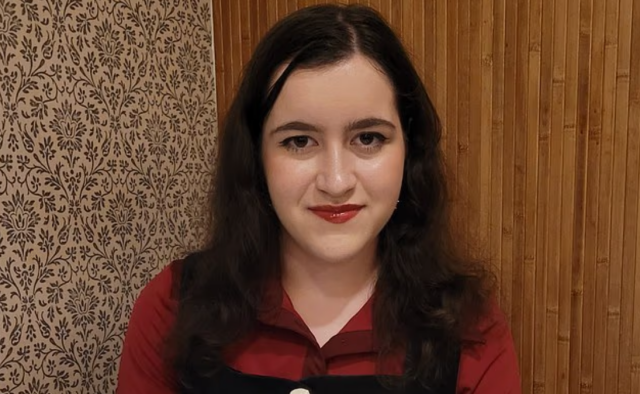
Ukraine's 425th Separate Assault Regiment Skelia has been placed under the operational command of the Azov National Guard corps, a decision praised by serviceman Andriy Onistrat as a vital step toward resolving recent command scandals.
Speaking on the War Money podcast produced by Ukrainian news outlet LIGA.net, the former banker and current military officer described the command decision as a brilliant move that will defuse social tension surrounding recent investigations into the unit.
Onistrat said the coordination of the unit will be handled by highly experienced leadership. He highlighted Azov commander Denys Prokopenko, widely known by his call sign Redis, describing him as an icon of the Ukrainian army and calling the new command structure an ideal outcome for military operations.
Drawing a parallel to high-level leadership changes in Kyiv, Onistrat compared the command transfer to President Volodymyr Zelensky appointing Yevhen Khmara as acting defense minister in place of Mykhailo Fedorov. He noted that Khmara similarly holds status as a respected figure in the war against Russian forces.
Media Investigations and Soldier Abuse Allegations
The command change follows months of public scrutiny after Ukrainian investigative outlets Babel and Slidstvo.Info published detailed reports alleging severe mistreatment and torture of soldiers within the Skelia regiment. Physical violence inside military units during wartime undermines mutual trust among service members, reduces overall combat efficiency, and impairs the ability of front-line units to carry out military missions.
Onistrat explained that the period of uncertainty surrounding Skelia's chain of command after the media scandals directly affected front-line combat dynamics. He stated that the lack of clear subordination contributed to deteriorating positions for the Armed Forces of Ukraine and increased Russian military pressure around Kostiantynivka in Donetsk region, where Skelia held primary defensive responsibilities.
Background on the Restructuring and Front Line Units
The Azov formation originated as a volunteer battalion following the outbreak of conflict in eastern Ukraine in 2014 before being integrated into the National Guard of Ukraine as a specialized combat corps. Commander Denys Prokopenko gained widespread prominence for leading the defense of the southern port city of Mariupol and the Azovstal iron and steel works during the 2022 Russian siege. Meanwhile, Kostiantynivka serves as a key strategic node and logistical hub in Donetsk region, supporting Ukrainian defensive operations across the Donbas theater.
Onistrat previously commented on the controversy in July following the release of Babel's initial investigative report. He noted at the time that while the article achieved top readership rankings online, public exposure of military violations damaged public morale and hindered efforts to recruit new soldiers into the armed forces.
Reassignment of Personnel and Operational Status
On August 7, representatives of the Skelia regiment confirmed that a portion of its soldiers were being transferred to other military units. However, unit leadership firmly denied reports that the assault regiment was being disbanded.
On August 13, the regiment officially announced its transition under the operational command of the Azov corps. Military officials clarified that Skelia has not been incorporated into the administrative structure of the National Guard's Azov corps, explaining that the subordination was executed strictly on a territorial basis depending on combat positions held along the front line.