Spanish Prime Minister Pedro Sánchez has appointed Minister Ángel Víctor Torres as central government coordinator to manage the escalating crisis in the North African enclave of Ceuta, following a massive border entry three weeks ago on July 30.
Sánchez returned from vacation to face criticism over his administration's handling of the situation, which has evolved into a national security issue. In response, the Spanish government announced a comprehensive recovery plan for Ceuta aimed at addressing economic damage and border management.
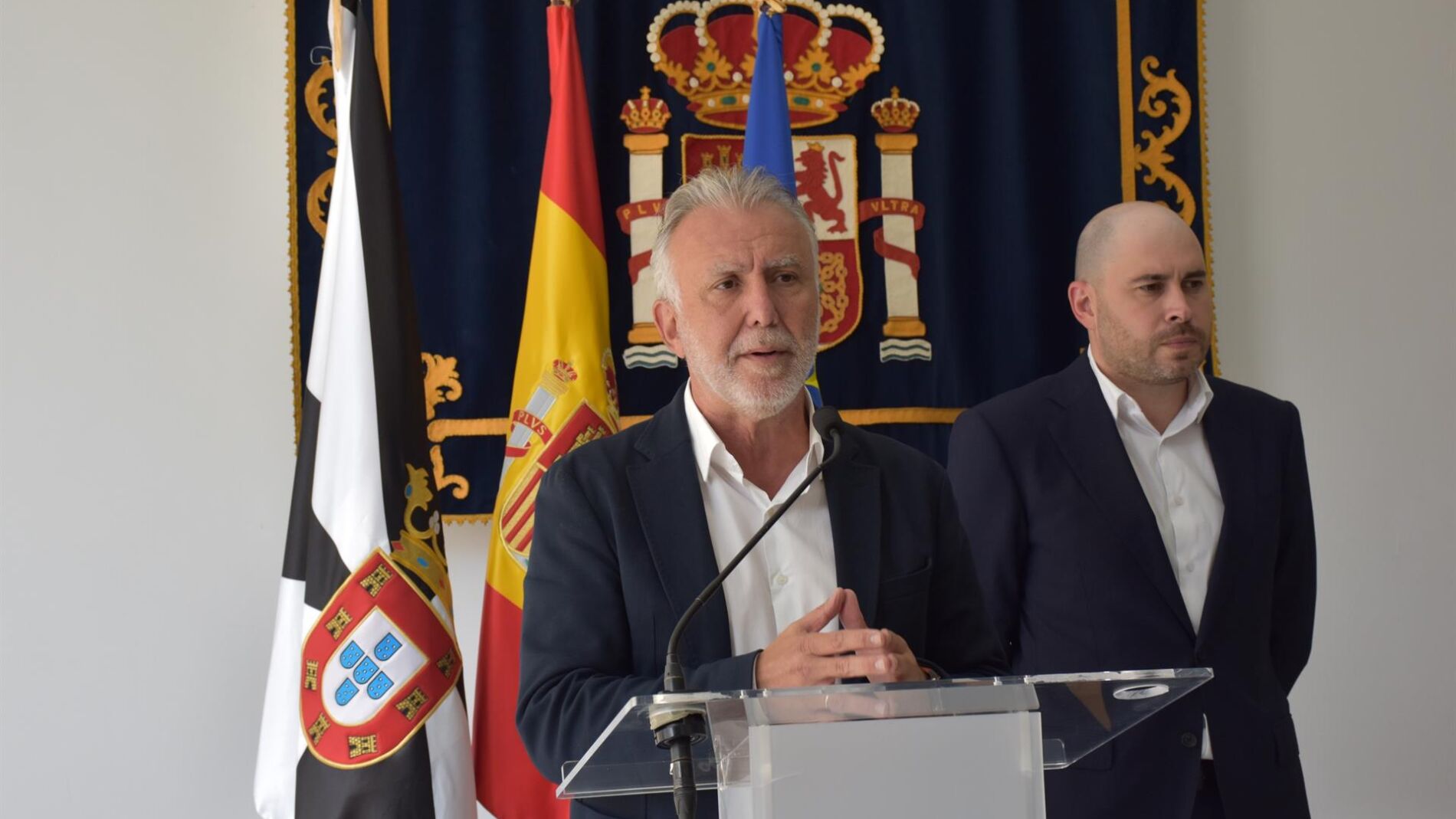
According to an editorial published by Spanish news outlet La Razón, half of the Council of Ministers made public appearances regarding the emergency, but actual operational management remained limited. The report highlighted that key government departments struggled to coordinate an effective response.
The Ministries of Interior, Defense, and Foreign Affairs provided only partial explanations of their actions, with each department working to delimit its own responsibilities and shift peripheral duties away from its purview. Coordination across ministries continued to display improvisation three weeks after the initial border crossing.
Moncloa, the headquarters of the Spanish presidency in Madrid, initially promised swift returns of individuals who crossed the border. However, officials encountered legal obligations concerning thousands of migrant minors present in the city, a reality the executive knew from the outset of the crisis.
Challenges in Border and Regional Policy
Spanish legal frameworks require strict protections for unaccompanied minors, precluding immediate deportations without legal process. As a humanitarian measure, the central government proposed transferring 500 female minors from Ceuta to mainland Spain, known as the Peninsula.
However, youth reception centers across mainland Spain are fully saturated. Regional governments across Spain's autonomous communities have explicitly warned central authorities that they will not accept additional migrants into their local care systems. Under Spain's constitution, autonomous communities hold jurisdiction over social care and child welfare.
Ceuta, a Spanish autonomous city situated on the North African coast bordering Morocco, has borne the financial brunt of the emergency. Local business activity, commercial trade, and tourism have suffered severe downturns, with economic indicators suggesting a prolonged crisis.
Doubts Over Government Recovery Guarantees
The announcement of a comprehensive recovery plan for Ceuta has drawn skepticism from local residents and business owners. Critics described government assurances as empty promises, citing previous central responses to regional emergencies across Spain.
Similar discontent over delayed central assistance occurred in La Palma following the 2021 volcanic eruption, in Valencia after destructive DANA storm flooding, in Castilla during severe wildfires, and in Lorca following a major earthquake in 2011.
The appointment of Torres as dedicated interministerial coordinator reflects an acknowledgment that previous coordination under direct presidential supervision was ineffective. Torres will now attempt to align ministry operations as Ceuta seeks recovery.