The Official College of Veterinarians of Badajoz president José Marín Sánchez has called for an 80 percent livestock vaccination rate to stop bluetongue virus. Official data released by the Spanish Ministry of Agriculture confirms that cases of the viral pathology have now been recorded across 13 Spanish provinces.
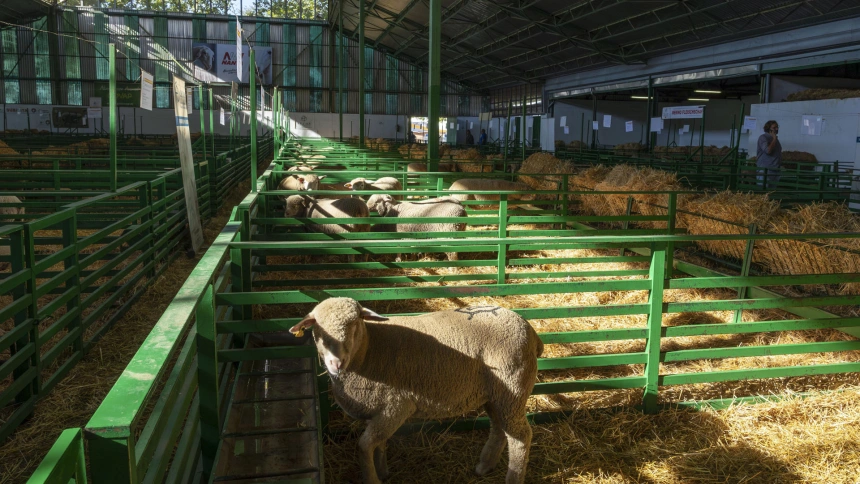
Speaking during the Economics Classes segment of the La Linterna radio broadcast on Spanish network Mediodía COPE with presenter Ángel Expósito and economic expert Pilar García de la Granja, Sánchez warned of the severe impact facing livestock producers. He noted that bluetongue is an incurable viral disease transmitted by insect vectors, presenting far greater containment challenges than bacterial livestock outbreaks such as the bovine brucellosis outbreak detected in Alburquerque, a town in Badajoz province.
Severity of impact on livestock
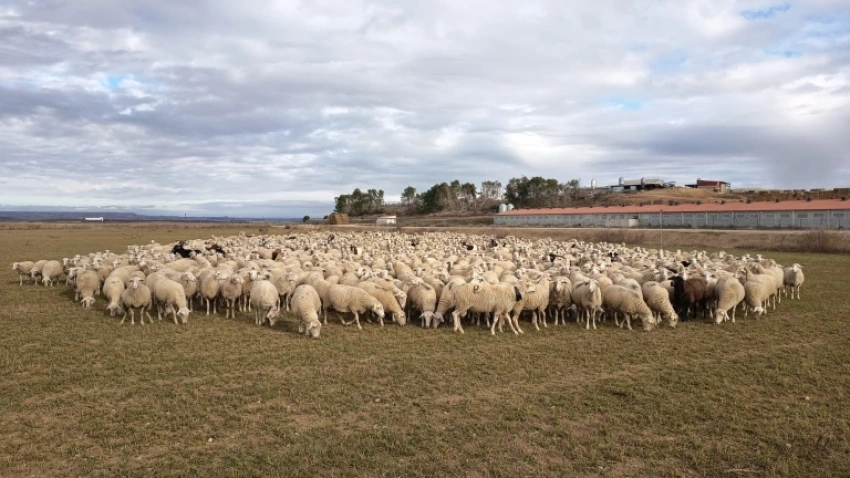
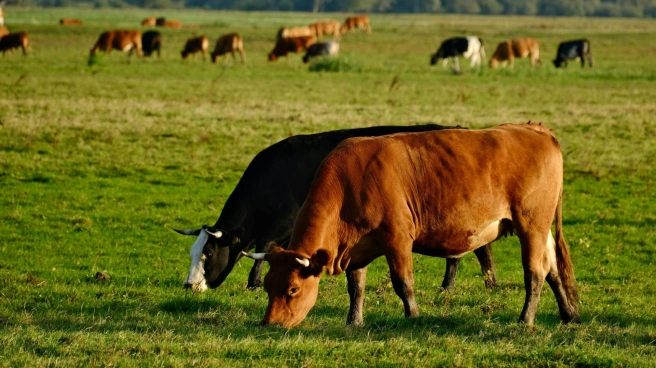
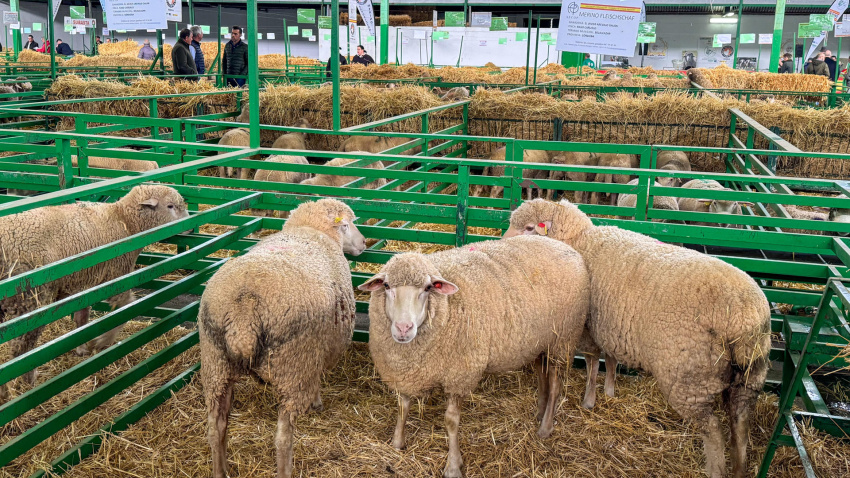
During his analysis, Sánchez detailed that the pathogen does not affect all species within Spanish livestock herds with equal severity. Sheep suffer the most catastrophic consequences, enduring high mortality, abortions, and severe clinical illness, whereas cattle and goats experience significantly milder symptoms.
Despite cattle and goats acting as carriers of the pathogen, Sánchez emphasized that the virus poses no risk to human health or food consumption. He offered reassurance that the infection cannot be transmitted to humans through contact or agricultural products, though affected farms face substantial financial losses.
The ongoing agricultural crisis has drawn widespread concern from rural producers across Spain. In Salamanca, a province in the autonomous community of Castile and León, local cattle breeder Rocío publicly questioned why rural communities remain neglected while mothers in her village are forced to travel 20 kilometers to take their children to daycare. Similarly, in the northern region of Cantabria, local agricultural authorities have warned that the disease putting cattle in check requires additional protective measures and that farmers must not lower their guard.
Climate change and mosquito vectors
The rapid spread of the pathogen is driven by changes in vector insect behavior brought on by global climate change. Environmental shifts that reduce agricultural yields have allowed the transmitting mosquito species to establish permanent habitats within Spain rather than relying on seasonal wind currents from Africa.
Sánchez explained that an earlier bluetongue outbreak in Spain in 1956 was successfully eradicated because mosquitoes made only temporary incursions into Spanish territory. Since the virus re-emerged in 2004, the vector species has adapted to live permanently in Spain and expand into higher northern latitudes.
Sánchez added that extended periods of warm weather now permit the insects to remain active nearly year-round, reaching peak transmission levels during September and October.
Urgent need for mass vaccination
Epidemiological experts stress that mass vaccination constitutes the only real preventive tool against bluetongue, drawing comparisons to emergency measures implemented against Newcastle disease outbreaks on poultry farms in Segovia. Prevailing immunization levels remain critically low across Spain, with sheep achieving only 30 to 40 percent coverage last year and cattle reaching just 6 percent.
The consequences of low coverage were highlighted by shepherd Raquel de Paderne, who described her agricultural season as chaotic after choosing not to vaccinate her herd and subsequently suffering severe animal losses.
Because external insect repellents are completely impractical for extensive grazing livestock in open fields, Sánchez urged public administrations to expand educational efforts. He concluded that Spanish livestock farms must reach an immunization rate of at least 80 percent to effectively halt the transmission of the virus.