Eight men suspected of supplying drug-trafficking speedboats in the Tagus River have left Portugal after a Public Prosecutor's Office investigation stalled for a year.
The group, made up of seven Spanish citizens and one Colombian national aged between 18 and 52, returned to their home countries after prosecutors failed to carry out any investigative procedures following their initial arrest.
Maritime Police officers detained the suspects during a pursuit at the mouth of the Tagus River one year ago. The pursuit began after the crew failed to obey an official order to stop their vessels.
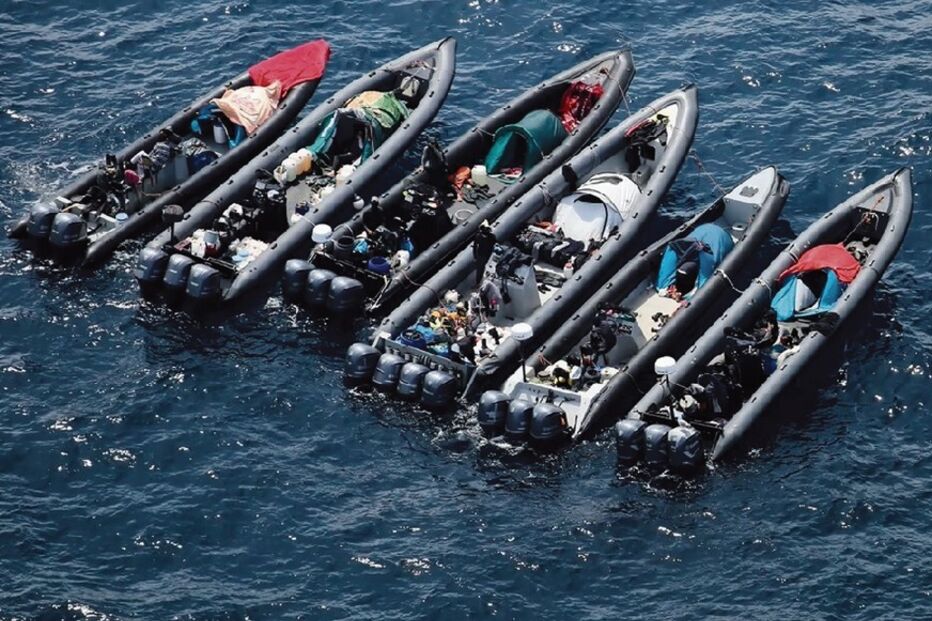
Officers seized two speedboats during the operation. Each boat was equipped with four engines producing more than 300 horsepower, designed for high speeds along coastal waters.
The confiscated speedboats are currently being used by Portuguese authorities, including the Maritime Police, to support operations against drug trafficking.
River chase and vessel seizure
The Tagus River is the longest river on the Iberian Peninsula, flowing across Spain and Portugal before emptying into the Atlantic Ocean near Lisbon. Its wide estuary provides direct access to international maritime shipping lanes, making the waterway a key area for coastal surveillance.
High-powered speedboats, frequently referred to as narco-boats, are commonly deployed by smuggling networks to transport illegal narcotics or supply fuel and provisions to trafficking vessels operating off the coast.
Stalled criminal investigation
Despite the seizure of the high-powered vessels and the detention of the crew, no procedural steps or investigative measures have been taken by prosecutors since the operation occurred.
The Public Prosecutor's Office is the constitutional authority in Portugal responsible for conducting criminal prosecutions and directing law enforcement inquiries. With the investigation remaining inactive inside the department, all eight suspects were allowed to leave the country.
The Maritime Police, operating under Portugal's National Maritime Authority, continues to utilize the two captured vessels in regular anti-trafficking patrols, while the criminal case against the former detainees remains completely unadvanced.