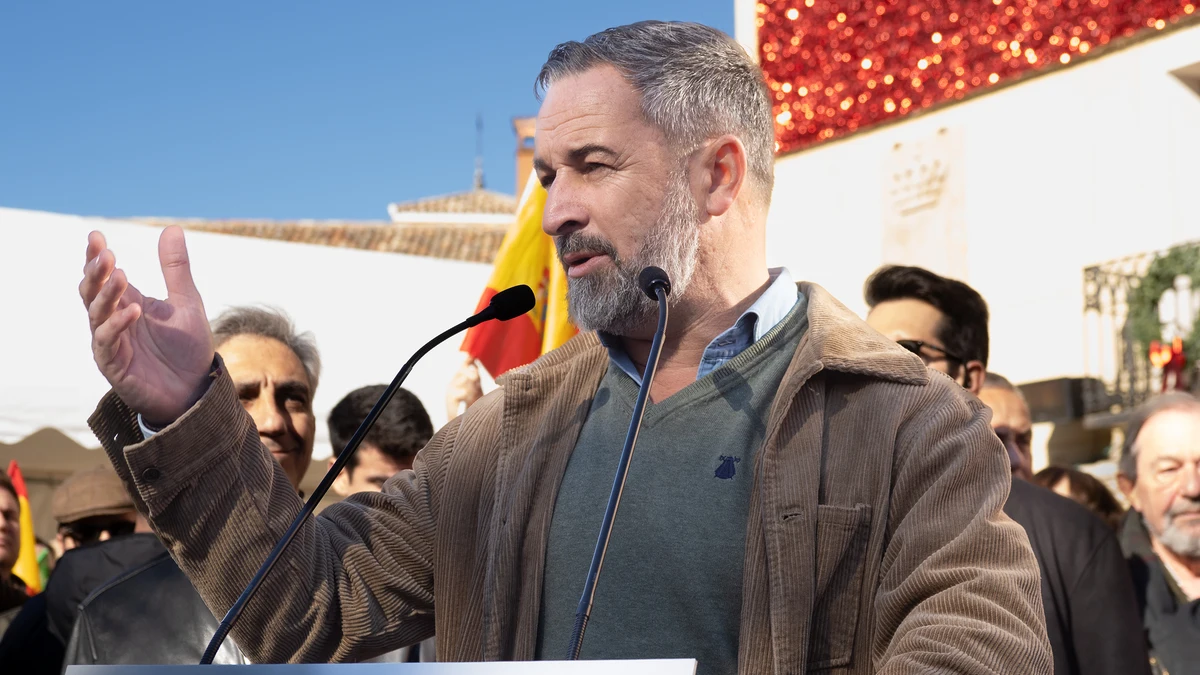
Santiago Abascal, Vox's candidate for prime minister, wrapped up his party's campaign for Spain's November 29 general election projecting a more institutional and presidential image, according to party sources, while largely avoiding direct confrontation with the Popular Party.
Abascal visited 35 provinces during the campaign and set what he called a personal record for media appearances, he said on Friday in Tarancón, in the province of Cuenca, before heading to Valencia for the campaign's closing event.
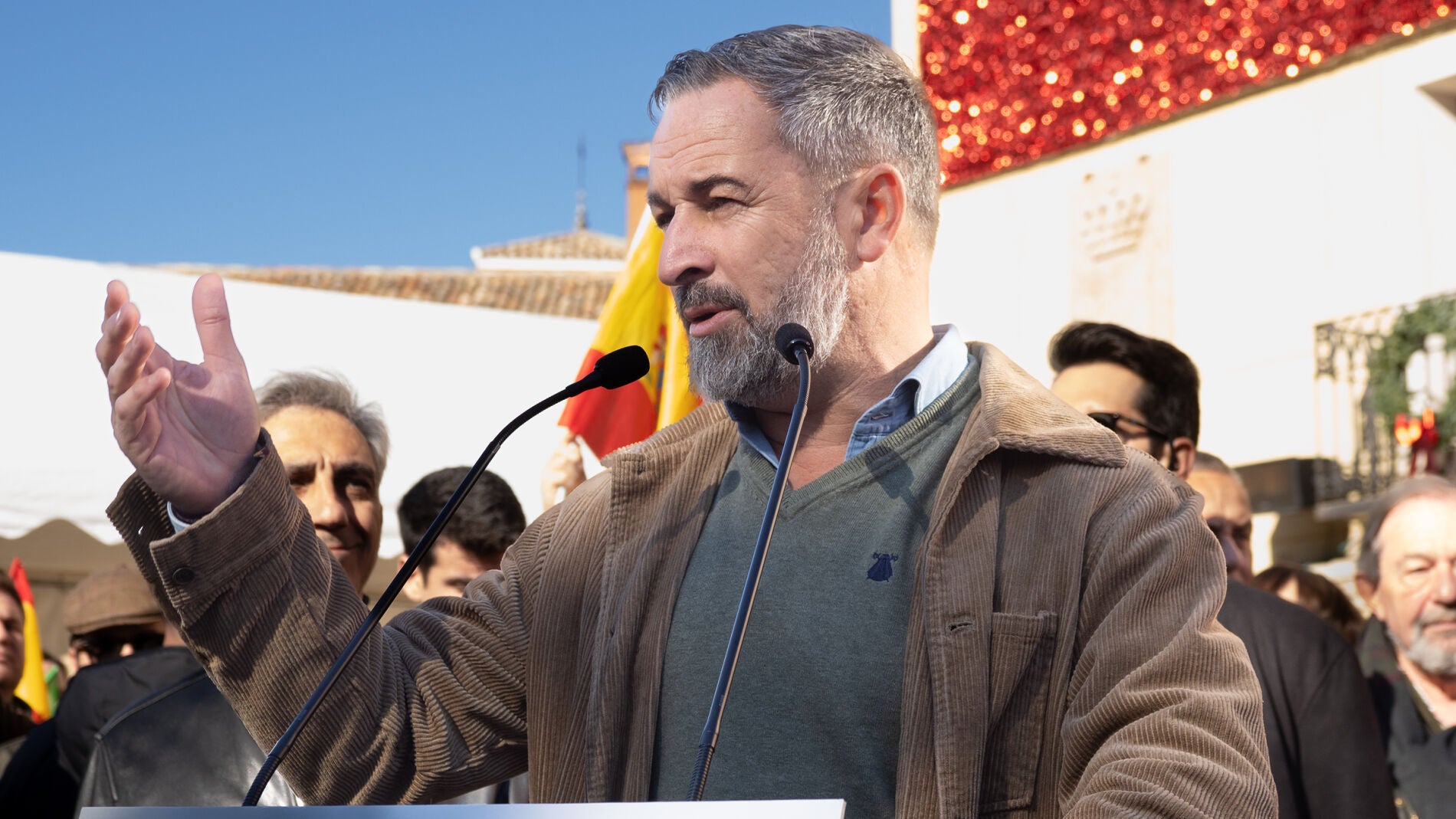
Throughout the campaign, Vox built its message around three central themes: national priority, deregulation and what the party calls remigration, repeating them alongside a steady stream of statistics and figures.
A calmer tone in the four-way debate
That institutional shift became visible during the four-way televised debate. Abascal did not abandon his combative style and clashed repeatedly with Prime Minister Pedro Sánchez, but he also tried to stay composed and project governing competence, giving more space to social issues such as housing, the enrichment of Ibex-listed business magnates, and immigration, which he blamed for much of what he called Spain's problems.
That social emphasis also shaped Vox's advertising. The party's campaign spots reached out to so-called "inalquilables," people who struggle to find rental housing, and to young Spaniards who have had to leave the country for lack of opportunity. Party sources said the recent spots carried an emotional charge that contrasts with Vox's usual combative messaging, describing it as a change in tone rather than substance.
Party sources told this newspaper that their core message has not changed since 2023, when Vox first raised concerns about immigration. They said voters now feel the issue personally because they see it in their own neighborhoods.
Vox's manifesto dropped a pledge from its 2023 program to repeal Spain's abortion and euthanasia laws, while hardening its positions on immigration.
Expert sees a broader, less ideological pitch
Political communication expert María José Canel said the widened agenda amounted to an appeal to issues that cut across the traditional left-right divide. She said Vox had tried to position itself close to ordinary citizens' daily needs, moving beyond its traditional focus on patriotism and family traditions, while showing greater institutional moderation aimed at winning over right-wing voters looking for governing experience.
An unspoken truce with the Popular Party
Another feature of the campaign was Vox's handling of its relationship with the Popular Party. Despite notable policy differences, and accusations that the Popular Party has copied some of its proposals, Vox chose to keep the peace, pointing to the four regional coalition governments the two parties already share as a precedent. The result, according to the source, has been a kind of unofficial entente between the two parties.
Party sources at Vox's headquarters, known internally as Bambú, denied any formal non-aggression pact, saying the only negotiations between the parties concerned Senate candidate lists, and attributing the rest to common sense. Abascal said on Friday in Tarancón that there was no need to argue, adding that Vox's strategy is focused on removing Pedro Sánchez from the Moncloa Palace, the prime minister's official residence. Party sources said Abascal had framed the campaign as an "emergency campaign" and that the party had fought accordingly.
Where Vox and the Popular Party still disagree
Differences between the two parties persist on core issues. Vox considers the Popular Party too lax on immigration and has criticized its stances in Brussels on European Union green policies and the Mercosur trade agreement. After Europe issued a statement on Friday addressing national priority policies in Valencia, Abascal said he was not surprised, adding that Vox was running to bring down the European Commission.
Vox also pushed back against Popular Party figures when it felt attacked, including after Mariano Rajoy appealed for a useful vote for the Popular Party and after Cayetana Álvarez de Toledo criticized Abascal for referring to "Catalan identity." Those disputes did not escalate into systematic confrontation between the two parties.
Looking ahead to possible pacts
Party sources said they expect to maintain the same approach after the election, following the model already in place in regions where the Popular Party and Vox govern together, provided the other side does the same. On possible red lines, they pointed to Abascal's comments during the debate specifying which governments he would not join.
Caution despite positive internal mood
Despite positive internal sentiment, Vox sources avoided triumphalism, saying they feared the left could mobilize large numbers of voters and produce surprises similar to those seen three and a half years ago. Sources said their data showed hope and strong mobilization and called the campaign successful but said it was not enough on its own, citing a margin for the unexpected. They said Vox was fighting for votes against the Spanish Socialist Party, Frente Amplio and Adelante Andalucía in many provinces.
What happens next
Spain holds its general election on November 29, with Vox sources saying they expect any post-election pacts to follow the pattern already used in regions where it governs alongside the Popular Party.
Test yourself
How many provinces did Santiago Abascal visit during the campaign?
Which pledge did Vox drop from its 2023 program?
What did Vox sources say was the only formal negotiation with the Popular Party?
Have your say
Do you think parties should soften their rhetoric toward rivals during close elections?
Where it happened
Valencia, Spain