

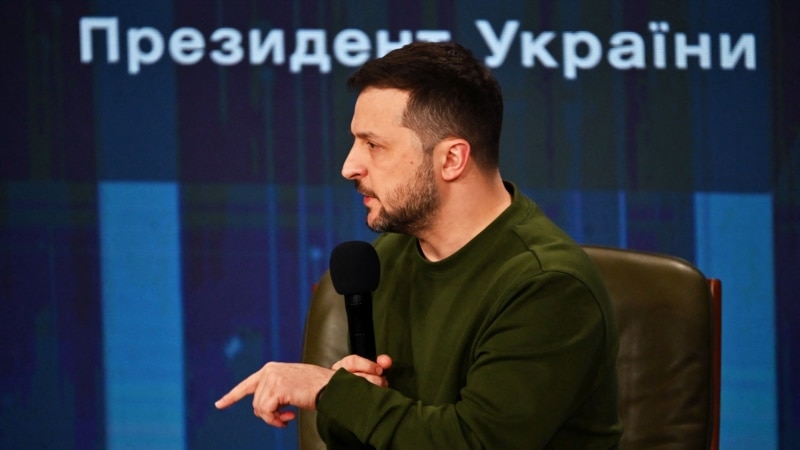
Ukrainian President Volodymyr Zelensky said on November 27 that the national government and Kyiv city authorities are developing a system to let residents travel free of charge on designated bus routes if other forms of transport in the capital stop running.
Zelensky said the matter was discussed during a meeting of the Staff of the Supreme Commander-in-Chief, known as the Stavka, the body that coordinates Ukraine's wartime military leadership. The meeting reviewed the situation in Kyiv, possible threats and options for responding to them.
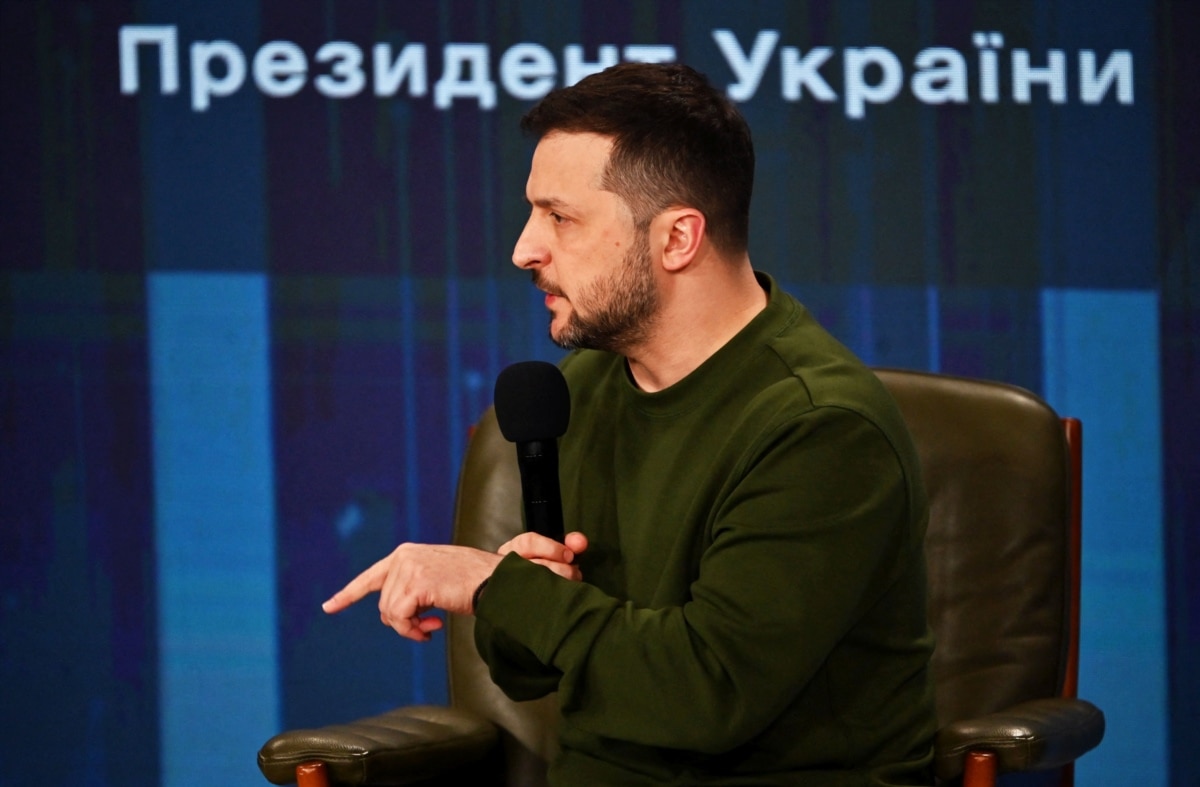
Specific algorithms had been drawn up for how public transport and logistics overall would operate in Kyiv if the situation worsened significantly because of Russian strikes, Zelensky said. He said it was important that residents and businesses in the capital be able to use transport, work, study and stay in the city under any circumstances, he wrote on Telegram.
Earlier Instruction to the Prime Minister
The announcement follows an instruction Zelensky gave on November 8, after a call reviewing the aftermath of Russian strikes on infrastructure. He told Prime Minister Serhiy Koretskyi to present a programme for free travel on Kyiv's ground transport network and to ensure a sufficient reserve of buses for the city.
Traffic on Kyiv's Northern Bridge was shut after a Russian attack on November 7 and was only partially reopened the following day. The Southern Bridge also faced restrictions because of strike damage. The disruption made journeys across the city harder, particularly for people travelling between the left and right banks of the Dnipro River.
Following Zelensky's instruction, Ukraine's Interior Ministry said reserve transport schemes would be introduced in Kyiv to connect the two banks of the river.
Mayor Klitschko's Response
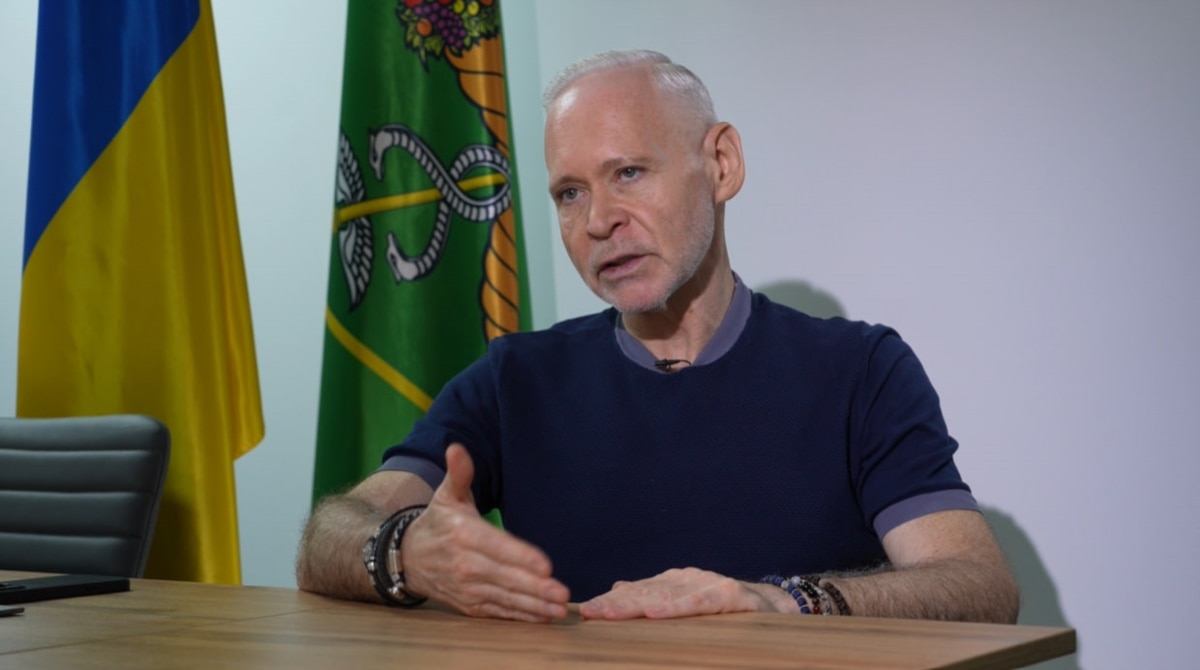
Kyiv Mayor Vitali Klitschko reacted to Zelensky's statement, saying the president had told the prime minister both to present a programme for such travel and to find a reserve of buses. Klitschko questioned where the money for the plan would come from.
Klitschko said Kyiv had buses available to add to its routes but lacked the drivers to operate them. He asked sarcastically whether police would "catch them, like electricians," a jab referring to men being rounded up for military mobilisation.
Klitschko added that fully replacing the passenger capacity of the Kyiv metro would require up to 1,020 buses. He said ground transport could not match the metro's regularity, however, because buses travel in the same traffic flow as private vehicles.
Repeated Strikes on Kyiv's Bridges
Russian forces repeatedly struck the Northern and Southern bridges in Kyiv over the course of October 2026. The Institute for the Study of War, a Washington-based think tank that tracks the conflict, said the attacks were intended to undermine Ukraine's economy, spread panic among the population and significantly worsen living conditions and movement for civilians in the capital.
Test yourself
What did President Zelensky say Ukraine is developing for Kyiv?
Who did Zelensky instruct on November 8 to present a free travel programme?
According to Mayor Klitschko, what does Kyiv lack to add more buses to routes?
Have your say
Should Kyiv offer free bus travel if Russian strikes disrupt other transport?
Where it happened
Kyiv, Ukraine


