
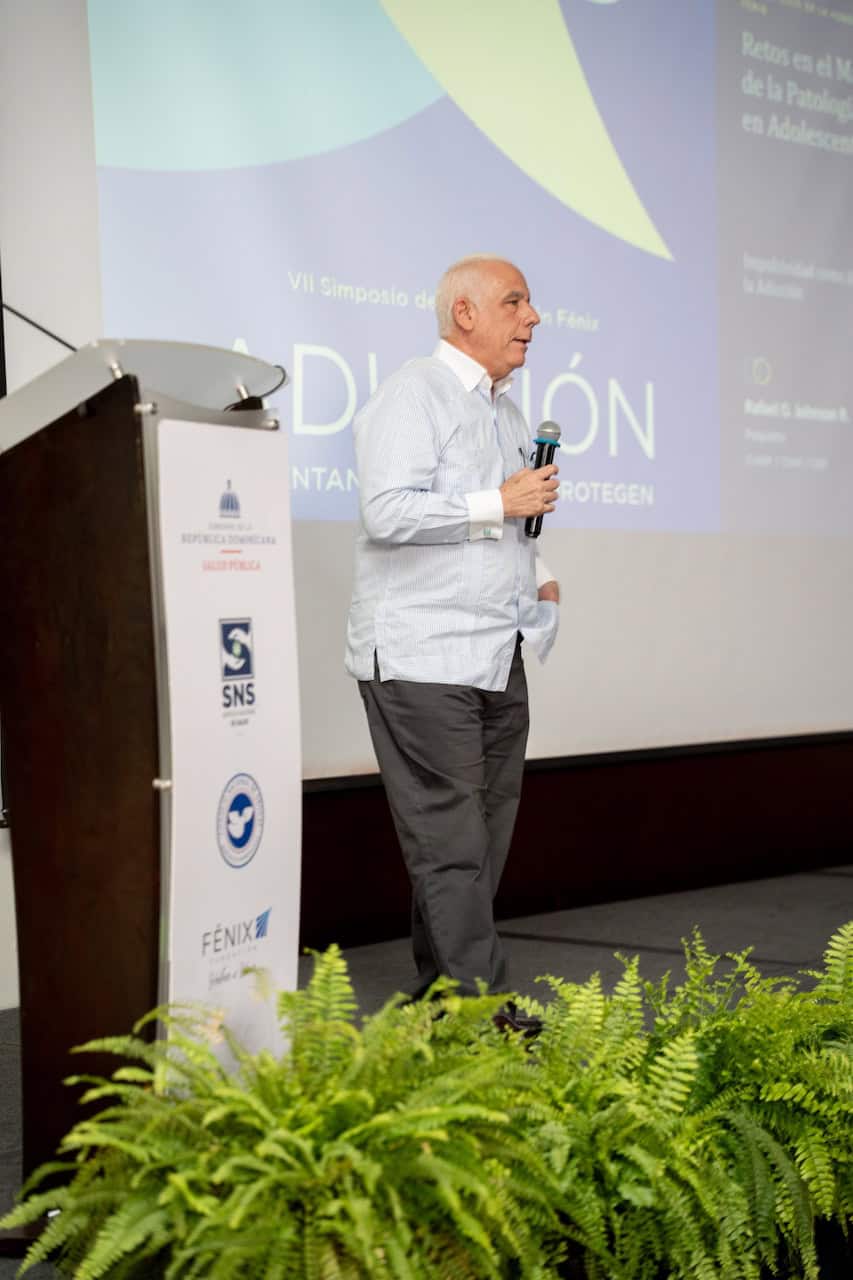
Clinical psychologist and family therapist Vanessa Espaillat and psychiatrist Rafael Johnson told the 7th Symposium on Family, Mental Health and Addiction Prevention in Santo Domingo that addictive disorders frequently take root in emotional wounds and childhood trauma rather than beginning with the substance itself. The event was organized by Fundación Fénix.

Espaillat said addiction does not usually start with the substance but with an emotional need, an emotional wound, or a traumatic experience that never found a space to be contained. She urged a comprehensive approach to prevention in which family, school and society all play a role, arguing that secure emotional bonds in childhood are essential for building self-esteem, confidence, emotional regulation and healthy relationships.
She also warned that technology can become one of the earliest forms of addiction, through the excessive use of phones, social media and video games, particularly among children and teenagers.
Presence as the first form of care
A central theme of Espaillat's talk was the importance of parents being present in their children's lives. Beyond financial resources, shared time and emotional connection are essential for a child's emotional development. The greatest gift a parent can give their children, she said, is their presence.
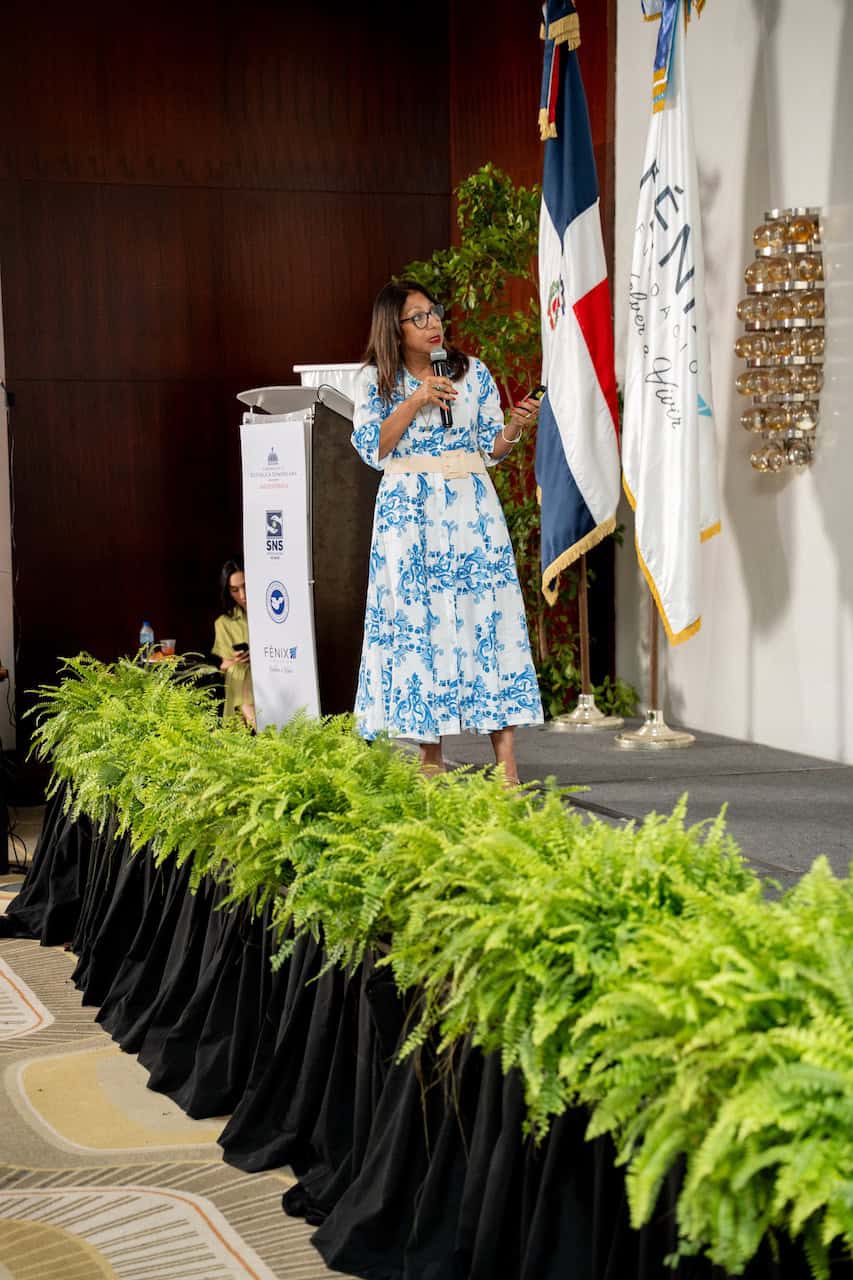
Espaillat explained that the care a person receives in childhood shapes how they learn to care for themselves as adults, set boundaries, handle frustration and relate to others. When that security and support are missing, she said, people can struggle to manage emotions such as fear, guilt and anxiety.
She added that traumatic experiences do not need to involve extraordinary events. Everyday situations in which a child is ignored, shamed or treated without consideration can leave a significant mark on emotional development, which is why she urged attention to small warning signs in how adults respond to children's needs.
When wounds pass between generations
Espaillat also addressed the intergenerational transmission of trauma. She said many families carry experiences of pain that were never acknowledged or worked through, and that these end up repeating through patterns of behavior, conflict and the way people relate to one another. Children sometimes repeat dynamics they observed in their parents, even when those experiences caused them suffering. What happens, she said, is that pain is passed down from one generation to the next.
Breaking that cycle requires recognizing the wounds, seeking professional support and accepting that healing can change a family's history, she said, adding that no recovery process happens automatically; it takes time, willingness and, in many cases, specialized therapy. She distinguished between knowing the risks of addiction and actually working through the emotional wounds that can lie behind it. Mental illness and addiction, she said, are like wings of the same bird.
School as a protective space
Espaillat said families are not solely responsible for building safe environments, and that schools carry significant responsibility for preventing trauma and addiction, since children and teenagers spend much of their lives there. She warned, however, that violence, humiliation, bullying and a lack of sensitivity to students' needs can turn schools into places of vulnerability rather than protection.
To prevent that, she said it is essential to train teachers and education professionals to manage trauma, recognize warning signs and provide emotional support. Good intentions are not enough, she said; staff need proper preparation to respond to students' needs. Prevention, she argued, should be part of institutional culture, from school leadership down to staff who interact with students daily.
Addiction and mental health disorders
Psychiatrist Rafael Johnson also addressed the link between addiction and mental health disorders, saying substance use is a complex problem that can trigger, worsen or coexist with different psychiatric conditions. He said alcohol consumption among young people has declined, but vape and other substance use has increased.
He explained the concept of dual pathology, referring to the simultaneous presence of a substance use disorder and another mental disorder, saying the two conditions can influence each other and that it is sometimes hard to tell which came first. Some people turn to alcohol and other drugs to try to relieve anxiety or psychiatric symptoms, he said, which can bring temporary relief but ends up worsening symptoms and complicating a patient's recovery.
Johnson stressed the risks of early substance use during adolescence, explaining that the brain continues developing through youth and that the prefrontal cortex, which governs decision-making, impulse control and emotional regulation, is one of the last brain regions to mature. He voiced concern about marijuana use among young people and its possible link to psychotic episodes, saying the impact of these substances on a still-developing brain should not be minimized. He said 84% of adolescents treated in psychiatric emergency units during the first six months of the year were marijuana users presenting psychotic symptoms.
He also pointed to the family and social consequences of addiction and mental illness, noting that their effects fall not only on the person affected but also on relatives and caregivers. These conditions can lead to dropping out of school, work difficulties, economic dependency and emotional strain on caregivers, he said, adding that caregivers themselves can develop health problems as a result of the burden of looking after a family member with a mental illness or addiction.
Johnson also criticized the stigma that still surrounds psychiatric patients, including within the health sector itself, and called for stronger mental health services and comprehensive care that addresses both addiction and psychiatric disorders.
Test yourself
Which organization held the symposium where Espaillat and Johnson spoke?
According to Johnson, what share of adolescents in psychiatric emergency units this year were marijuana users with psychotic symptoms?
What term did Johnson use for having a substance use disorder and another mental disorder at the same time?
Have your say
What do you think matters most for preventing addiction in children and teens?
Where it happened
Santo Domingo, Dominican Republic