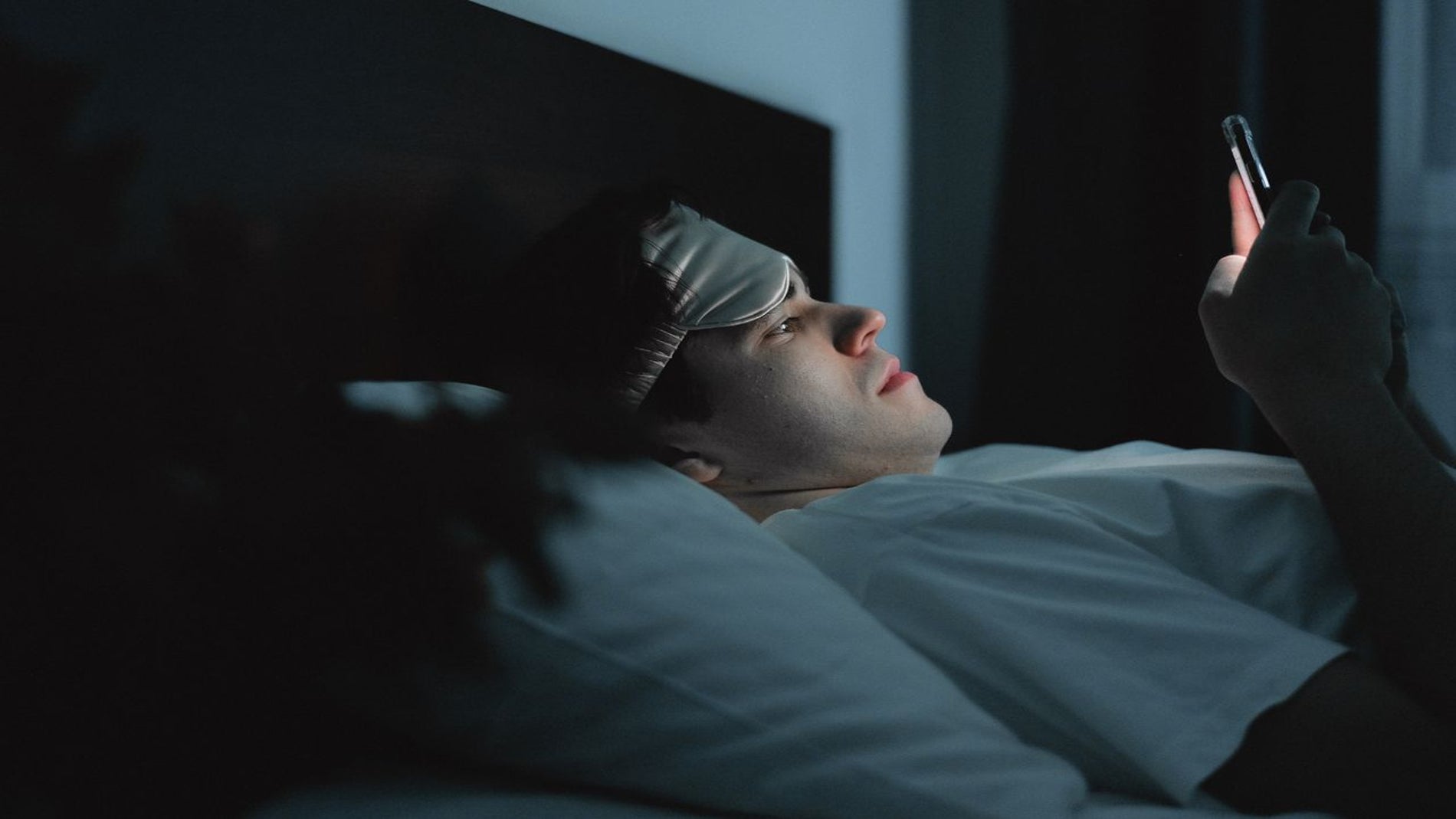
Harvard neurologist Álvaro Pascual-Leone stated that sleeping eight hours a day does not offset an inactive life, warning that brain health requires meaningful social connections and a clear life purpose.
Speaking in an interview with BBVA Aprendemos Juntos, the Harvard professor explained that completing familiar mental exercises is also insufficient to keep the mind learning. He emphasized that brain care must be tailored to the history, age, and health of each person.
While standard guidelines focus on rest, physical activity, and mental stimulation, Pascual-Leone added social connection and vital purpose as essential elements. He defined a healthy brain as one that maintains plasticity, responds effectively to unexpected events, and processes information efficiently.
Mental challenges and physical movement
To preserve cognitive health, Pascual-Leone advised people to continuously learn how to learn and seek new cognitive challenges that force the acquisition of unknown skills rather than repeating automated tasks. He noted that while curiosity is linked to active aging in studies of centenarians, research does not prove that curiosity itself extends lifespan.
Pascual-Leone recommended moving far more than usual and taking breaks at the right time, describing practices like meditation or disconnecting as restful pauses rather than performance obligations. He warned that treating habits as tests can increase anxiety, as seen when tracking sleep creates stress for users.
Proper sleep allows the brain to recover functions and organize daily information. Although memory research in animals highlights connections between sleep and memory, Pascual-Leone stressed that animal study results cannot be converted into direct health rules for humans.
Social connection and personal purpose
Pascual-Leone stated that the primary function of the human brain is to connect with others, identifying the failure to feel that connection as a major risk. He distinguished brief periods of solitude from persistent feelings of abandonment, adding that a full calendar can still coexist with loneliness, whereas regular, safe conversation provides belonging.
The perceived quality of social bonds matters as much as their presence, according to Pascual-Leone, who warned that checking mobile phones compulsively every few minutes fragments necessary social attention. Having a vital purpose, such as caring for someone, learning a trade, maintaining responsibility, or participating in a group, helps convert advice into behavior.
He added that a concrete reason prevents health lists from being easily abandoned, noting that differences between remembering important events and losing routine details also appear in emotional memory.
Recognizing cognitive changes
Pascual-Leone emphasized that these protective lifestyle habits represent preventive thinking rather than a diagnosis or treatment for cognitive decline. Sudden changes in memory, language, orientation, or behavior require professional medical evaluation, and seeking healthcare assistance remains a key part of brain care alongside sleeping, moving, learning, and keeping loved ones close.