

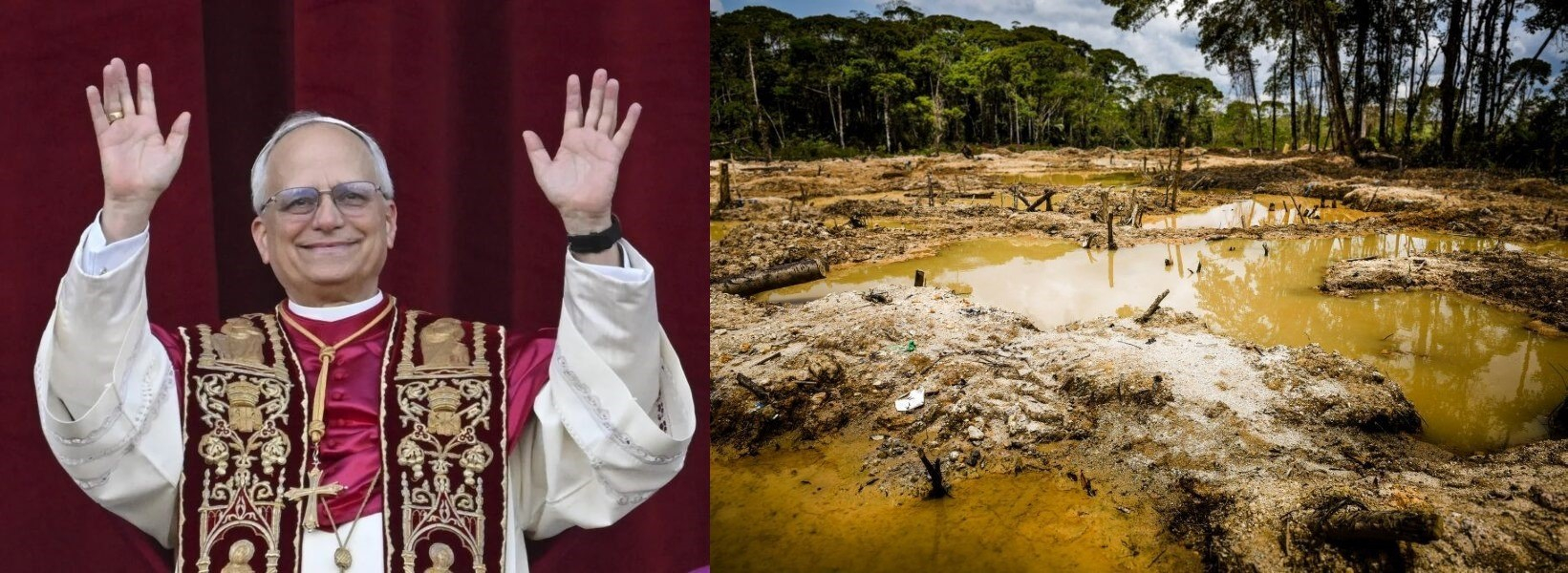
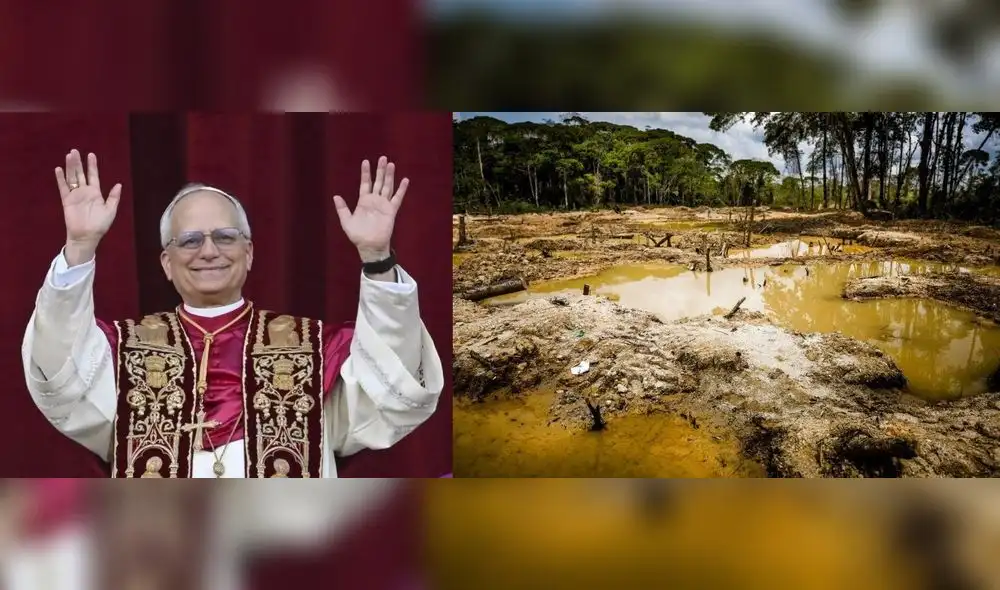
Representatives from five South American countries will meet with the Pope at the Vatican on Wednesday to raise an international alarm over the devastating impact of mercury contamination caused by illegal gold mining in the Amazon basin.
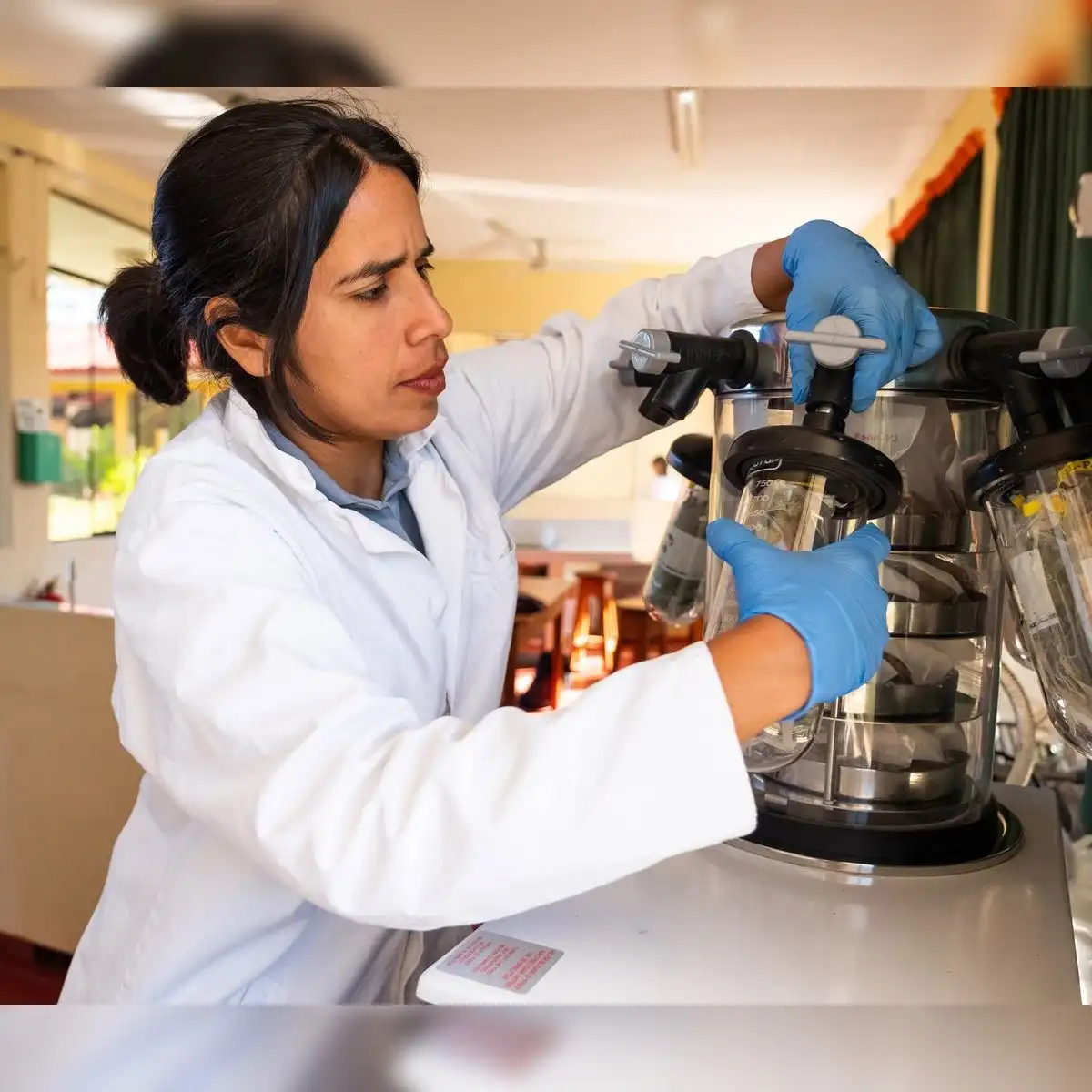
Scientist Claudia Vega, who coordinates the Mercury Program at the Amazonian Scientific Innovation Center, will join delegates from Peru, Brazil, Bolivia, Ecuador and Colombia for the September 30 audience. The coalition aims to highlight the severe mercury exposure facing indigenous communities and emphasize that the environmental crisis crosses national borders.
Vega cautioned that the uncontrolled expansion of illegal and artisanal mining operations could lead to mercury concentrations tripling or even quintupling in regions where the illicit practice takes place.
Toxic vapors and contaminated rivers
The Amazon, the world's largest tropical rainforest, spans multiple South American nations and its intricate network of rivers and forests provides essential resources for local indigenous populations. However, the unchecked extraction of gold is introducing foreign toxins into these pristine ecosystems.
Vega explained that the mercury utilized by illegal miners is not a natural element of the local environment. It is transported into the region specifically to extract gold.
In artisanal mining, operators use the liquid metal to bind with gold dust, creating an amalgam. When this amalgam is subsequently burned to separate and recover the gold, it releases toxic vapors into the atmosphere. This process, Vega said, contaminates the air, water and soil, accelerating the accumulation of the chemical in the environment and in living organisms.
The resulting bioaccumulation poses a severe threat to local diets. Vega noted that mercury builds up progressively in the food chain. Larger predatory fish, which are widely consumed by local populations, retain the highest concentrations of the toxin. This creates an inescapable cycle of pollution for communities that rely directly on the rivers and forests for their survival.
Public health emergency
During the audience in Rome, Vega will present scientific evidence documenting mercury exposure and its health consequences across Amazonian territories. In Peru, researchers working in Amazon communities have already recorded elevated levels of exposure and warned of the severe risks posed to vulnerable populations.
The World Health Organization, the United Nations agency responsible for international public health, classifies mercury as one of the top ten chemicals of major public health concern. Vega emphasized that chronic exposure to the metal can inflict severe damage on the human nervous system, kidneys and brain.
The health risks are particularly acute for pregnant women and young children, as the toxin can severely impair neurological development.
A crisis beyond national borders
The delegation traveling to the Vatican, the headquarters of the Roman Catholic Church, intends to use the international platform to shift the narrative surrounding mining pollution.
The coalition will argue that mercury contamination can no longer be treated solely as a localized problem confined to active mining sites. The environmental damage persists in the ecosystems, affecting downstream populations far removed from the extraction points.
While the immediate cause of the pollution is the use of mercury in specific mining activities, the representatives plan to present a broader case. They will argue that the negative impacts do not end where the gold is pulled from the earth, and that responsibility must be addressed along the entire supply chain that ultimately delivers the illicit gold to global markets.
By bringing together voices from Brazil, Bolivia, Ecuador, Colombia and Peru, the delegation hopes to demonstrate that the crisis transcends national boundaries and demands a coordinated international response. The September 30 meeting will serve as an opportunity to amplify the scientific evidence and the direct experiences of Amazonian communities on a global stage.


