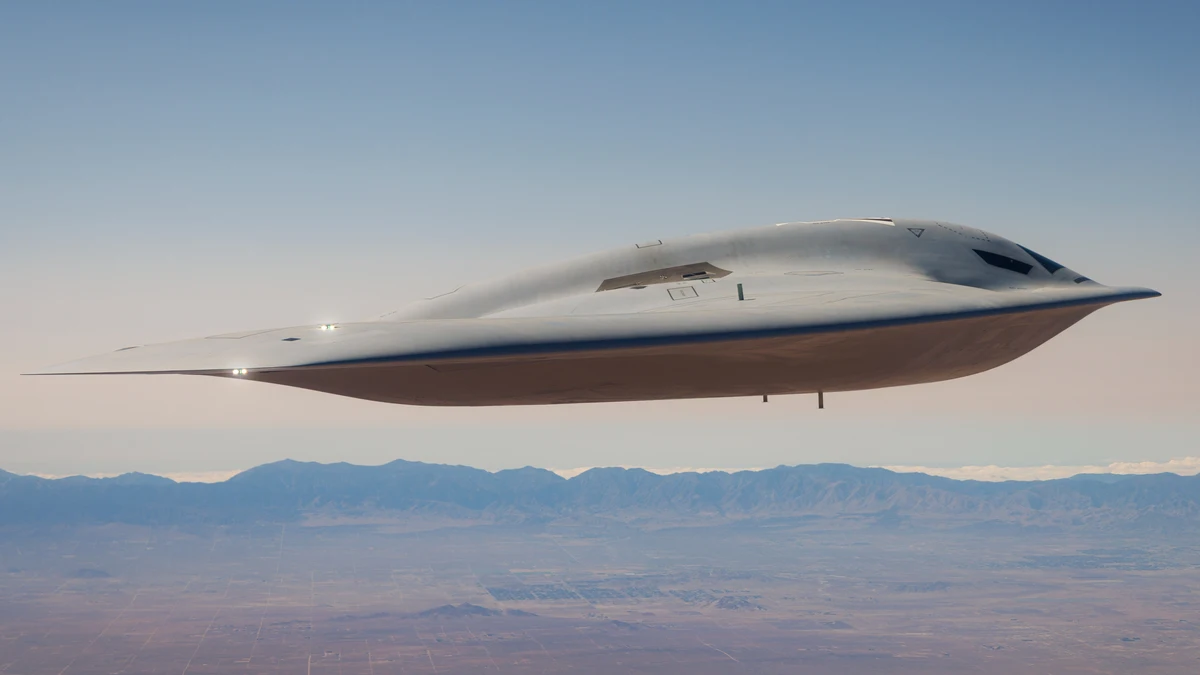
The B-21 Raider, the new United States stealth bomber developed by Northrop Grumman, dropped a weapon for the first time during a test flight, the manufacturer and the United States Air Force announced. The milestone marks a step toward validating the aircraft's strike capability as the program approaches 2027, the year it is expected to be declared operational.
During the test, a B-21 test aircraft operating from Edwards Air Force Base in California released a conventional weapon, validating its digital models and the maturity of its open-systems architecture, the Air Force said in a statement.
The munition used was not identified and no images of the release were published, so it cannot be determined whether a bomb or a missile was used.
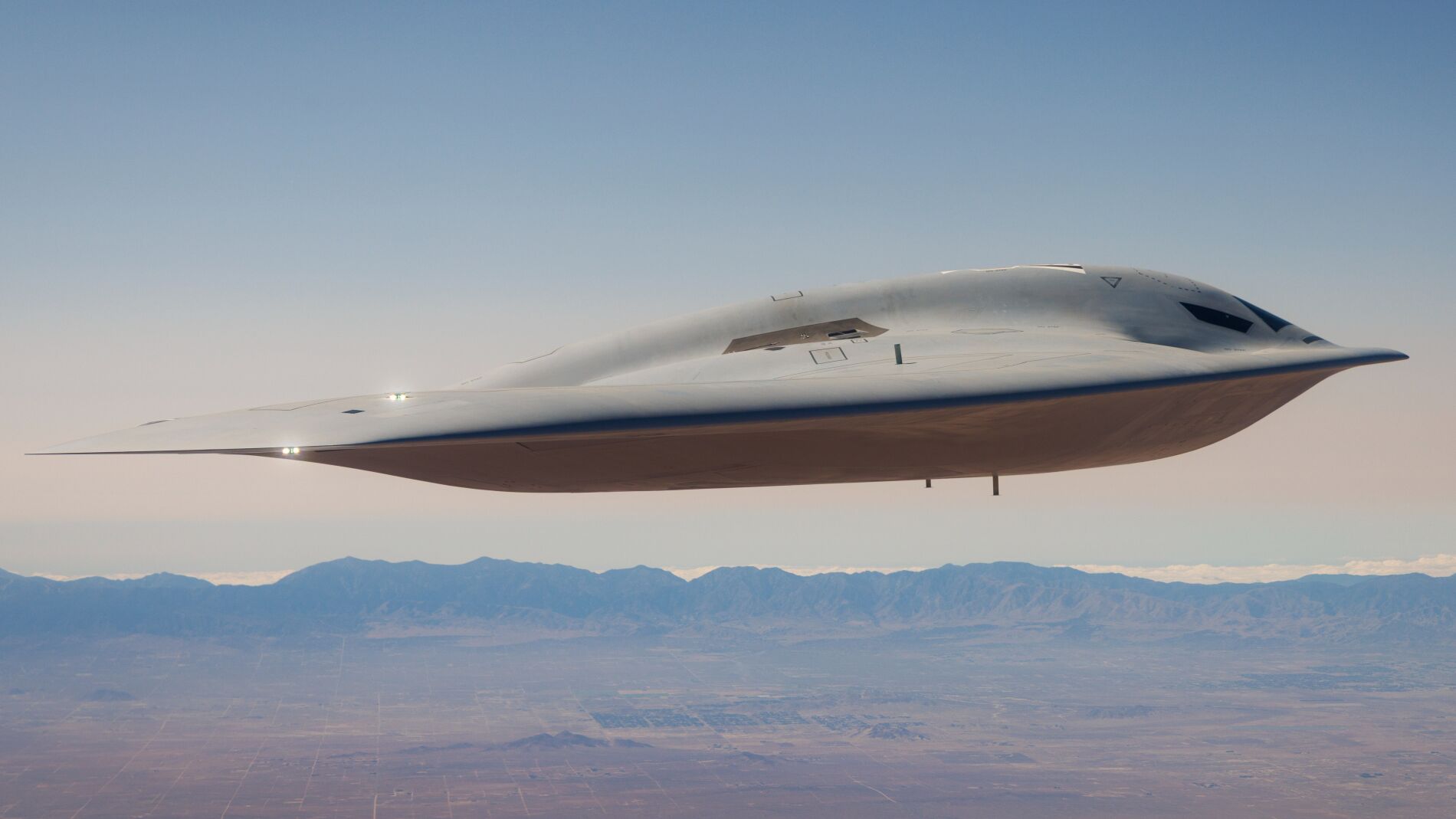
The test relied on thousands of hours of virtual modeling within the B-21's digital twin environment. This allowed the B-21 Combined Test Force to speed up weapons integration and predict and refine the weapon's trajectory with unprecedented precision even before the aircraft took off, the Air Force added.
Design and mission
The Raider is designed for long-range strikes with both conventional and nuclear weapons, including the future AGM-181A LRSO nuclear cruise missile. It will operate with two pilots, its test program already includes aerial refueling, and its open architecture is meant to make it easier to add new weapons and capabilities through upgrades.
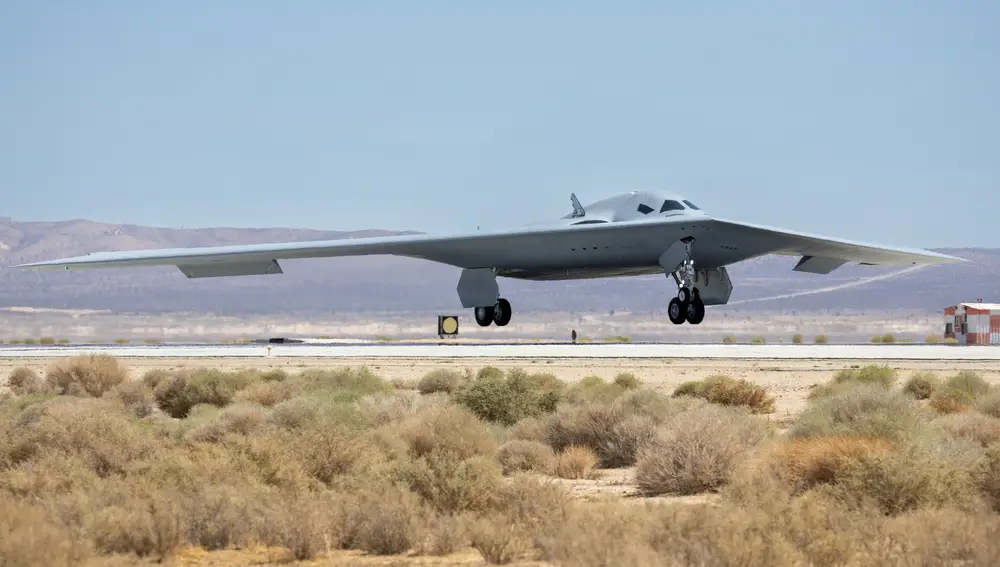
Northrop Grumman said the B-21 Raider offers exceptional payload flexibility, allowing commanders to adapt weapons configurations to a wide range of mission requirements, from long-range strikes to operations in heavily defended airspace.
Smaller than the B-2 Spirit
The aircraft is smaller than the B-2 Spirit bomber it will replace and will carry less payload, though its exact dimensions have not been disclosed. Last month, satellite images of the aircraft on the runways at Edwards Air Force Base, captured on Google Earth, allowed the specialist outlet The War Zone to estimate a wingspan of 46.3 meters and a length of 18.6 meters, roughly 12% smaller than the Spirit.
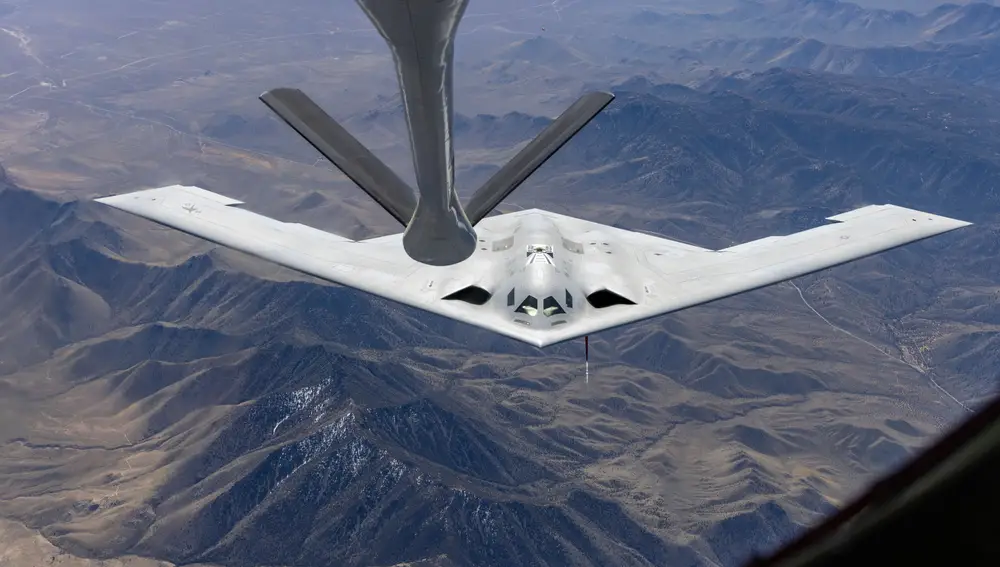
As for the weapons bay layout, the images point to one large central bay, compared with the B-2's two adjoining bays, according to The War Zone. The outlet also raised the possibility of smaller secondary bays, though there is no conclusive visual evidence.
Performing like a modern fighter
Northrop Grumman said the B-21 is demonstrating in testing what it promised on paper. The company described it as the most advanced bomber in the fleet, saying that in terms of maintenance time needed to return to flight and cost per flight hour, it performs more like a modern fighter than like bombers of earlier generations.
Development of the aircraft began in 2015 and took a different approach from its predecessors, relying on digital engineering and using aircraft very similar to those that will enter service from the earliest test flights. The use of digital twins, virtual representations of the aircraft, allows engineers to anticipate its behavior and then compare it against real results.
Northrop Grumman said it has already completed fatigue tests equivalent to several service lifetimes, months ahead of schedule, which it says further validates the strength and robustness of the B-21's design.
Schedule pressure remains
The Air Force presents the program as an example of meeting deadlines and budget targets, but the schedule remains tight. Only two pre-production aircraft are known to be flying out of six planned for testing, and the projected purchase is for at least 100 aircraft.
The B-21 first flew in 2023, and the aim is for it to reach initial operational capability in 2027, just a year after weapons testing began. By comparison, the B-2 first flew in 1989, dropped its first weapon in 1992, and did not reach that capability until 1997.