

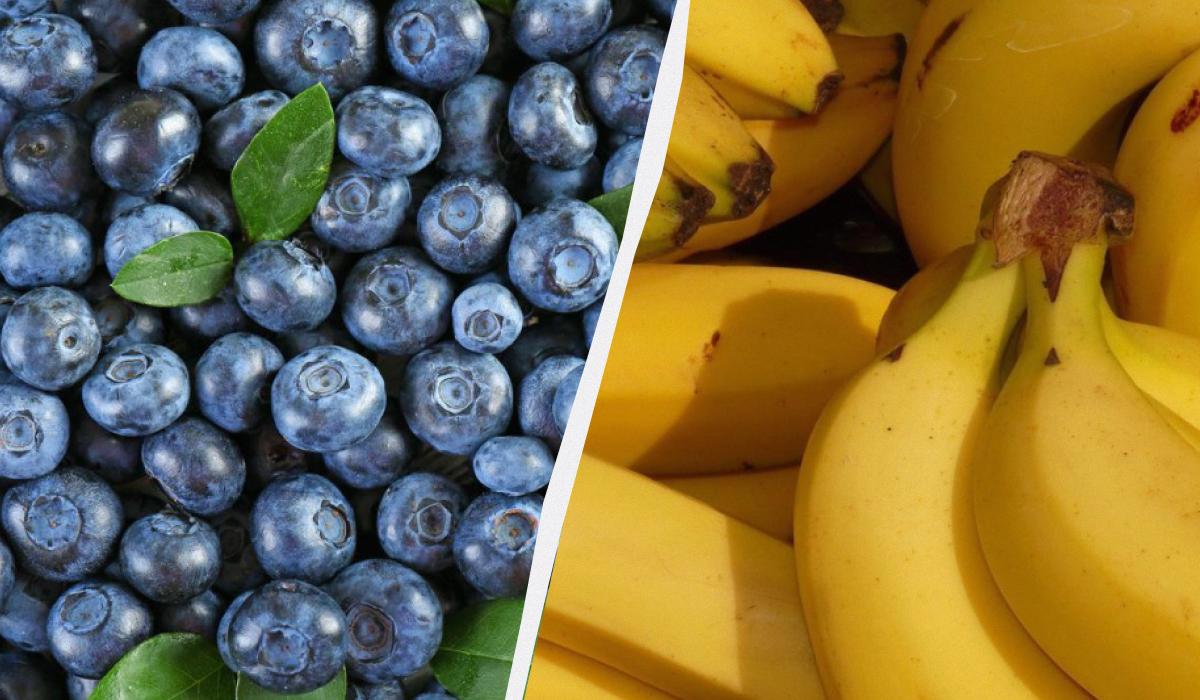
Dietitians have highlighted that both bananas and blueberries offer distinct health benefits for individuals aiming to lower their blood pressure, according to Verywell Health. Both fruits contain essential nutrients that support cardiovascular regulation, including potassium, calcium, and magnesium.
Data from the US Department of Agriculture shows that bananas provide a significantly higher concentration of potassium, whereas blueberries offer specialized anti-inflammatory properties.
A study published in The American Journal of Clinical Nutrition found that potassium plays a vital role in controlling blood pressure. Increasing daily potassium intake while simultaneously reducing dietary sodium can help lower blood pressure levels. Potassium also maintains electrolyte balance and supports muscle contractions, which makes bananas popular among athletes.
Verywell Health reported that one banana contains 375 milligrams of potassium, whereas one cup of blueberries contains 114 milligrams of potassium, representing roughly one-third of the amount in a banana. To prevent or manage high blood pressure, the American Heart Association recommends consuming between 3,500 and 5,000 milligrams of potassium daily.
Registered dietitian Jamie Gnau noted that newer research supports the finding that increased potassium intake has a more pronounced blood pressure lowering effect in people who already have hypertension.
Blueberry antioxidants and blood vessel function
A study published in the journal Frontiers in Physiology showed that blueberries help improve blood vessel cell function and diastolic blood pressure. In blood pressure readings, diastolic pressure represents the bottom number, reflecting how much force blood exerts against artery walls when the heart rests between contractions.
Although blueberries contain less potassium than bananas, they are rich in anthocyanin antioxidants, which can reduce inflammation. Verywell Health noted that this feature is significant because chronic inflammation is linked to high blood pressure.
However, Gnau cautioned that additional research is required to determine whether blueberries yield a clinically meaningful reduction in blood pressure and to identify the precise quantity of berries needed to produce that result.
Comparing sugar content and additional nutrients
Regarding sugar content, one ripe banana contains 18.2 grams of natural sugar, while a cup of blueberries contains 14.7 grams. The publication emphasized that these naturally occurring sugars do not affect the body in the same way as added sugars because the digestive system processes whole fruit sugars slowly while absorbing vital vitamins, minerals, and fiber.
Melissa Mroz-Planells, associate professor and director of the dietetic internship at Bastyr University, advised that consumers should focus on limiting added sugars and artificial flavorings in processed foods rather than avoiding whole fruit.
Mroz-Planells suggested adding bananas or blueberries to plain yogurt as a practical way to curb added sugar intake, enhance flavor, and gain the health benefits of whole fruit.
Dietary guidelines and cardiovascular health
The Dietary Approaches to Stop Hypertension eating plan, known as the DASH diet, recommends consuming four to five servings of fruit per day to help lower blood pressure. Both bananas and blueberries align with the dietary principles of the DASH plan, leaving the choice between them to individual preference.
Mroz-Planells stated that choosing between the two fruits simply depends on whether a person wants to prioritize an anti-inflammatory approach or seek efficient blood pressure management through potassium intake.
Detailed nutritional data published by the outlet shows that a single banana provides 375 milligrams of potassium, 2 grams of fiber, 5.75 milligrams of calcium, and 32.2 milligrams of magnesium. The fiber in bananas assists gut bacteria in producing short-chain fatty acids that may contribute to lowering blood pressure, while calcium helps blood vessels expand and contract, and magnesium helps them relax.
By comparison, one cup of blueberries delivers 114 milligrams of potassium, 3.5 grams of fiber, 8.88 milligrams of calcium, and 8.88 milligrams of magnesium.
Mroz-Planells added that there is no single winner between the two fruits. She emphasized the importance of considering the overall dietary picture, noting that most people fail to consume sufficient amounts of fruits and vegetables daily.
UNIAN previously reported that three widespread daily habits, namely high salt intake, a sedentary lifestyle, and elevated stress levels, cause damage to the cardiovascular system and can lead to increased blood pressure.


