


The Bank of Spain warned card users that failing to verify payment terminal amounts before making card payments is a common and risky error. The central bank noted that paying by bank card has become standard practice as fewer people carry cash and most stores feature point-of-sale terminals.
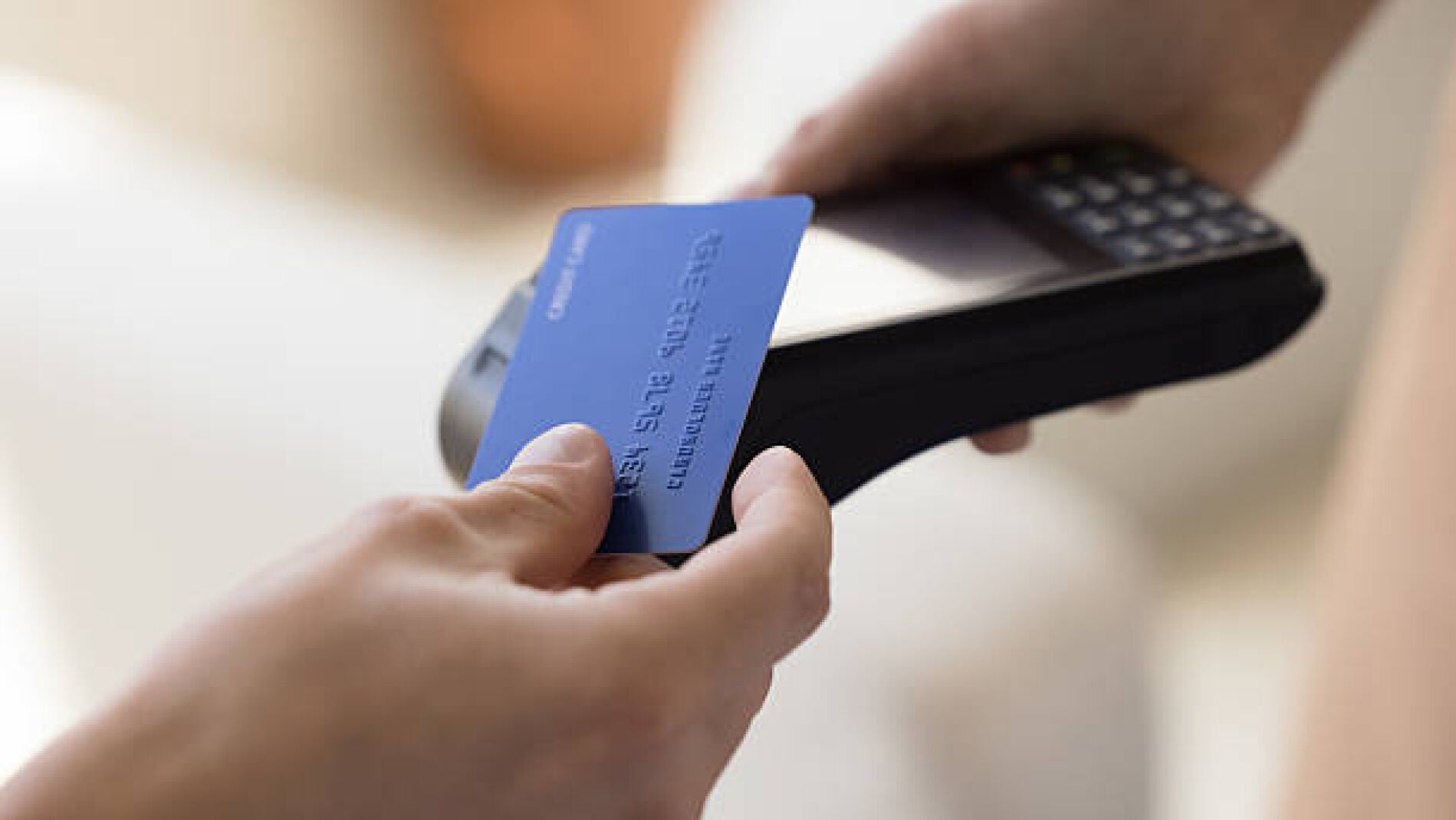
Store employees frequently ask customers if they want a copy of the receipt after completing a purchase. Many shoppers decline the paper slip because they believe they do not need to keep proof of the transaction.
In a blog entry, the central bank acknowledged that turning down a receipt can reduce unnecessary paper consumption when proof is not required. However, the institution stressed that consumers must check the terminal display to confirm the charge is accurate before declining the paper copy.
The central bank stated that widespread contactless payments for small amounts allow charges without PIN entry when users tap their cards. Because these charges occur automatically, buyers often act out of habit and do not look at what is billed.
Proof of payment and contactless limits
The paper receipt issued by a store terminal serves as official proof of a transaction because it lists all payment details. If a store makes a mistake and charges more than the actual price, the receipt acts as evidence to verify the error.
Contactless transactions do not require a PIN for amounts up to 50 euros. When a charge exceeds 50 euros, the terminal system automatically requests the secret code, which forces the cardholder to check the operation details on the device screen.
Recommendations for monitoring bank accounts
The Bank of Spain advised cardholders to check amounts on payment terminals before finalizing payments and to keep purchase receipts. It also recommended reviewing account transaction records regularly to spot errors or unrecognized charges.
Consumers can also request transaction notifications from their banks for every card payment. These instant alerts allow users to inspect the billed amount immediately after every operation.


