Bits.media, one of Russia's oldest cryptocurrency news platforms, marked its 15th anniversary on July 31. Founder Ivan Tikhonov described how a personal interest in Bitcoin grew into a publication, a forum, and a set of tools for miners and traders, while surviving a government-ordered internet block along the way.
The project launched in 2011 as a website carrying beginner-level articles explaining what Bitcoin was and how to mine it. A forum opened later and became a gathering place for Russian-speaking enthusiasts at a time before messaging apps were widespread. Owners of major crypto services used it to talk with users and with each other.

A bar meeting that built a newsroom
The first in-person meetup took place at a bar in St. Petersburg in 2013, drawing attendees from other cities who had previously known each other only through the forum. Tikhonov said it was at that event that he met the person who would become the publication's first editor-in-chief, and realized the team could produce regular news to a consistent standard. The editorial operation grew from there.
Blocked, then unblocked
The site originally operated under the domain btcsec.com, short for Bitcoin Security, reflecting a plan to concentrate on the security of storing and transacting in Bitcoin. That focus shifted after 2014, when a Russian prosecutor won a court ruling that distributing information about Bitcoin and other cryptocurrencies was unlawful. Roskomnadzor, the federal internet regulator, blocked btcsec.com, bitcoin.org, and several other domains once all deadlines for appeal had lapsed.
Tikhonov said the team initially did not know the site had gone dark and pieced together the reason only afterward. Taking legal action against a prosecutor over cryptocurrency felt risky, he said, but the team believed it was in the right. They restored their standing to appeal and contested the ruling over six months. Because no one knew how long the courts would take, they moved to the bits.media domain in the meantime. The old name was also difficult to pronounce and often misspelled, including in print publications where mistakes could not be corrected.
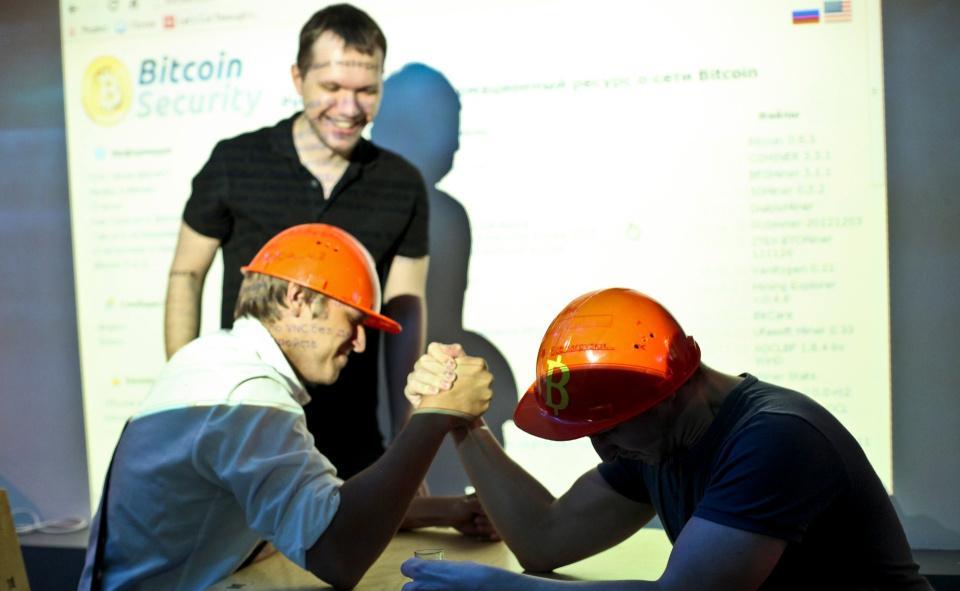
The team ultimately won the case, Tikhonov said. Without that outcome, he added, bitcoin.org might still be blocked in Russia today.
Up to 12 BTC per post
In the early years Tikhonov paid contributors in Bitcoin. He gave out 1 BTC a week on the forum for useful posts, then raised the rate to 3 BTC for spreading Bitcoin-related information on other platforms. Exchanges and mining pools later joined the scheme, and a single qualifying post could earn up to 12 BTC, on the condition it stayed live for at least a week. Some platform owners at the time deleted Bitcoin content quickly, dismissing it as a scam. Tikhonov said the number of eligible posts was unlimited.
From GPU mining to stepping away
Tikhonov said mining was the first thing he tried after discovering Bitcoin. He spent an entire night reading about how the protocol worked, went to work the next morning with a clear picture of its potential, then began overclocking graphics cards and buying additional hardware. He funded the forum's content payments from coins he mined himself.
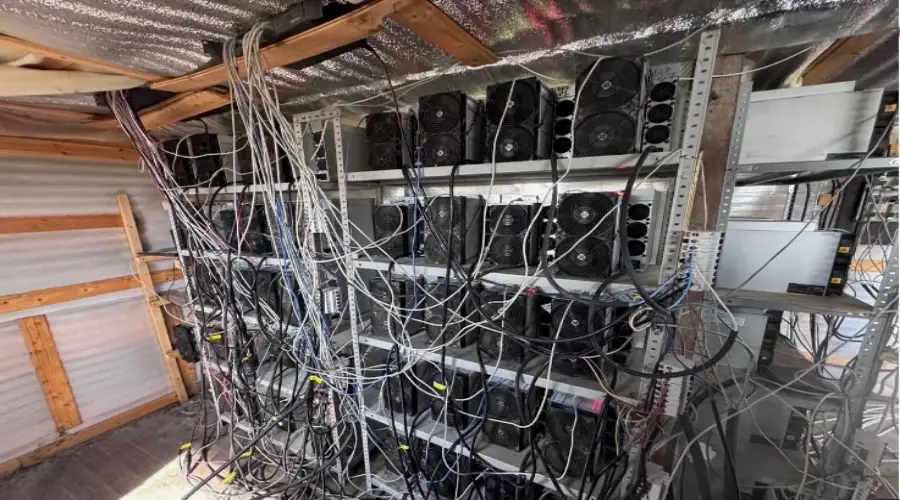
He stopped mining in 2013 when ASICs arrived and large-scale industrial operations took over. By 2012, he noted, Bitcoin's network computing power had already surpassed the combined output of every supercomputer in the world, shifting the dynamic from idealism toward profit-seeking and the concentration of capacity in the hands of large miners.
On Ethereum's shift to proof-of-stake, Tikhonov said he accepted it calmly. Stakers risk their own holdings, he said, so attacking the network is not free, and a successful attack would push the price down, which would hurt the attackers themselves.

Tools, AI, and new restrictions
Bits.media built a mining profitability calculator, a fee estimator, and a mining difficulty chart, among other utilities. Tikhonov said these began as tools he wrote for his own use and later opened to readers. Home mining has essentially died, he said, reducing demand for the calculator, though the team still builds tools when users request them.
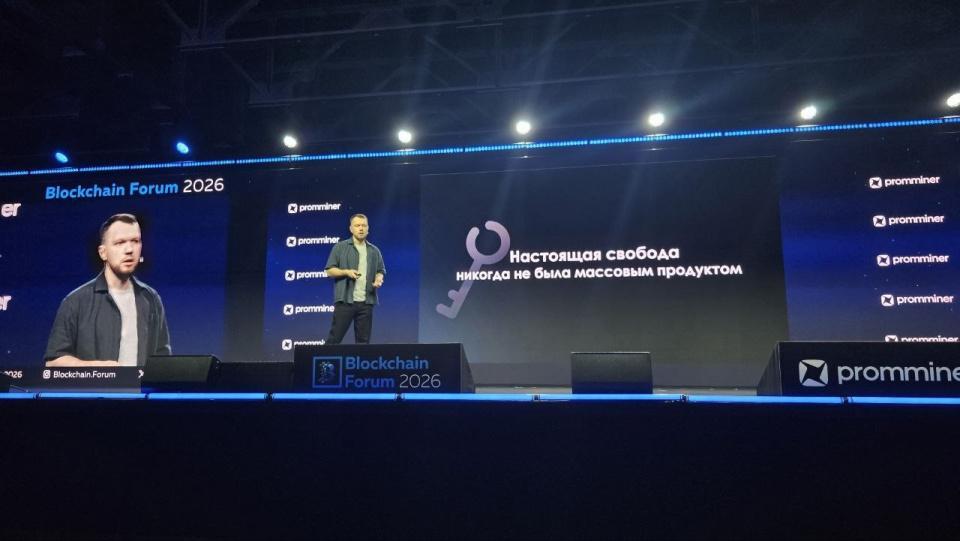
Looking ahead, Tikhonov said artificial intelligence would shake up all information projects, not only those covering cryptocurrency. He also expected tighter regulation. Russia's recently passed cryptocurrency legalization law had already introduced new restrictions, he said, including prohibitions on writing about purchasing property in Dubai with Bitcoin and on advertising most cryptocurrencies to unqualified investors, even on licensed platforms.