


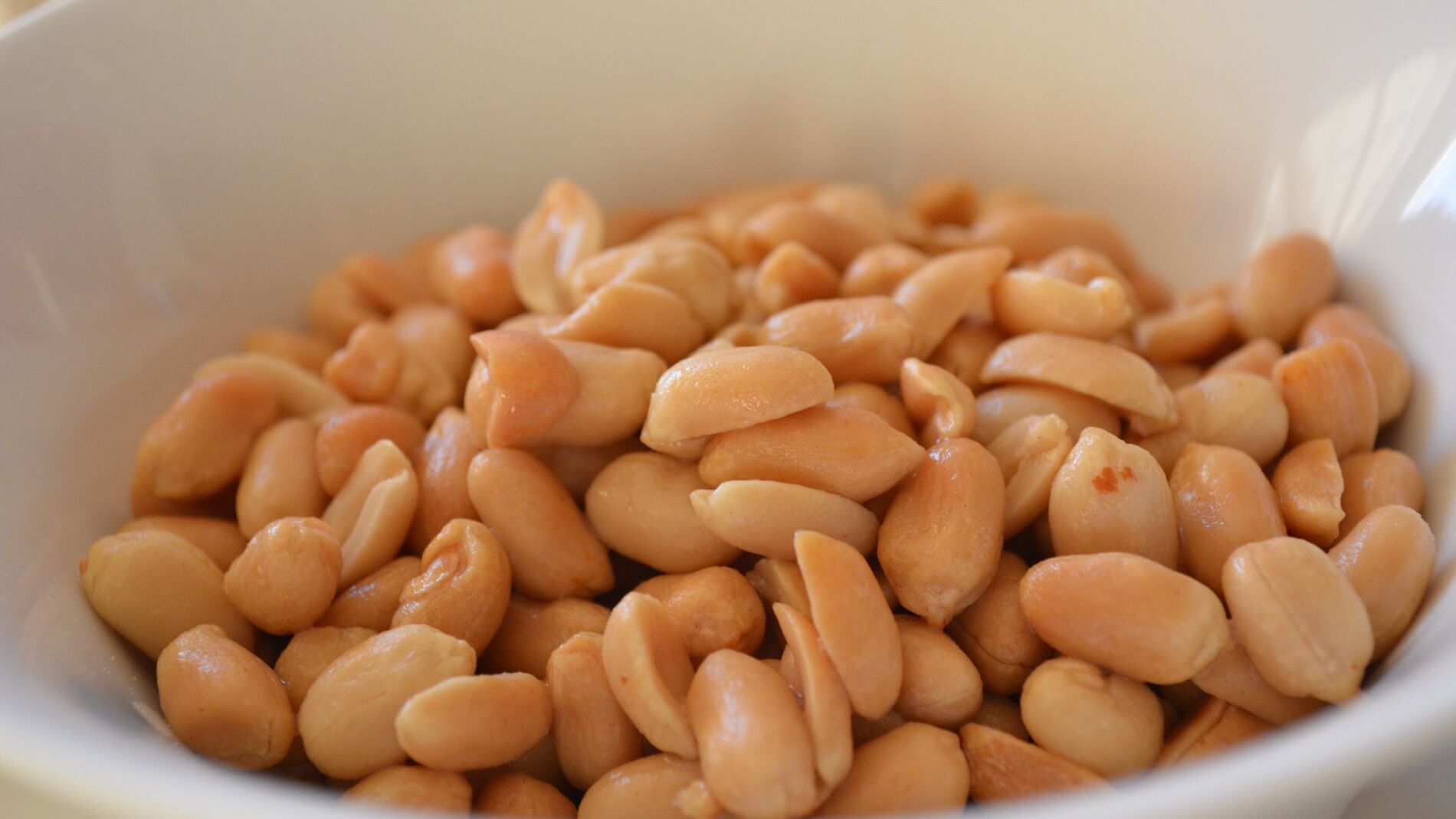
Researchers at Boston Children's Hospital in the United States found that fecal transplants from healthy donors can increase peanut tolerance in people with severe allergies. Millions of people suffer from severe food allergies worldwide, with numbers rising daily. Peanuts and tree nuts trigger the most severe and potentially fatal allergic reactions.
Current treatments like antibody medications or low-dose immunotherapy can increase tolerance temporarily. However, allergic reactions return quickly once treatment stops. Patients can also suffer severe or fatal reactions from the treatments themselves while following medical instructions.
Rima Rachid, director of the Food Allergy Program and Allergen Immunotherapy Program at Boston Children's Hospital, said people with food allergies want relief from constant anxiety and extreme vigilance. She noted that patients do not want to stay alert to dangerous exposures whenever they leave home. She added that patients seek a permanent modification of the disease or a cure rather than therapies required indefinitely.
Rachid and Talal Chatila, director of translational immunology at the hospital, published their clinical trial findings in Science Translational Medicine. In a small clinical study, some participants with peanut allergy developed greater tolerance months after receiving a fecal transplant from a donor without food allergies. Rachid said the study was the first to show that a microbiome-based therapy can improve human food allergies. She noted that larger studies are essential to confirm findings, identify suitable patients, and develop targeted probiotic therapies.
Previous animal research
Before testing the therapy on humans, Rachid and Chatila conducted research on mice. They transferred stool samples from infants with food allergies into allergy-prone mice, which caused the mice to experience severe anaphylaxis.
Conversely, mice that received fecal samples from healthy infants were protected against allergic reactions. That earlier study allowed the research team to identify specific strains of beneficial gut bacteria in healthy infants that guard against allergic responses.
Frozen capsule trial results
In the recent clinical trial, researchers administered frozen fecal capsules to 10 young adults with severe peanut allergies who reacted to trace amounts of peanuts. The capsules contained beneficial bacteria strains from healthy donors.
Participants completed a single treatment of 36 capsules, with each capsule taken over a period of a few hours. When evaluated four months later, three participants showed improved tolerance and could consume several peanuts without reacting.
In the next phase of the study, five participants took antibiotics prior to the fecal transplant to prevent resident gut microbes from competing with donor bacteria. Three of these five participants improved their tolerance and consumed more than four peanuts before reacting, indicating that antibiotics increased the efficacy of the transfer.
Mechanism of immune tolerance
To understand how the transplants reduced allergic reactions, researchers analyzed blood samples from study participants. They discovered that participants who responded to the therapy had higher levels of bile salts than non-responders.
Bile salts are produced in the liver, stored in the gallbladder, and released into the small intestine to break down and absorb fats. The transplanted beneficial bacteria metabolized bile salts more efficiently than the native bacteria of allergic participants.
Further experiments showed that metabolizing bile salts increased the presence of immunoregulatory cells that protect against allergic reactions. Chatila explained that food allergies reflect a breakdown in oral tolerance, which is the process where the gut immune system learns to accept food. He said the right bacteria help restore this process by using bile acid metabolites to stimulate immune cells that enforce tolerance. He added that understanding how bacteria restore food tolerance allows researchers to optimize treatment for more effective results.
Future adolescent studies
Rachid is currently leading a new trial in collaboration with Dr. Alexander Khoruts from the University of Minnesota in the United States. In this study, adolescents will receive a refined microbe transplant therapy.
The new treatment uses a purified, concentrated form of microbes rather than stool capsules, allowing it to be stored in a refrigerator. Patients will take the capsules at home under medical supervision before undergoing food challenge tests to measure peanut tolerance.
Rachid is also leading a third study to test the combination of this concentrated microbe formulation with oral peanut immunotherapy.


