

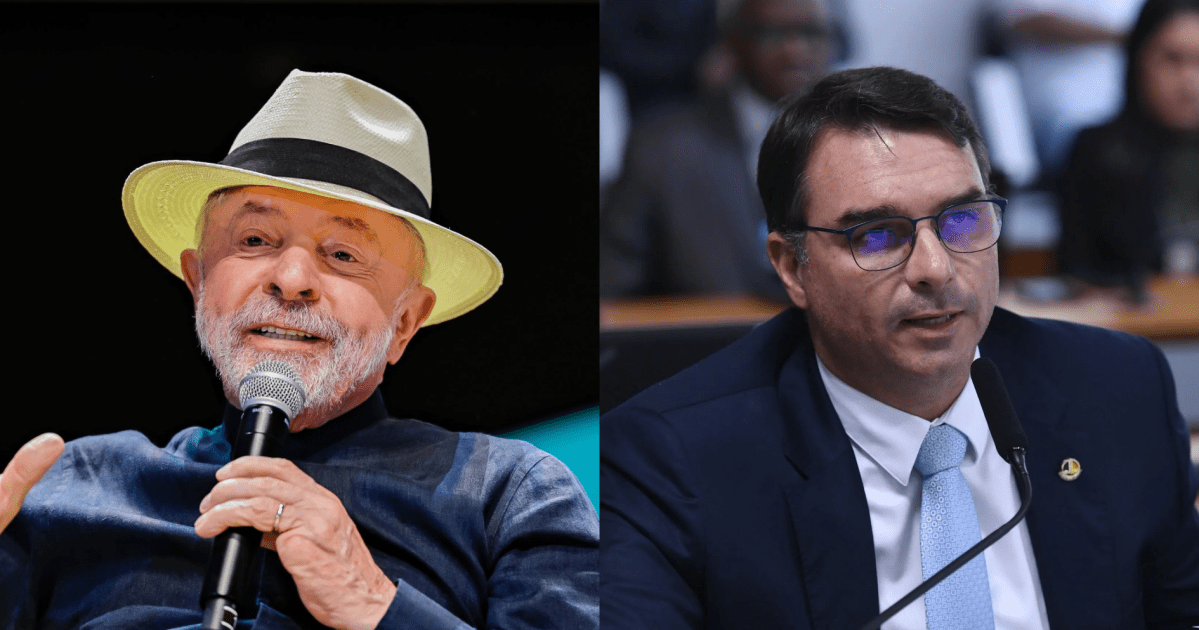
Brazil's Superior Electoral Court will begin evaluating the presidential candidacy registrations of Luiz Inacio Lula da Silva and Flavio Bolsonaro on Monday, August 31. The judicial review also covers candidacy filings for presidential hopefuls Romeu Zema and Renan Santos.
Magistrates will cast their votes electronically in a virtual plenary session that runs through September 2. The electoral tribunal will simultaneously review the candidacy registrations for the vice-presidential running mates on all four political tickets.
Under the virtual session format, court members log their votes into an electronic system during a designated timeframe. Judges typically indicate whether they agree or disagree with the written position presented by the assigned rapporteur for each case.
Rapporteur assignments and court rules
Minister Andre Mendonca was appointed as the rapporteur overseeing the candidacy registration for Lula, who represents the Workers' Party. Mendonca was named to Brazil's Supreme Federal Court by former president Jair Bolsonaro.
Minister Estela Aranha will serve as the rapporteur responsible for the process involving Flavio Bolsonaro, who represents the Liberal Party. Aranha was appointed to the electoral tribunal by President Lula.
Brazil's Superior Electoral Court serves as the highest judicial authority governing national elections and verifying candidate qualifications. Under federal constitutional rules and electoral laws, candidates must submit required documentation and remain free from any legal disqualifications to appear on the ballot.
Electoral Public Ministry review
Following the submission of candidate filings, the Electoral Public Ministry conducts an independent review of each application. The electoral prosecutorial body holds the authority to request candidate disqualification from the court if prosecutors identify legal non-compliance or irregularities.
Prosecutorial reviews concluded that all four presidential candidates met the legal criteria to run, with no challenges requested against any of the filings.
In its assessment of Lula, the Electoral Public Ministry determined that he satisfied all constitutional eligibility conditions and submitted complete documentation. Prosecutors noted that Lula has no criminal convictions or rulings for administrative improbity that would cause ineligibility, adding that legal cases previously faced by the candidate were archived without conviction or ended in acquittal.
Regarding Flavio Bolsonaro, prosecutors found that he fulfilled eligibility criteria and provided all mandatory filings, including his government platform, asset declaration and proof of education. The review noted that civil and criminal background checks in his name contained no elements that could trigger disqualification.
The ministry reached similar conclusions for Romeu Zema of the New Party and Renan Santos of the Mission party. Prosecutors confirmed that both candidates submitted all necessary paperwork and had no legal impediments recorded in their files.


