


The Canary Islands health service has expanded its rescue vaccination campaign against human papillomavirus to include men and women up to 20 years of age. The update to the archipelago's lifelong immunisation schedule maintains routine vaccination at age 12 for all children while extending funded coverage for individuals who missed earlier doses.
Under the updated guidelines, free vaccination is also provided for specific high-risk groups up to 45 years of age. However, adult males outside these designated groups remain excluded from publicly funded coverage under the general regional calendar.
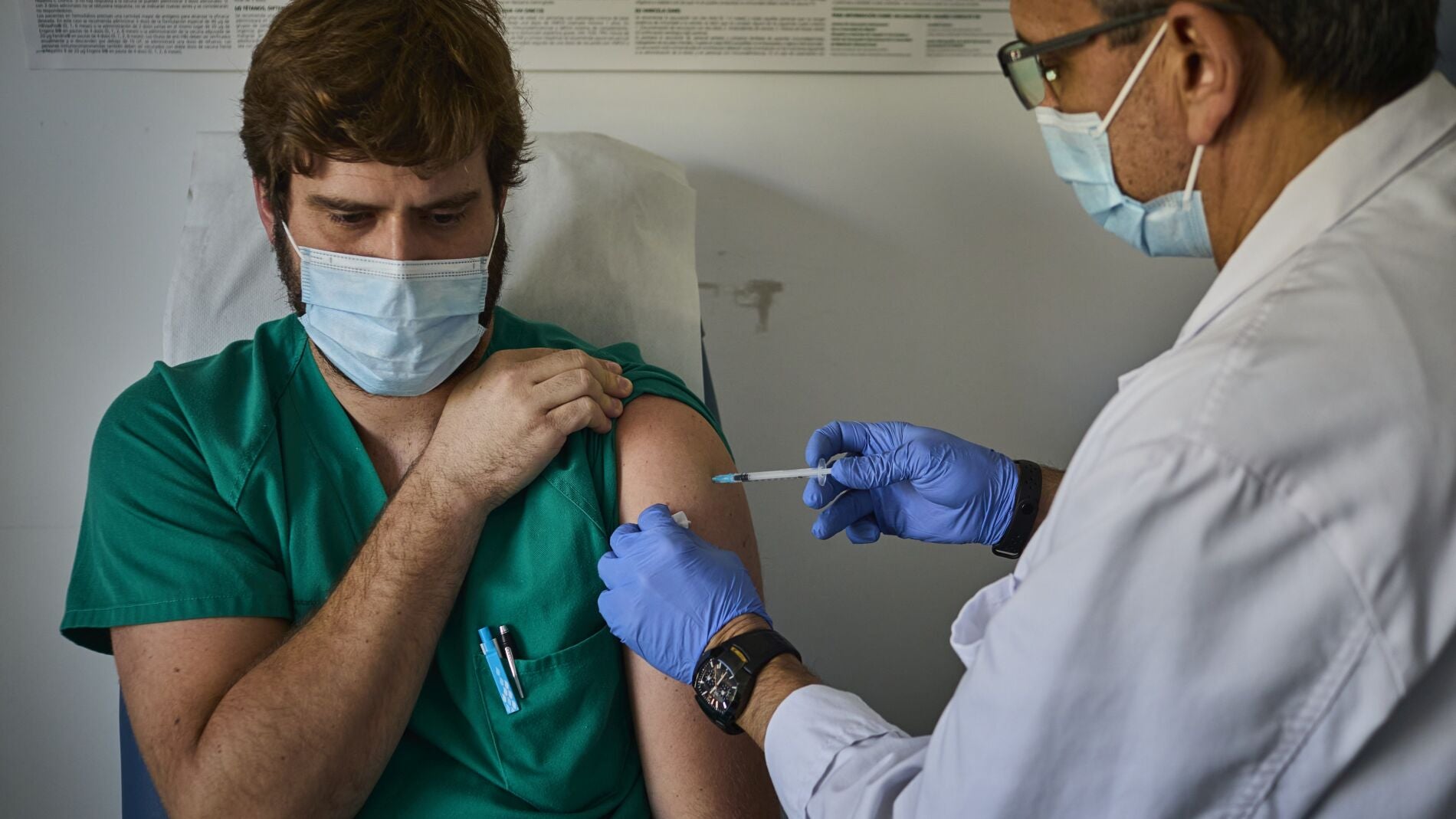
The Canary Islands, an autonomous Spanish archipelago located in the Atlantic Ocean off northwestern Africa, updated the schedule through the regional Directorate General of Public Health. Human papillomavirus, or HPV, is a common viral infection transmitted through sexual contact. While many cases remain asymptomatic, persistent infections can lead to anogenital warts as well as cancers of the cervix, anus, penis, and head and neck.
Dr. Juárez del Dago, director of the GUA medical center specializing in urology and andrology, said the expansion to age 20 was magnificent news for regional health protection. He noted that many young and adult men who missed vaccination at age 12 currently require clearer information on whether the vaccine is suitable for them.
Dr. Juárez del Dago explained that although the vaccine cannot treat existing HPV infections, it prevents new infections from targeted strains to which a patient has not yet been exposed. He emphasized that healthcare providers should evaluate each person individually rather than assuming vaccination is unnecessary once sexual activity has begun.
Surge in sexually transmitted infections
The vaccination expansion coincides with a sharp rise in sexually transmitted infections across the Canary Islands. The latest epidemiological report from the regional health authority, covering 2024 and published in 2026, registered 2,130 cases of chlamydia, 1,461 cases of gonococcal infection, and 929 cases of syphilis.
Compared with 2023 data, chlamydia cases in the archipelago surged by 59.7 per cent, while gonococcal infections rose by 41.1 per cent. Men accounted for the vast majority of these diagnoses in 2024, representing 73.1 per cent of gonococcal cases, 82.2 per cent of syphilis cases, and 83.3 per cent of lymphogranuloma venereum cases.
The health report identified men aged between 25 and 34 as the group most affected by chlamydia, gonorrhea, and syphilis. On the island of Gran Canaria alone, health officials recorded 981 cases of chlamydia, 766 cases of gonorrhea, and 513 cases of syphilis during 2024.
Dr. Juárez del Dago said the epidemiological statistics highlight an urgent need to shift toward proactive healthcare for men. He stated that health services should not wait for symptoms to appear before taking action, arguing that prevention, patient education, and early screening must become standard parts of male medical care.
Specialized prevention program in Gran Canaria
Health experts attribute the growth in infections to multiple factors, including changing sexual habits, varying exposure patterns, inconsistent use of barrier contraception, and healthcare access barriers. Dra. María Fernanda Peraza, an andrologist and male sexual health expert, said men must normalize seeking medical advice before symptoms manifest, comparing the need for regular urological checks to routine gynecological care for women.
In response to the gap in public coverage for adult males, the GUA Urology and Andrology clinic in Gran Canaria has launched a dedicated HPV prevention and vaccination initiative. Operating under the campaign title Entre pitos y flautas, the program uses direct language to encourage men to address their sexual health proactively.
The GUA program integrates four main healthcare components:
- Medical evaluation of vaccination indication based on age, medical history, and individual status.
- Administration of the HPV vaccine when indicated.
- Access to specialized care in urology and andrology for risk situations or suspected infection.
- Continuity of care to facilitate guidance, diagnosis, and follow-up.
Clinic organizers stated that the initiative aims to build an accessible, stigma-free preventive model that could serve as a regional pilot for managing male HPV prevention beyond standard childhood vaccination schedules.


