

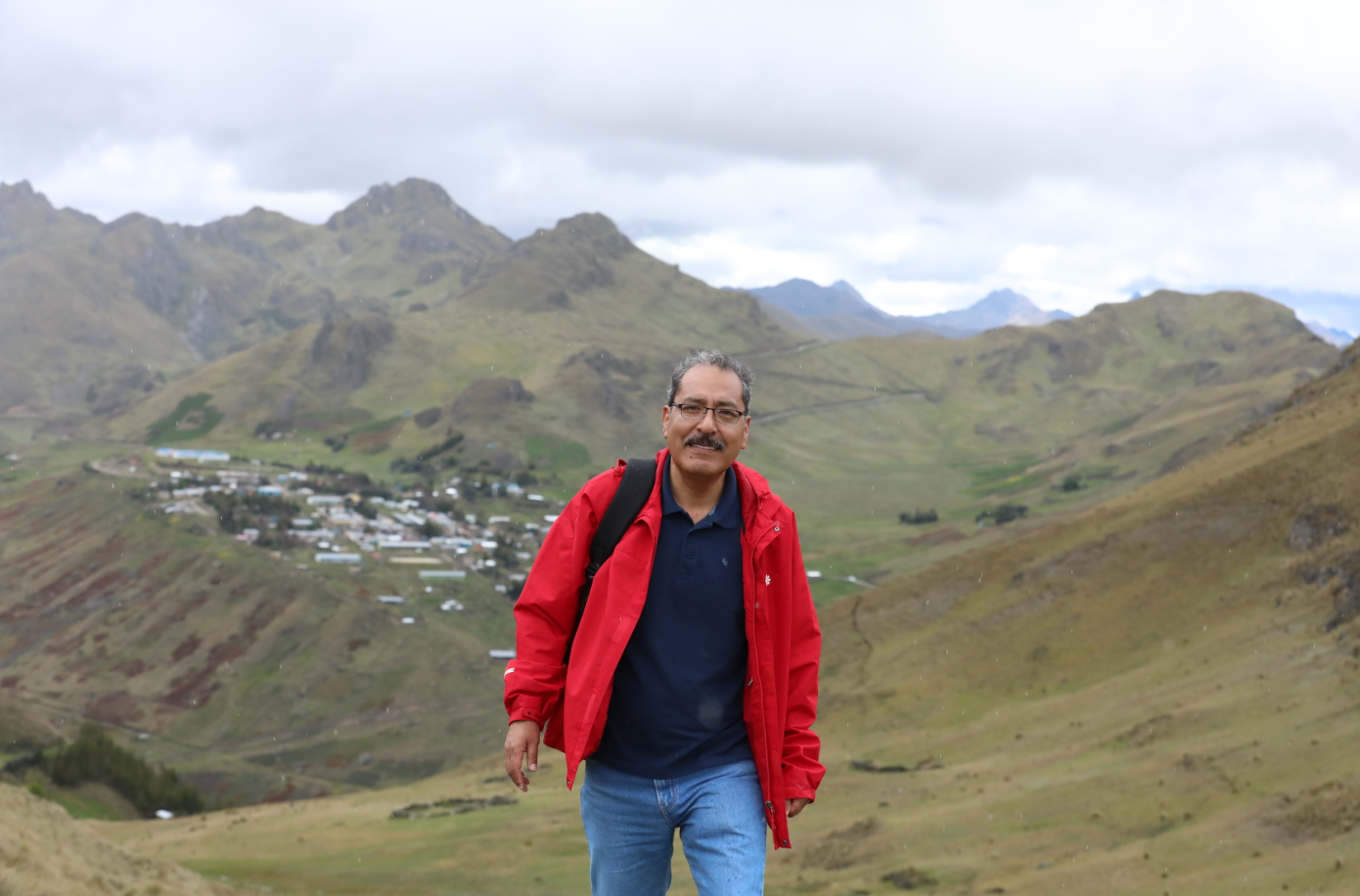
Journalist Carlos Infante has published a new book presenting a hypothesis on the January 26, 1983 Uchuraccay massacre in Ayacucho, Peru, that left ten people dead. Infante spoke with newspaper La República about his work, titled Dame tu cámara carajo. Estrategia militar, paramilitarismo y masacre en Uchuraccay.
The publication was co-issued by ESM Book and the Universidad Nacional de San Cristóbal de Huamanga. It re-examines the deaths of eight journalists, one guide, and one local community member who were traveling to investigate the killing of a group of Shining Path members.
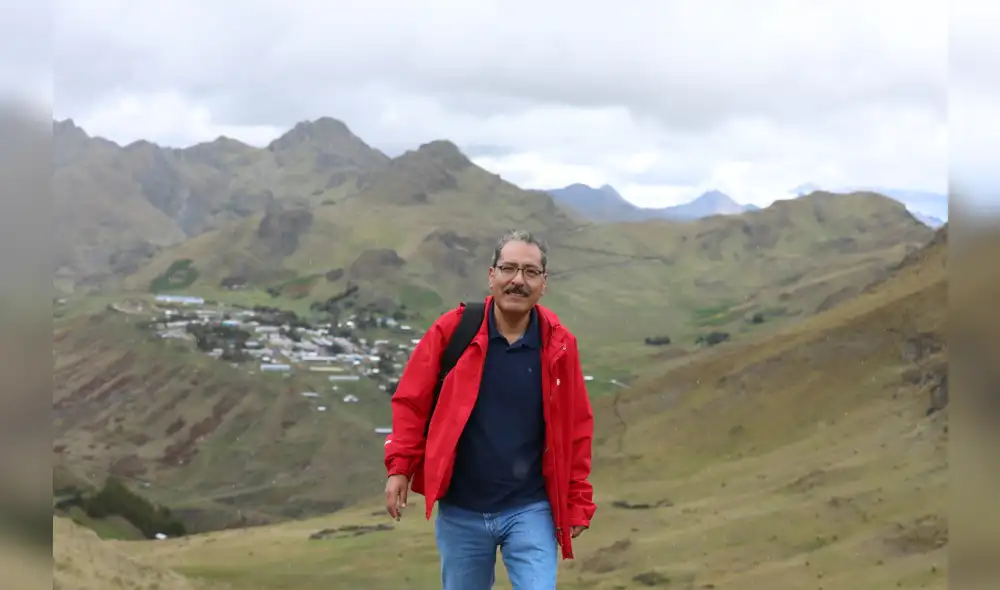
Infante, whose father Octavio Infante was among the murdered journalists, said the emotional weight initially hindered his writing. He explained that his personal connection later provided valuable insight into the physical hardships and extreme tension reporters experienced walking at high altitudes in 1983.
In the book prologue, journalist Blanca Rosales wrote that any potential bias from Infante personal connection is negated by his journalistic rigor. Infante stated his goal is to open public debate surrounding the events.
The Vargas Llosa Commission Findings
An official investigative panel formed in 1983, known as the Vargas Llosa Commission, was chaired by future Nobel Literature laureate and French Academy member Mario Vargas Llosa. The commission concluded that the media workers and their two companions died as a result of a confusion by local villagers.
Infante contended that the commission stemmed from a political decision and produced a report with political bias. He noted that Vargas Llosa held access to privileged information and spoke directly with figures such as General Clemente Noel.
According to Infante, the commission account collapsed three to four months later in May 1983 when photographs surfaced. He stated that those photos disproved the official narrative established by the panel.
Evidence of Paramilitary Operations
Infante compiled dispersed accounts to build a hypothesis that an embryonic paramilitary group operated in the area starting in 1982. He stated that local self-defense committees served as a euphemism for paramilitary organizations.
The author noted that elite police unit Los Sinchis mobilized these groups in certain instances. He identified military manual M41-1, approved in 1966 after guerrilla movements in 1965, as being reintroduced into military strategy in mid-1982.
Infante explained that military leaders sought to reduce conflict costs, such as soldier casualties and lost equipment, by forcing civilians to confront subversives. He added that leadership in the community of Uchuraccay was fully aware that the arriving group consisted of journalists.
Recovery of the Cameras
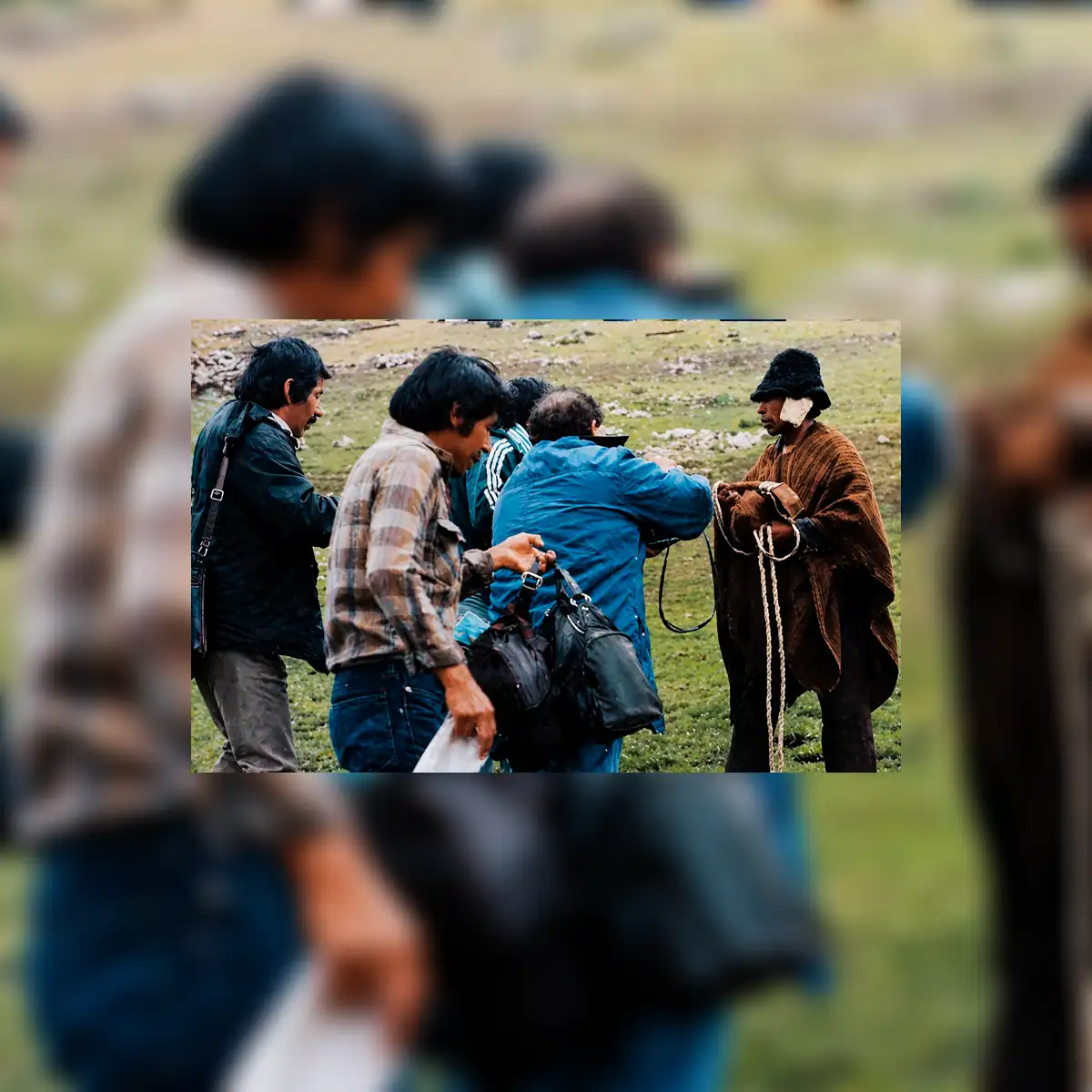
The Peruvian Navy recovered three of the 11 cameras carried by the expedition five months after the killings in May. Infante stated that armed forces attempted to prevent information from being verified, but intelligence services released the equipment after assuming no images remained.
Only one camera contained loaded film, holding nine photographs recorded by journalist Willy Retto before his death. Octavio Infante photographed the group of reporters, including Jorge Sedano, Amador García, Luis Mendívil, Félix Gavilán, Pedro Sánchez, Willy Retto, and Edmundo de la PinIella, prior to the attack.
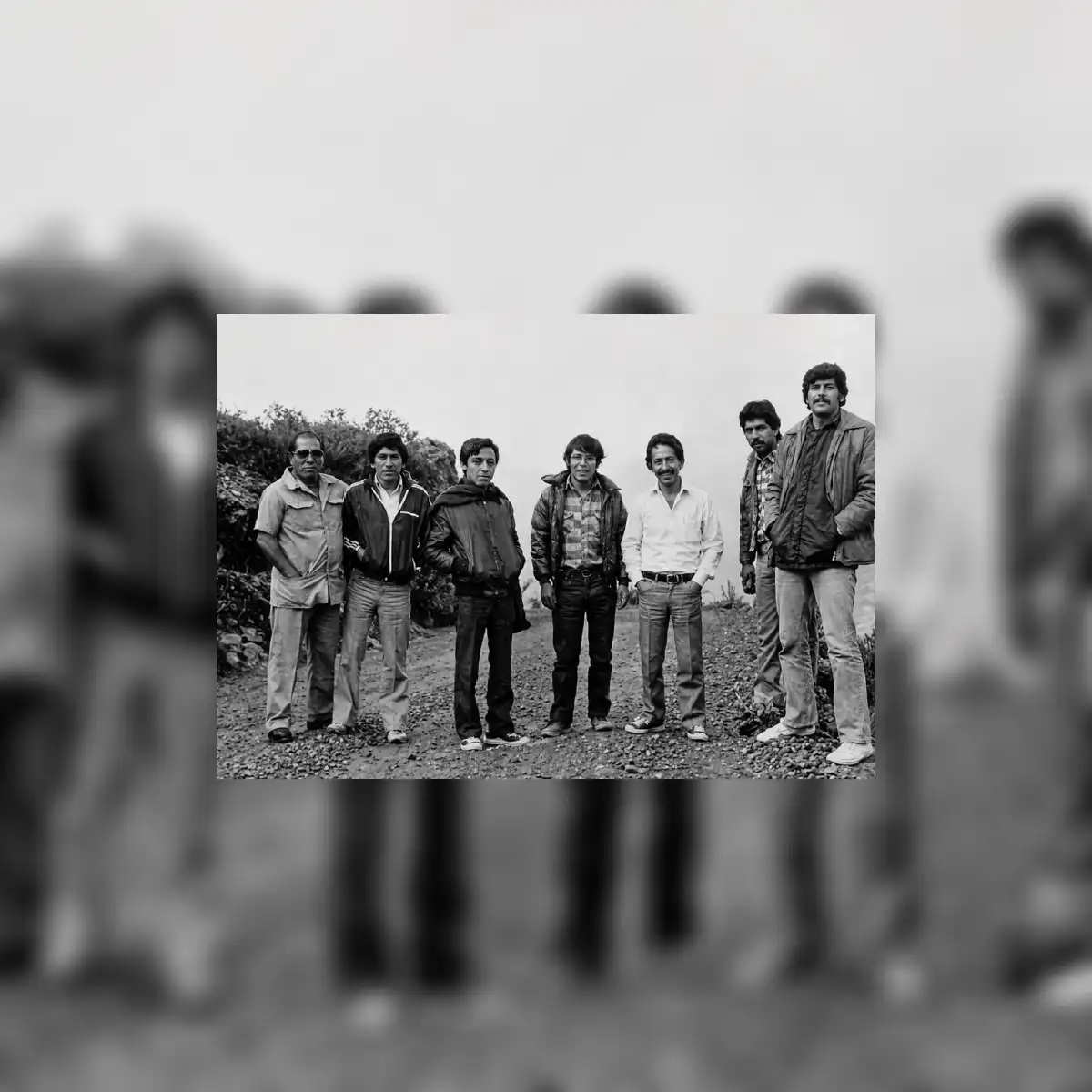
Infante stated that key figures involved avoided accountability, noting that General Noel was later appointed military attaché to the United States. He described the massacre as a terrible blow to the memory of journalists.
Impact on Journalism
The massacre involved severe violence, including axe blows and facial cuts, marking the first collective death of journalists under such circumstances globally. Infante called it the most emblematic tragedy for Peruvian and international journalism.
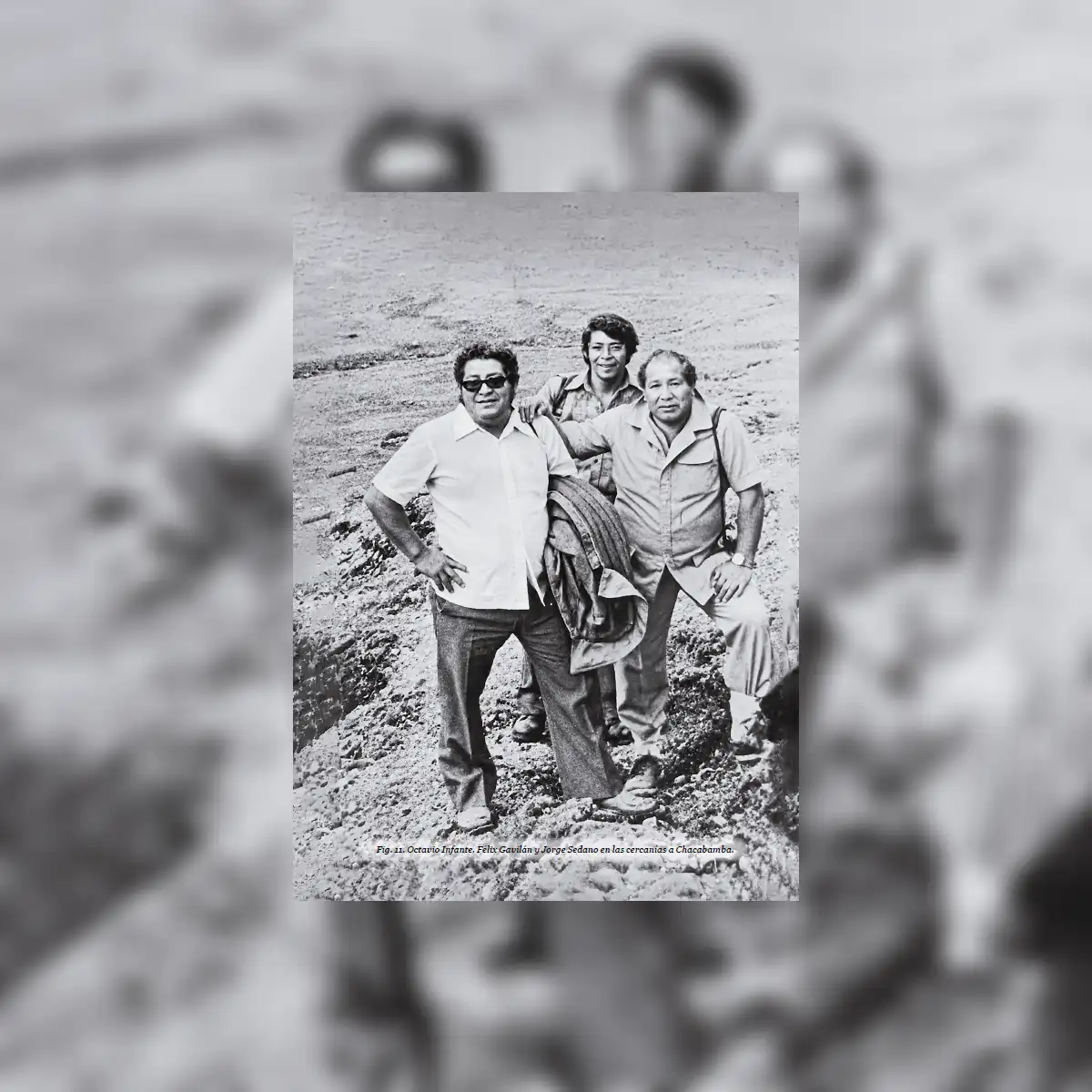
Infante contrasted the dedication of the 1983 reporters with modern journalism practices, which he described as overly pragmatic and focused on city coverage. He stated that his book aims to restore the commitment and dedication that journalists must maintain.


