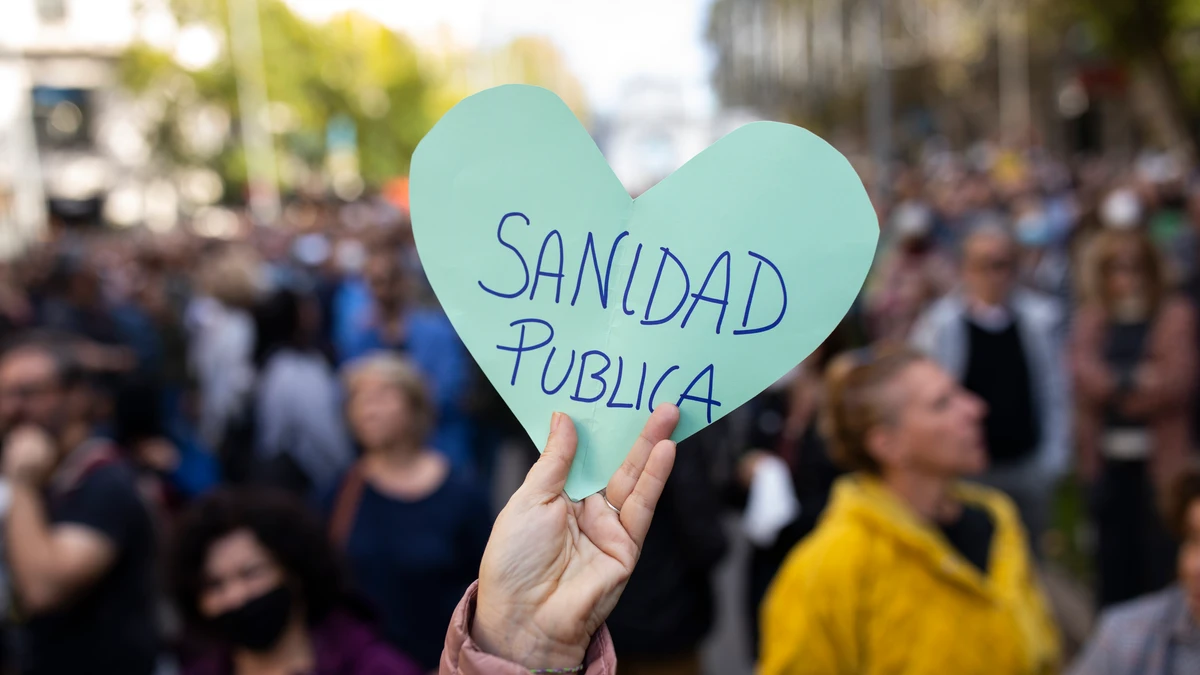
Carmen Montón, Spain's former Minister of Health, Consumer Affairs and Social Welfare, published an opinion column in the newspaper La Razón on November 29, 2026, arguing that the country's public healthcare system has to be actively defended rather than assumed to be permanent.
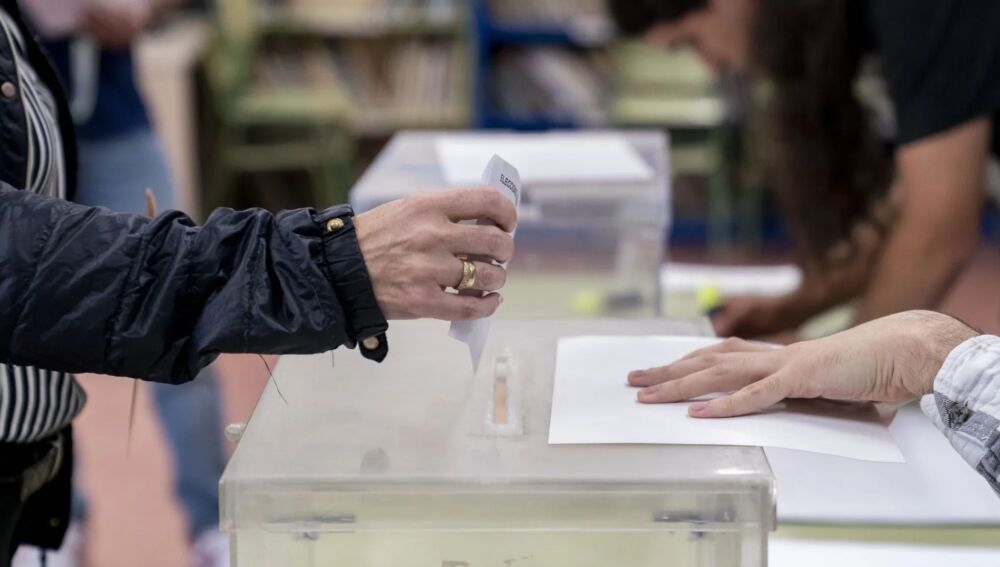
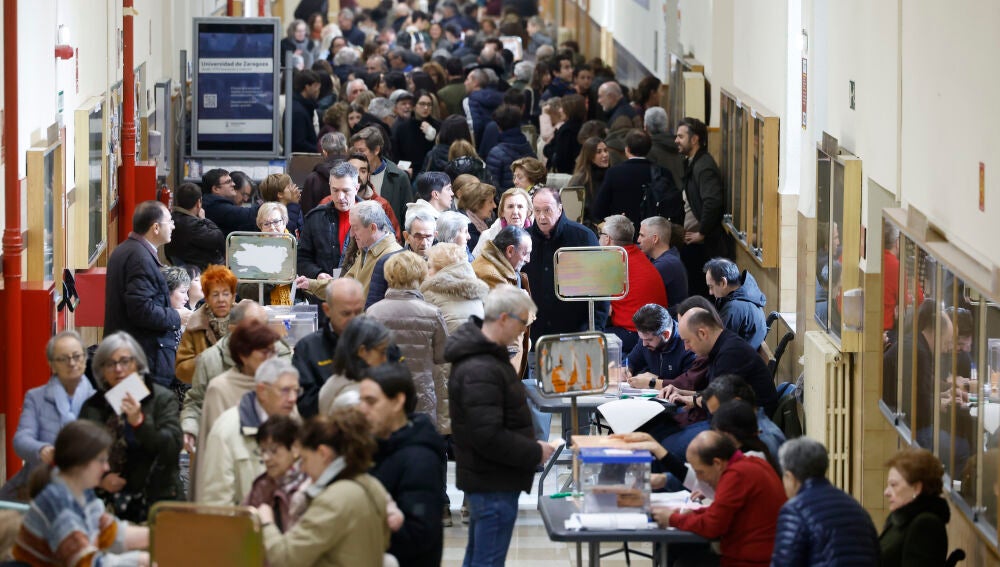
Montón wrote that one of the clearest divides in political debate during election campaigns is over the defence of public institutions such as education, pensions, social services and healthcare. Her column appeared the same day Spain held its general election.

Montón described Spain as one of the few countries with universal public healthcare that is run largely under direct state management, which she said rests on principles of equity and social cohesion. She wrote that the system lets people receive treatment, from organ transplants to care for chronic conditions, cancer and degenerative diseases, without being financially ruined.
What the public system covers
According to Montón, Spain's public healthcare system does not exclude migrants. She wrote that it upholds women's right to decide on their own pregnancies through access to legal abortion, and that it accompanies people at the end of life with dignity through palliative care and the right to euthanasia. Spain's euthanasia law, passed in 2021, made it one of a small number of countries worldwide to permit medically assisted dying for people with serious, incurable conditions, while its abortion law allows termination during the early stages of pregnancy at a woman's request.
She said the system co-finances orthopaedic prosthetics for people with disabilities and helps families cover the cost of glasses or contact lenses for children who need them. Optical and dental care are generally excluded from Spain's public health coverage, which is why advocates often highlight such targeted subsidies as notable extensions of the system. Montón also wrote that it supports transgender people and helps single women and lesbian couples gain access to assisted reproduction, treatment Spain's public system offers without requiring a male partner.
Montón said the public health service gave everything it had during the pandemic. She said people tend to take the system for granted, but argued that its quality does not appear out of nowhere and depends on citizens continuing to defend it. Spain's health system faced significant strain during the Covid-19 pandemic in the early 2020s, when hospitals and intensive care units nationwide saw a sharp rise in patients.
Who is Carmen Montón
Montón is a member of the Spanish Socialist Party (PSOE). Before joining the national government, she served as the regional government of the Valencian Community's minister for health. In 2018 she became Spain's Minister of Health, Consumer Affairs and Social Welfare in the government of Prime Minister Pedro Sánchez. She now writes opinion columns for La Razón.
Spain's public health system
Spain's Sistema Nacional de Salud, or National Health System, provides care that is funded through general taxation and largely free at the point of use for residents. Its universal, publicly run model dates back to the General Health Law of 1986, which replaced a system tied to workers' social security contributions with one guaranteeing coverage to almost the entire population regardless of employment status. Systems funded mainly through general taxation rather than private insurance, often called Beveridge-style models after the British report that inspired the United Kingdom's National Health Service, run management of hospitals and clinics through Spain's regional governments, while the central state sets common standards and coverage guarantees nationwide.
Published on election day
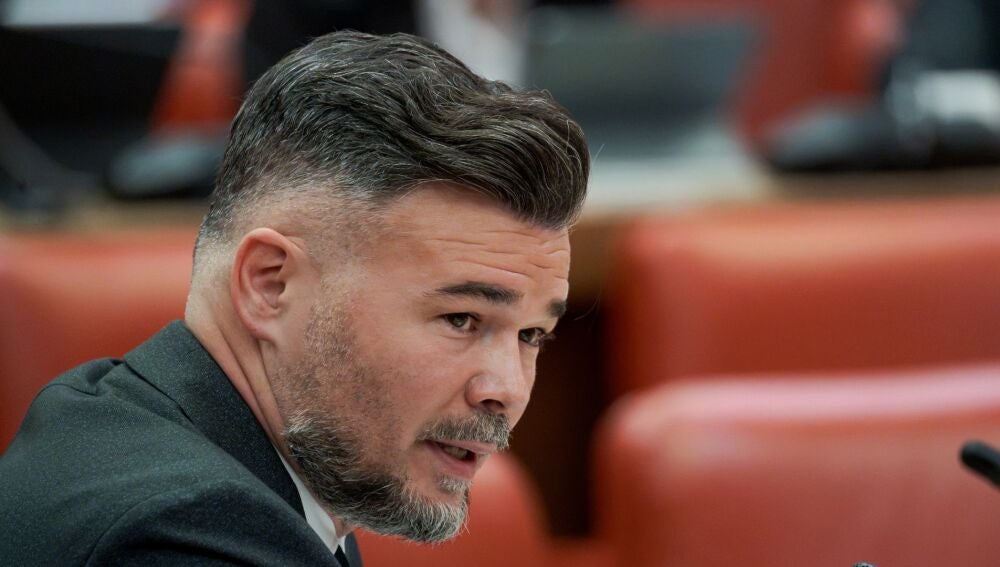
The column ran on La Razón's website alongside the newspaper's live coverage of Spain's November 29 general election, which also included rolling updates on voter turnout and a separate report on the declared wealth of Gabriel Rufián, a lawmaker for the Republican Left of Catalonia (ERC). Rufián has served in Spain's Congress of Deputies since 2015 as a representative of the Catalan pro-independence party.
Test yourself
Who wrote the opinion column defending Spain's public healthcare system?
According to the column, what can patients receive without facing financial ruin?
What did Montón say the public health service did during the pandemic?
Where it happened
Madrid, Spain