Grupo Casas Bahia filed for judicial recovery in Brazil on Monday following severe financial pressure, store closures, and long-standing operational challenges.
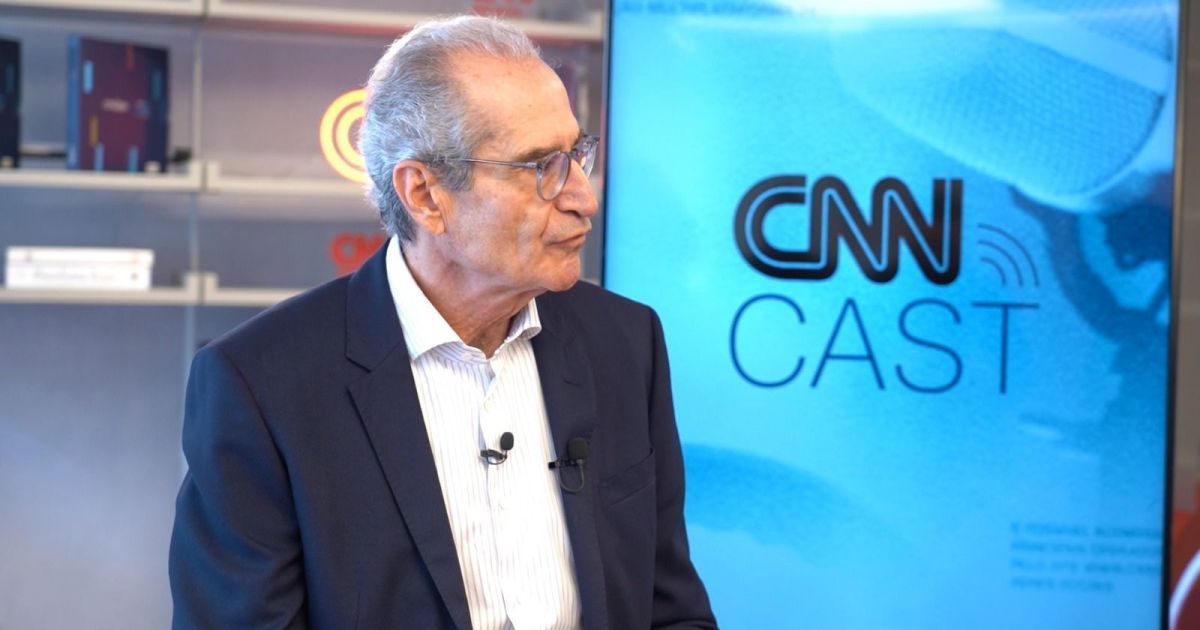
The retail giant requested court-supervised restructuring after high interest rates dealt a final blow to a business already weakened by years of instability, according to an analysis by Lucinda Pinto, an analyst and editor at CNN Money.
Casas Bahia is one of the largest retail chains in Brazil, traditionally specializing in household appliances, furniture, and electronics for low-income consumers. Judicial recovery is a Brazilian legal mechanism similar to Chapter 11 bankruptcy protection, designed to allow distressed companies to reorganize debt while continuing operations.
Low income retail pressure
Pinto explained during a market close broadcast that the retail crisis in Brazil has hit businesses targeting lower-income consumers particularly hard. She said that this demographic segment experiences the most intense rates of default and severe financial strain across the country.
According to Pinto, lower-income consumers depend heavily on financing to buy goods, which creates a difficult dilemma for retailers. Restricting access to credit directly reduces sales, but lending money improperly leads to widespread default.
The pressure on Casas Bahia reflects broader economic distress in the country, where corporate default has affected more than 9.1 million companies, reaching record levels.
Decade of operational struggles
Pinto traced the retailer's current troubles back to 2009, when Casas Bahia merged with Ponto Frio, owned by retail group GPA. She noted that the company faced severe difficulty combining its operations after the merger.
By 2015, the company was closing stores and reporting weak financial performance. Competition intensified further after Amazon entered Brazil in 2012 and Mercado Livre expanded its presence. In 2019, Casas Bahia attempted to shift from its traditional popular profile to target higher-income online shoppers in an effort to compete in e-commerce.
Pinto said that temporary interest rate reductions during the pandemic temporarily masked the company's challenging situation. However, subsequent rate hikes brought those issues back with force. In 2023, the retailer launched a restructuring process that restored the Casas Bahia name and refocused on its core model of consumer electronics, white goods, and installment payment slips while abandoning less profitable product lines.
Interest rates and credit shortage
Despite restructuring efforts, macroeconomic conditions prevented a recovery. Pinto highlighted a critical vulnerability in retail financing, stating that companies must pay their debts to suppliers before receiving installment payments from customers, creating a fatal timing mismatch.
With double-digit interest rates expected through 2028 under the Central Bank's Focus survey, raising capital became virtually impossible. In the previous year, investment firm Mapa Capital became an indirect shareholder and executed a debt-for-equity swap that reduced Casas Bahia's liabilities by 1.6 billion reais, but the company remained unable to secure enough fresh credit.
Pinto concluded that Casas Bahia ultimately required new funding that it could not obtain, calling the company's situation emblematic of the high debt, intense competition, and severe liquidity constraints facing Brazilian retailers. Elsewhere in the corporate sector, credit agency Fitch downgraded Braskem due to unpaid interest, while Ministry of Finance Executive Secretary Durigan noted that addressing high interest rates requires fiscal action.