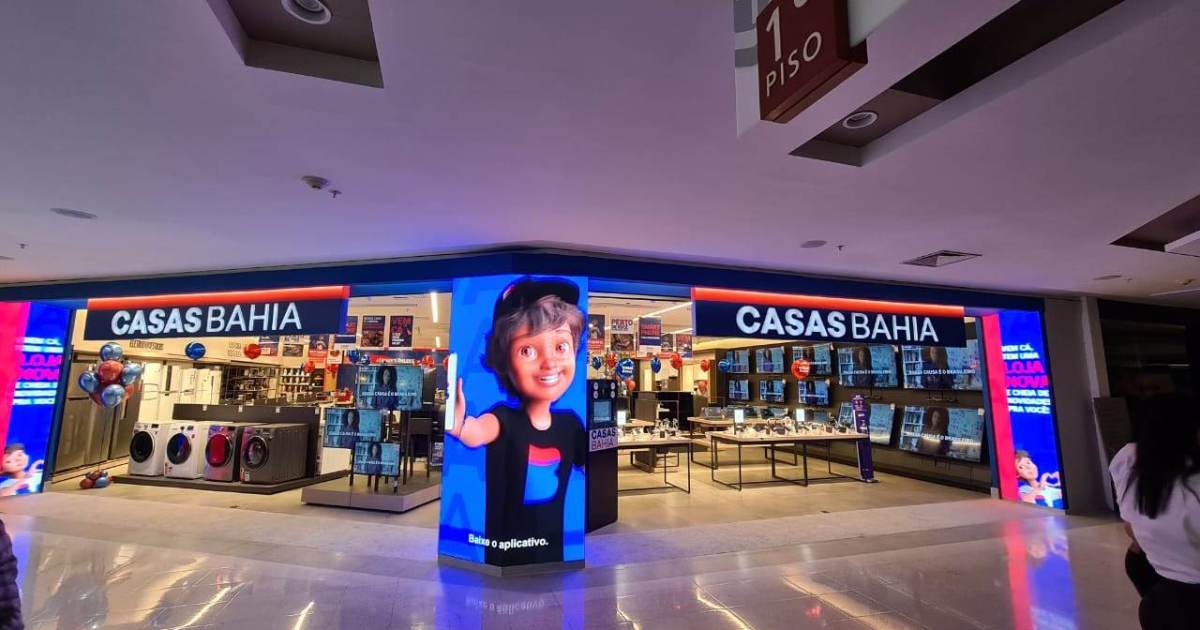
Brazilian retail chain Casas Bahia filed for judicial recovery protection on Sunday night after facing worsening financial conditions, high interest rates and mounting debt.
The company announced the decision in a material fact statement on Aug. 16, pointing to a difficult macroeconomic environment and tightening credit conditions across the retail sector.
In the week leading up to the debt restructuring request, Casas Bahia closed nearly 300 stores and dismissed about 2,000 employees as part of an effort to cut operating expenses.
Casas Bahia is one of the largest department store and home appliance retailers in Brazil. Judicial recovery is a legal mechanism under Brazilian law that allows financially distressed corporations to reorganize their debts while continuing daily operations.
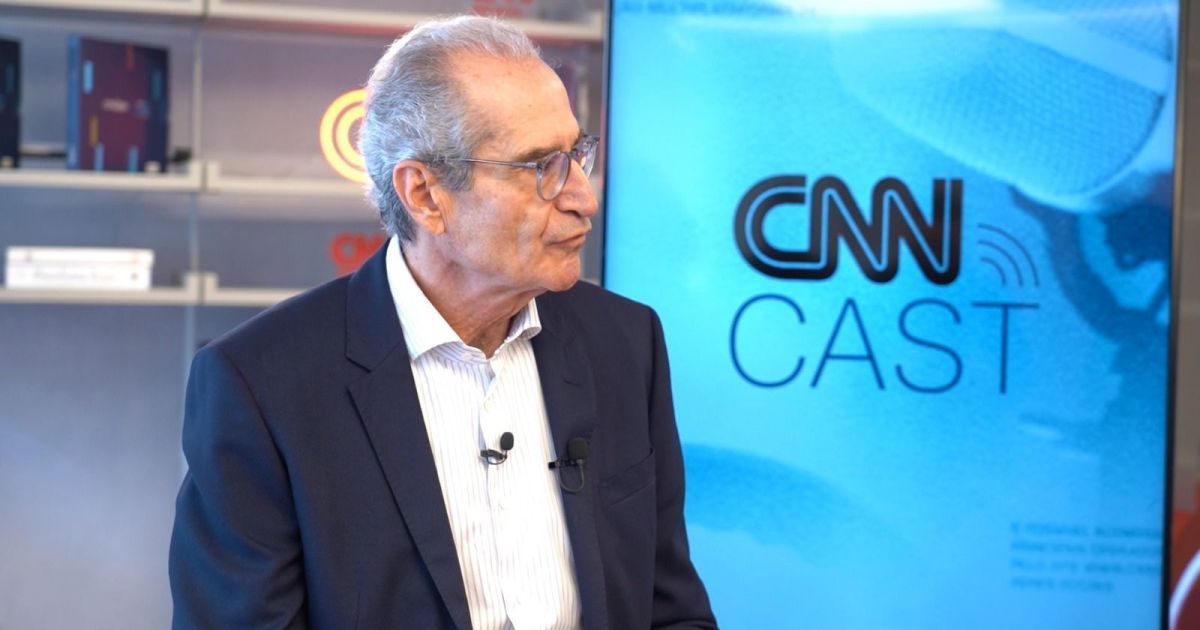
Ana Paula Tozzi, the chief executive officer of retail consulting firm AGR Consultores, said macroeconomic pressures affect all retail competitors, but Casas Bahia suffers from a central structural problem.
Tozzi explained that the specific issue with Casas Bahia is that its business model moved away from those of its primary competitors. She noted that the retailer remained excessively anchored to physical stores, failed to grow sufficiently across digital channels and did not innovate enough.
Structural challenges and past restructuring
The retailer previously entered an extrajudicial recovery process in April 2024 involving 4.1 billion reais in debt. However, Tozzi observed that little transformation of the company's core business model occurred between that restructuring and the current court filing.
She acknowledged that the company implemented cost-reduction measures and introduced logistics changes. Even so, she stressed that the aggressive operational changes required to put the business model back on track were never executed.
Tozzi highlighted that by April 2025, news surrounding the company was dominated by internal disputes within its board of directors and ongoing discussions about converting corporate debentures into equity shares.
Regarding the recent store closures and layoffs, Tozzi emphasized that while these steps were necessary, shutting down locations and reducing staff will not be enough to resolve the crisis. She said the business must secure sufficient financial room to invest directly in transforming its business model.
She added that the dismissals executed prior to filing for judicial recovery generate labor liabilities that can be paid in installments under court protection, which may have been a strategic move to structure the company's payment schedule.
Working capital and consumer credit challenges
Tozzi also pointed to severe inventory and working capital management challenges facing the retailer. While the Brazilian consumer electronics retail sector typically operates with 90 days of inventory, Casas Bahia has been working with only 75 days.
She explained that this reduced inventory level makes merchandise turnover and cash generation difficult. Retailers need constant inventory turnover to produce free working capital that enables ongoing investment and business growth.
Furthermore, Tozzi addressed a trend across the broader retail sector involving a return to direct consumer credit through in-house financing programs known as crediarios.
While in-house financing might seem like a solution, Tozzi warned that it carries higher interest rates than standard financial institutions charge. She noted that these elevated rates penalize lower-income consumers the most.
Tozzi concluded that retailers adopting this practice move away from their core retail model and effectively turn into financial institutions, adding that credit assessment and lending are the responsibilities of the banking sector rather than retail companies.