

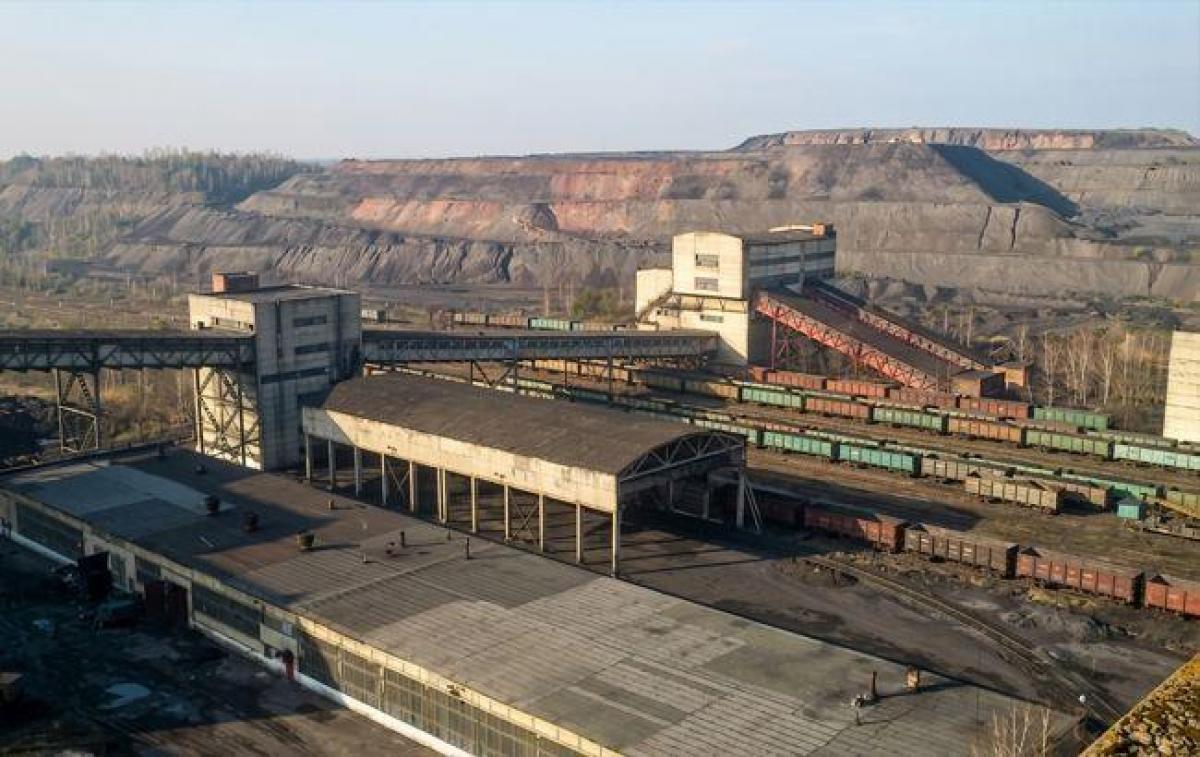
The Chervonohrad Central Coal Processing Plant has been idle for eight months, turning what began as a local business dispute into a risk for Ukraine's winter preparations, according to a report by RBC.
RBC said the plant is a key link between state-owned mines in the Lviv-Volyn coal basin and thermal power stations, since raw coal must be cleaned and upgraded before it can be burned. RBC said the shutdown of this one facility halts the entire chain, leaving mines with nowhere to send coal and power plants with nothing to burn.
Debts and legal delays
The plant has not operated since January 2026, RBC reported. Wage debts have piled up, workers are quitting, and production facilities are deteriorating. A financial rehabilitation process has dragged on for more than seven and a half years without an approved plan, and a July 21 court hearing on appointing a rehabilitation manager was postponed to August 12.
Safety and supply risks
RBC said the consequences already extend beyond the plant itself, citing structural collapses, coal fires in bunkers, air pollution and added risks for residents of Sosnivka. RBC said each week of delay means coal that will physically be unavailable at the peak of winter, since December and January stockpiles are being built now. RBC said the situation is a test for the new government to secure independent management, restart operations before the heating season, repay worker debts and address environmental hazards, adding that private disputes should not endanger the country's energy security.
Lawmaker Mykhailo Bondar has said coal from Lviv-Volyn basin mines must be processed before use at thermal power stations, and that when the plant is idle, mines struggle to sell their coal and become more dependent on state support.


