

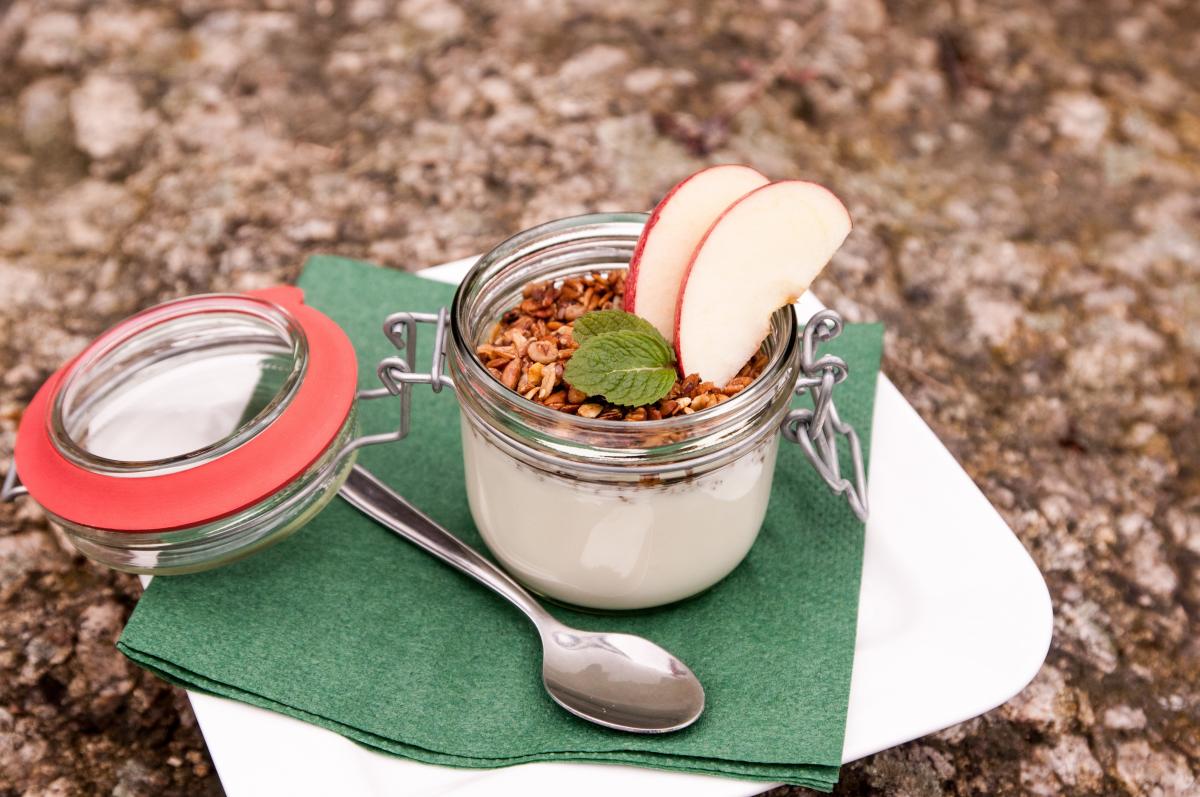
Registered dietitian Lindsey DeSoto has recommended a bowl of Greek yogurt topped with berries, walnuts, and chia seeds as the optimal breakfast for sustained daily energy. Writing in the health publication Health, DeSoto explained that many people experience hunger or fatigue just one hour after eating due to poor breakfast choices. She noted that her recommended meal takes only a few minutes to prepare, requires no cooking, and delivers the three core nutrients needed for lasting morning stamina.
The recommended dish combines Greek yogurt for protein, berries for fiber-rich carbohydrates, and walnuts alongside chia seeds to supply healthy fats and extra fiber. According to DeSoto, balancing these three nutrients helps stabilize blood sugar levels, maintains fullness for longer periods, and prevents the sudden energy crashes often triggered by refined carbohydrates.
Greek yogurt is a strained dairy product created by removing liquid whey, resulting in a thicker texture and higher protein concentration than traditional yogurt. Data from the United States Department of Agriculture indicates that a 200-gram serving of plain Greek yogurt contains approximately 20 grams of protein, significantly surpassing the protein level found in an equivalent portion of regular yogurt.
A study published in the scientific journal Applied Physiology, Nutrition, and Metabolism also found that Greek yogurt creates a greater feeling of satiety than other dairy products, specifically when compared to skimmed milk and whole milk. This higher satiating effect makes Greek yogurt an effective foundation for a morning meal designed to prevent early fatigue.
Protein requirements and alternative options
DeSoto advised that a nutritious morning meal should contain between 15 and 30 grams of protein. Protein aids satiety more effectively than carbohydrates or fats while providing essential amino acids, which organic compounds serve as the fundamental building blocks necessary to build and maintain muscle tissue. Research published in the Journal of Obesity & Metabolic Syndrome highlighted the critical role of dietary protein in supporting muscle maintenance and metabolic health.
For individuals seeking alternatives to Greek yogurt, DeSoto listed several other protein-dense foods suitable for breakfast. These options include eggs, cottage cheese, tofu, cow milk, and soy milk, all of which contain sufficient protein levels to meet morning nutritional targets.
Role of fiber and healthy fats
Sustained energy throughout the morning also relies on consuming fiber-rich carbohydrates, according to the dietitian. While the human body requires carbohydrates for energy, DeSoto emphasized that the specific type of carbohydrate chosen determines how effectively that energy is sustained. Fiber-rich options such as oats, fresh fruit, and whole grains are digested slowly by the body, helping maintain steady blood sugar levels.
DeSoto recommended consuming at least 5 grams of fiber during breakfast to maintain stable stamina and avoid energy dips. Ideal fiber sources listed in her guide include oats, whole-grain bread, berries, apples, pears, chia seeds, and flaxseed.
Healthy fats represent the third key component of DeSoto's recommended breakfast framework. Unsaturated fats supply the body with energy, assist in the absorption of fat-soluble vitamins A, D, E, and K, and increase the overall fullness of a meal. Foods rich in unsaturated fats, such as nuts, seeds, olives, avocados, and olive oil, also support heart health and help reduce inflammation in the body.
Customization and anti-inflammatory alternatives
To adapt the Greek yogurt meal to individual preferences, DeSoto suggested adding any preferred combination of fruits and nuts, as well as ground flaxseed or oatmeal to boost total fiber content. When purchasing Greek yogurt at the store, she recommended selecting plain varieties or options with low sugar content. For consumers who prefer a sweeter taste, she suggested mixing in fresh fruit or adding a pinch of cinnamon rather than buying pre-sweetened products.
Previous reporting has also highlighted alternative breakfast combinations designed for specific health goals, such as combating chronic inflammation. Health experts noted that avocado toast prepared on whole-grain bread and topped with fresh tomato and an egg offers a balanced anti-inflammatory option. That dish combines whole grains, protein, healthy fats, and vegetables, with each ingredient contributing to the reduction of bodily inflammation.


