

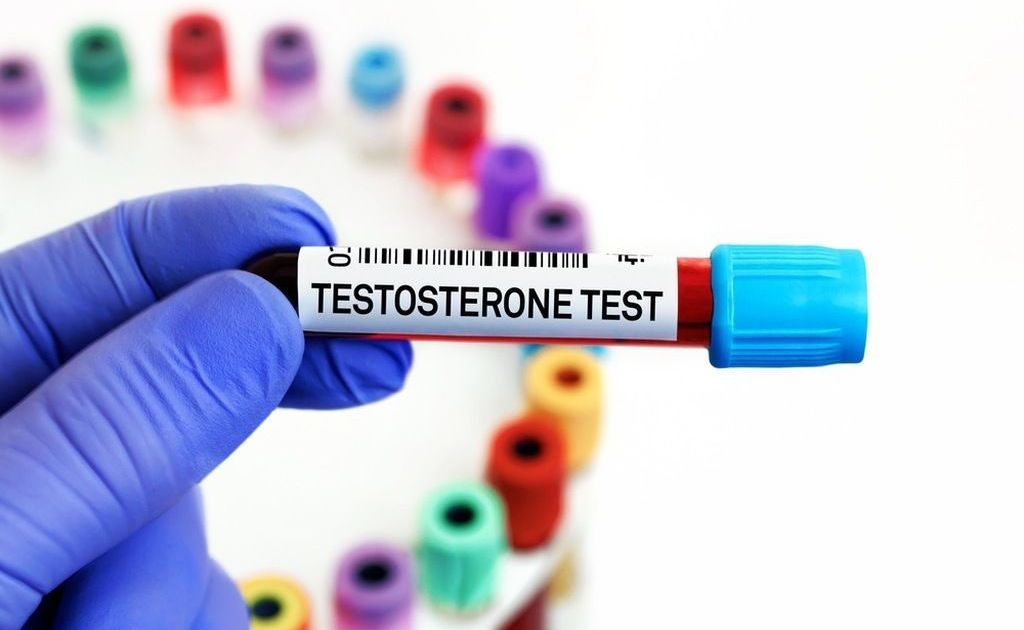
Brazil's National Health Surveillance Agency, known as Anvisa, has warned that testosterone replacement is not a universal necessity for women, pushing back against a growing trend on social media that presents the hormone as a way to boost libido, energy and muscle mass, and even reverse aging.
In August, Anvisa flagged the spread of false information about testosterone use and stressed that hormone replacement should be based on a woman's individual clinical picture, symptoms, test results, health history and scientific evidence, not on blanket claims.
Dr. Patricia Menegusso, a physician specializing in women's health, the climacteric and menopause, said the trend deserved attention precisely because testosterone has been marketed online as a kind of youth hormone.
She said testosterone should not be treated as a hormone that every woman needs to replace after turning 40, adding that this idea oversimplifies a medical issue that is far more complex.
Symptoms Often Misattributed
According to Menegusso, much of the confusion stems from common symptoms of the climacteric, the transitional period leading up to menopause, such as reduced libido, changes in body composition, fatigue and shifts in overall well-being, which are often automatically blamed on falling testosterone levels.
She said a woman might come into a consultation saying she feels tired and has lost interest in sex, and assume this means she needs testosterone, but that these symptoms can have many different causes. Poor sleep, hormonal changes, emotional issues, medications, relationship dynamics and other health conditions also need to be considered, she said.
Promises of Rejuvenation
The debate has intensified alongside content linking testosterone to a more defined body, weight loss, higher energy and a younger appearance.
Anvisa warned that generic promises of more energy, rejuvenation or aesthetic benefits should be treated with caution. It said using testosterone without a clinical indication can be linked to adverse effects, including acne, hair loss, liver changes, altered cholesterol levels and other risks.
Menegusso said the biggest problem is not the hormone itself but the way an individual medical decision has been turned into an internet trend.
Does Low Libido Mean Low Testosterone?
Menegusso said female libido is shaped by multiple factors and cannot be reduced to a single hormonal marker. She said that when a patient reports a drop in libido, the first question should not be about her testosterone levels. Instead, she said doctors need to understand the wider context, including sleep quality, the state of the patient's relationship, whether she experiences pain during sex, her mood, any recent change in medication, and how she is experiencing the climacteric overall.
She said individual evaluation matters even more because menopause does not only affect menstrual cycles. The hormonal transition can also be linked to changes in sleep, mood, sexuality, body composition and quality of life.
When Can the Hormone Be Used?
Menegusso said the warning against indiscriminate use does not mean no hormone can ever be used by women. Rather, she said, any treatment requires a clear indication, monitoring and an individualized assessment.
Anvisa reiterated that testosterone is a regulated medicine with specific therapeutic indications, and that its use should only occur where there is a clear clinical indication.
The discussion comes as menopause has taken up growing space in Brazilian news coverage. In 2026, the press has covered topics ranging from new treatments for hot flashes to the links between menopause, cardiovascular health, medical tests and symptoms that many women are still unaware of.
Menegusso said this rise in attention is positive, but needs to be matched with quality information.


