

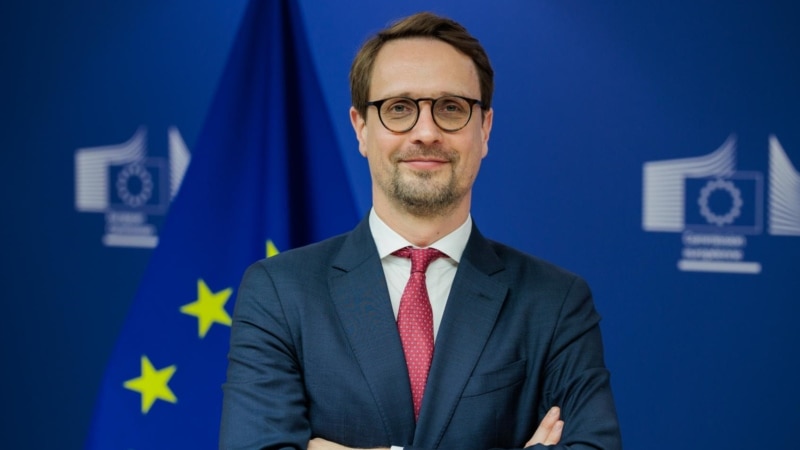
The European Commission is preparing updated operational guidelines for European Union member states to clarify temporary protection rules after reports that some countries asked Ukrainian women for military registration details.
European Commission spokesman for migration Markus Lammert announced the upcoming guidance at a press briefing in Brussels on August 20, according to Radio Free Europe. The executive body plans to present the updated operational recommendations to member states within the next few weeks.

Lammert said the updated EU decision on extending temporary protection, which came into force on July 30, 2026, applies to everyone regardless of gender. He noted that the EU Council decision makes no distinction between men and women in an application, explaining that the text refers generally to military service or former military service.
The announcement follows requests from the Ministry of Foreign Affairs of Ukraine asking the European Union to standardize application practices across member states as quickly as possible. Ukrainian officials received complaints from citizens after border authorities and immigration offices in certain EU countries asked women to show records from Ukraine's Reserve+ mobile application during temporary protection registration.

National implementations and border documentation
Ukrainian foreign ministry officials stated on August 15 that individual national authorities have been executing new rules according to their own internal instructions because the European Union had not yet issued centralized practical guidance.
The ministry emphasized that known instances were not widespread and primarily affected applicants who could not prove they had left Ukraine legally. Authorities explained that individuals who can confirm legal departure, such as with a State Border Guard Service exit stamp in their passport, should not need to produce Reserve+ records, though isolated cases may occur until unified procedures are established.
The EU Council decision on temporary protection for Ukrainian citizens was published in the Official Journal of the European Union on August 4 and entered into force on August 5. Under the provisions of the document, temporary protection will be denied to individuals who fail to confirm the fulfillment of their military duty in Ukraine, effectively cutting off draft evaders across the European Union.
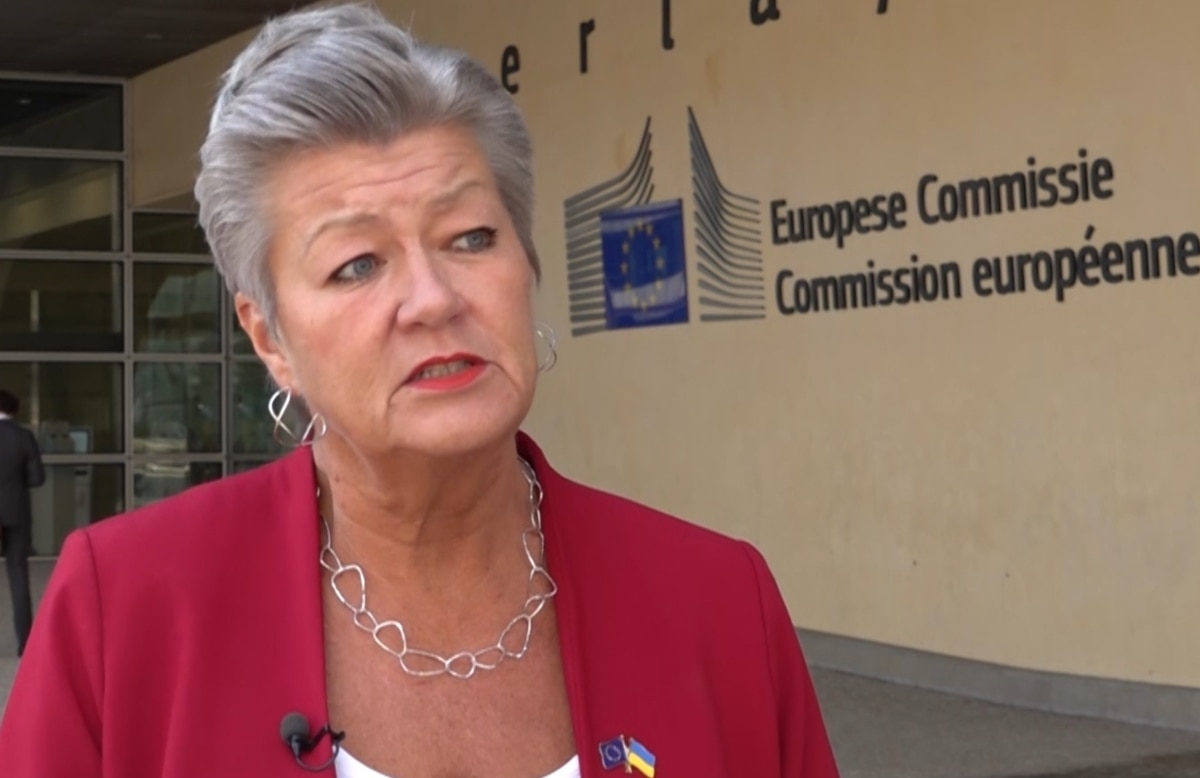
Extension of temporary protection to 2028
Member states agreed on July 15 to extend temporary protection status for Ukrainian refugees until March 4, 2028. However, EU leaders decided that ongoing protection will only be granted to those who have met their military obligations, a restriction that applies strictly to new applicants rather than existing protection holders.
The Czech Republic has already stopped granting temporary protection to Ukrainians subject to military service. Leadership in Germany, Poland, and the Czech Republic, the three primary host nations receiving displaced Ukrainians, all supported enforcing restrictions on individuals liable for military duty.
More than 4 million displaced people from Ukraine have received temporary protection across the European Union since March 2022. The EU temporary protection scheme was first activated following the start of Russia's full-scale invasion of Ukraine, granting displaced Ukrainians immediate residency rights, access to work, housing, medical assistance, and education across member states.
Ukraine launched the Reserve+ mobile application as a digital system for citizens to update their military registration data and verify their status with defense authorities.


